Skip to content
    VIVO Expeditions
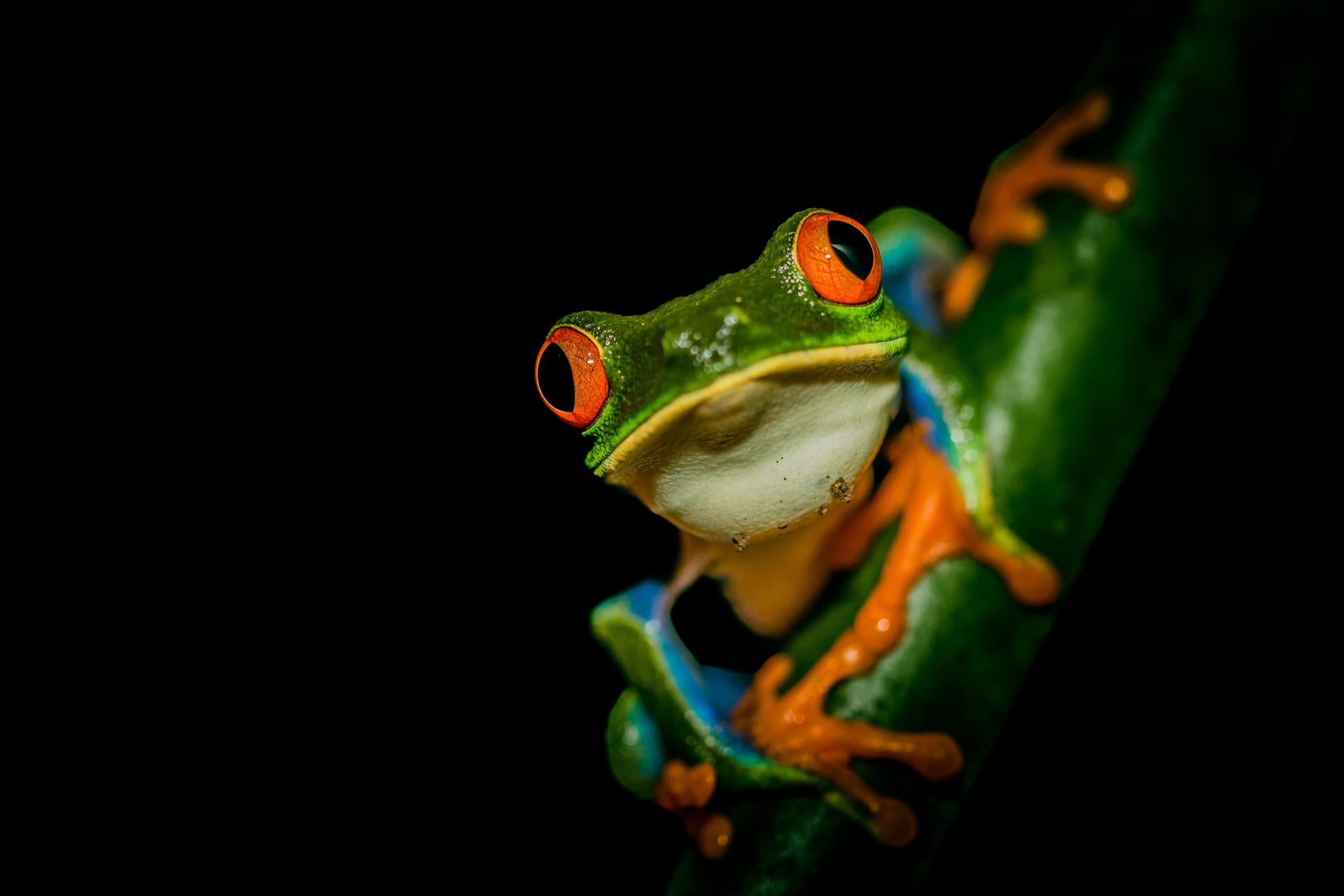
    Red-eyed tree frog photographed at night in Arenal, Costa Rica by wildlife photographer Elias Peña

    wildlife

    7 Things I Wish More Visitors Knew About Wildlife in Arenal

    The volcano is the image most people carry home from Arenal, but wildlife is often the part they talk about longest. I have spent years walking these forests as a naturalist guide and wildlife photographer. The most rewarding days are rarely the ones with the longest checklist. They are the days when you arrive at the right hour, move slowly, listen, and give the forest time to reveal itself.

    • 2026-09-19

    Photo: Elías Peña / VIVO Expeditions

    Written by Elías Peña

    Naturalist Guide · Wildlife Photographer · Founder, VIVO ExpeditionsLa Fortuna, Costa Rica

    An earlier version of these field notes sparked a discussion among Costa Rica travelers on Reddit and was seen by 177,000+ readers. View the Reddit discussion

    1. Arenal wildlife is more than the volcano

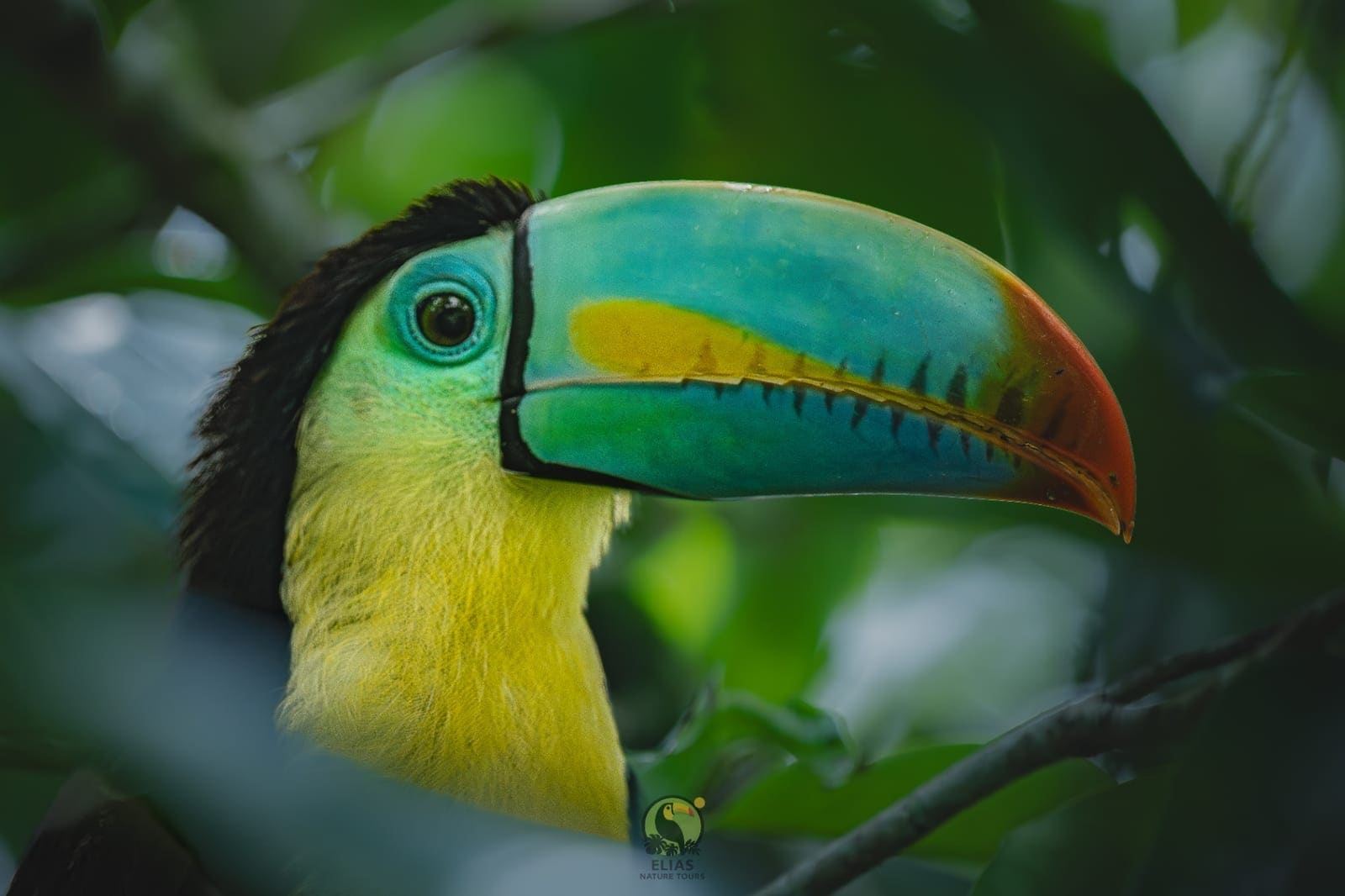
    Arenal Volcano deserves its postcard reputation. On a clear morning, the cone rising above the forest is still one of my favorite views in Costa Rica. But the volcano is only the backdrop. The living story is in the canopy, along the forest edge, beside streams, and sometimes in a roadside tree you would pass without noticing. Around La Fortuna, visitors may encounter sloths folded into cecropia branches, toucans crossing an opening, poison dart frogs moving through wet leaf litter, coatis searching near the trail, and—occasionally—an eyelash viper resting almost invisibly among leaves. Those examples describe animals that live here, not a promise that every walk will produce each one. Weather, fruiting trees, noise, habitat, and simple luck all influence a day. That uncertainty is not a weakness of wildlife travel; it is what makes a real encounter meaningful. I would rather help someone understand one sloth’s camouflage or watch a toucan feeding naturally than hurry past ten species just to complete a list. Arenal rewards attention more than speed.
    Explore the Arenal & La Fortuna guide

    2. Best time of day for wildlife around La Fortuna

    If wildlife is a priority, I generally protect the first hours of daylight. Roughly 5:30–8:00 in the morning is often much more productive than midday. The air is cooler, many birds are calling or feeding, mammals may still be moving, and the trails are quieter. Light through the forest is also softer, which helps both observation and photography. By around 10 a.m., activity often settles. The day gets warmer, birds become less vocal, some animals retreat into shade, and popular trails receive more visitors. This does not mean the forest becomes empty or that nothing can be seen later. A sloth may remain visible all day, frogs can appear after rain, and changing conditions can create surprises. It simply means the odds of hearing and noticing active wildlife are usually better early. There is also value in the late afternoon, especially near forest edges and wetlands. If an early start is impossible, I would choose a focused late-afternoon walk rather than assume noon offers the same experience. In the green season, cloud cover and rain can shift these patterns, so local conditions matter more than a rigid clock.
    See Arenal wildlife habitats

    3. Why the forest changes after dark

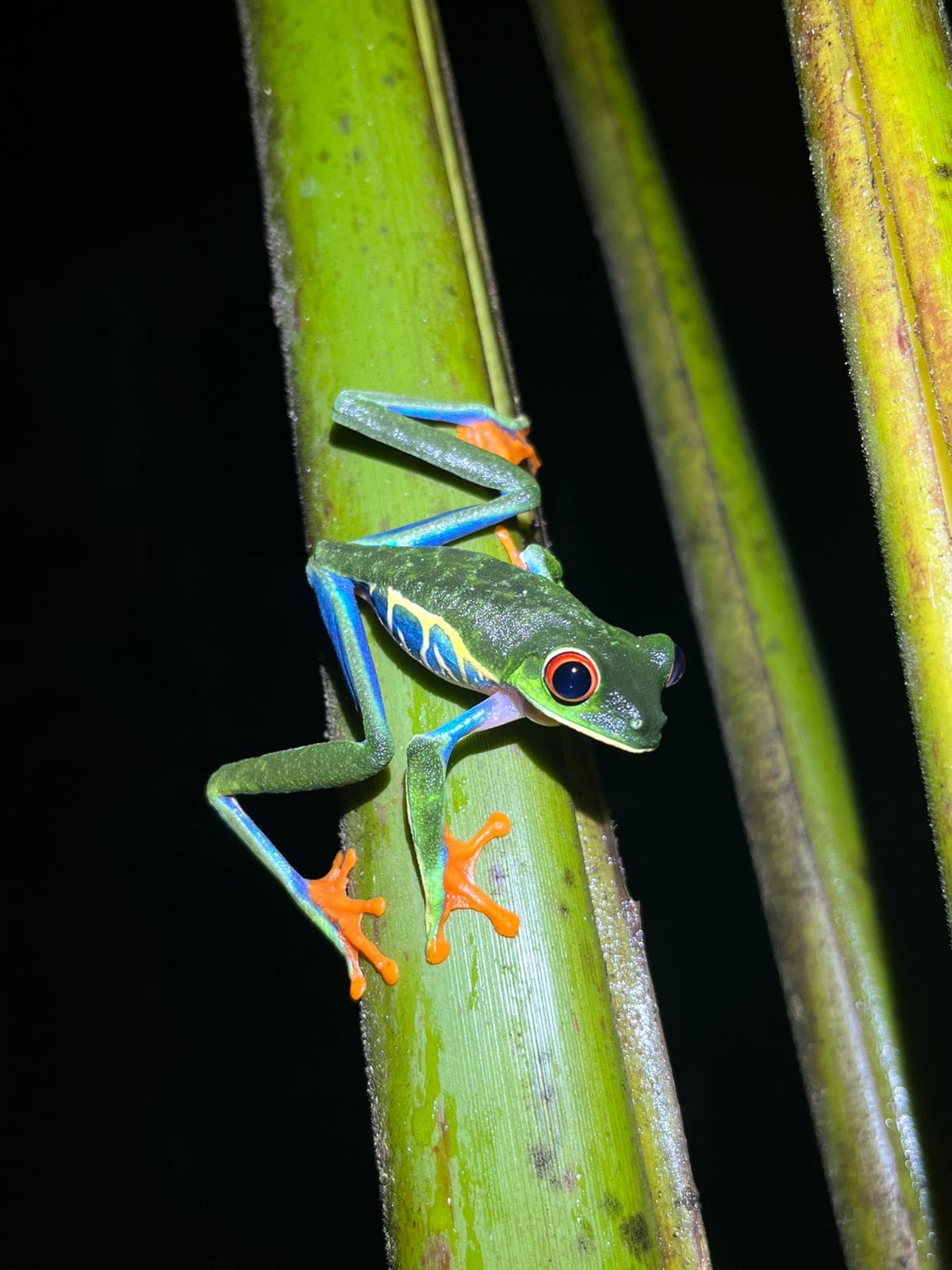
    A night walk is not a daytime walk with less light. It is a different forest. As daylight fades, the soundscape changes and a new group of animals becomes active. Red-eyed tree frogs may move near ponds, kinkajous can travel through the canopy, sleeping birds become easier to study without approaching them, and spiders, insects, snakes, and other small creatures emerge from places that looked empty a few hours earlier. This is why I think guided night walks are underrated. Your field of view is smaller, so you naturally slow down. A guide reads details: a reflection from an eye, a silhouette against a leaf, a call from above, or a shape that breaks the pattern of a branch. Good lighting discipline also matters. We avoid chasing animals, keep a respectful distance, and use light carefully instead of surrounding a subject for a photograph. Night walks are especially useful for travelers who think wildlife means only monkeys and sloths. The smaller nocturnal world shows how much of the rainforest’s diversity is easy to miss during the day. Wear closed shoes, bring a light rain layer, and expect humid, uneven conditions rather than a polished nighttime attraction.
    View the Danaus night walk

    4. Slow travel beats the three-day checklist

    One of the most common planning mistakes I see is turning three days in Arenal into a race: bridges at sunrise, waterfall before lunch, rafting in the afternoon, hot springs at night, then another full day without space to stop. It is possible to fill every hour. It is not always the best way to experience the place. Wildlife does not follow an itinerary. A troop of monkeys may begin moving just as you planned to leave. A toucan may land when everyone has put the binoculars away. Rain may pause a walk and then bring frogs into view. If every activity has a hard departure behind it, those moments become inconveniences instead of the reason you traveled. With three days, I would choose fewer habitats and see them at different times: perhaps one quiet morning for birds and canopy wildlife, one afternoon around forest edge or river habitat, and one night walk. Leave room for weather, rest, and an unplanned return to a place that felt alive. Arenal is not a checklist; it is a landscape you understand in layers.
    Read what wildlife you can realistically see

    5. What a wildlife guide actually changes

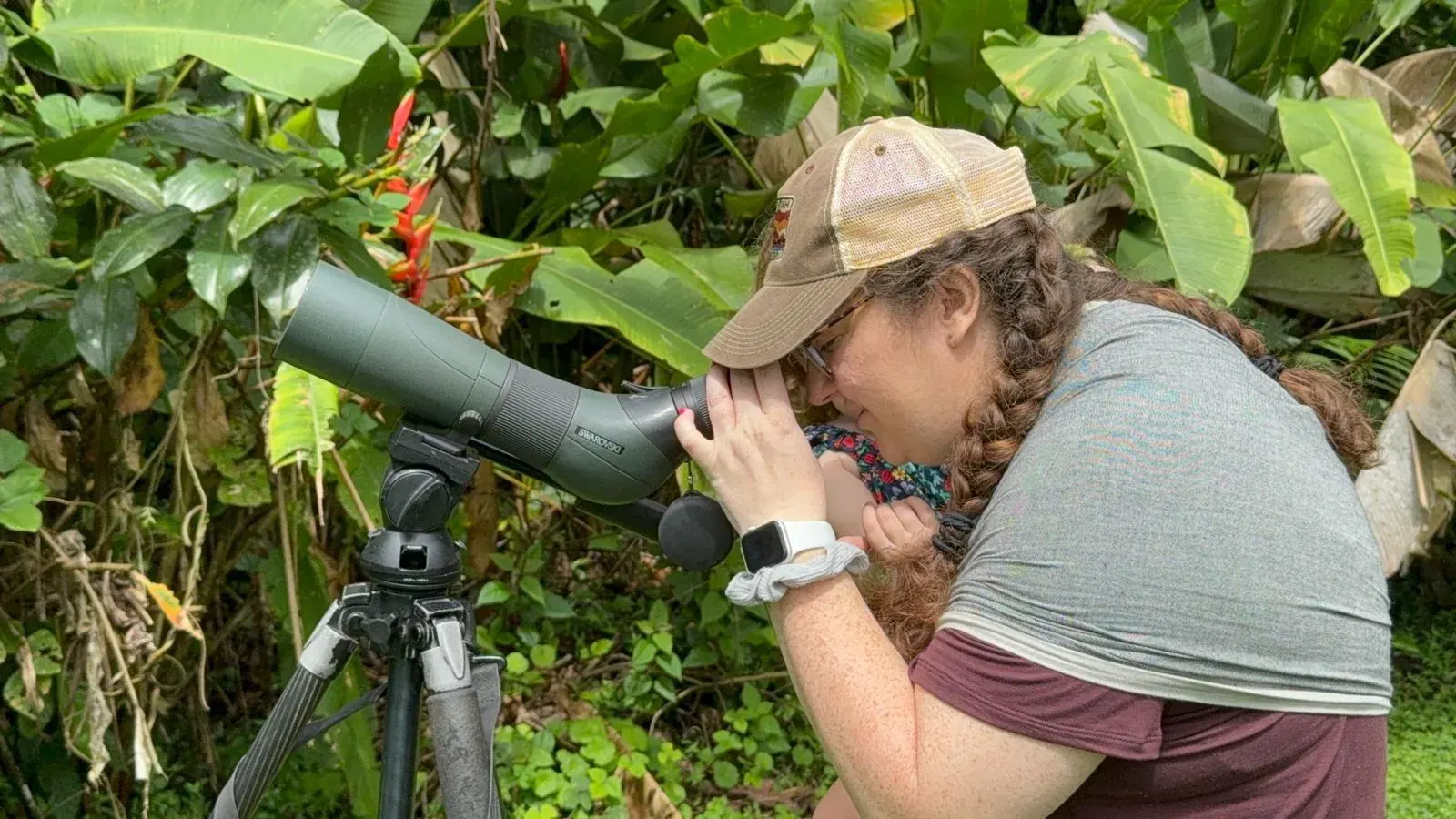
    A naturalist guide cannot make a wild animal appear, and an honest guide should never imply otherwise. The value is in noticing, interpreting, and helping you spend time well. Rainforest animals survive by being camouflaged, quiet, still, or high in the canopy. A sloth can look like a dark knot. A frog can disappear against one leaf. A bird may be identified first by a single call from far above the trail. A trained eye learns patterns: which trees are fruiting, where a species tends to perch, how fresh movement looks in wet foliage, and when a sound suggests waiting rather than walking. A spotting scope then turns a distant shape into a clear view that several people can share without getting closer to the animal. For families or first-time wildlife watchers, the explanation matters as much as the sighting: why the animal chose that habitat, what it is doing, and how to observe without disturbing it. You do not need a guide for every minute of a Costa Rica trip. For a wildlife-focused outing, however, a good local naturalist often changes both how much you notice and how deeply you understand it.
    View a guided sloth and bird walk

    6. Why binoculars matter

    Bring binoculars if you own them, and rent or borrow a pair if you can. They are not only for serious birders. Toucans often stay across an opening, monkeys move through the upper canopy, and a sleeping sloth may be high enough that the naked eye sees only a shape. Binoculars let you study behavior and markings without stepping off the trail or pressuring an animal. The best pair is the one you can use comfortably. Before the walk, adjust the eyecups, the distance between the barrels, and the focus. Practice finding a stationary object: look at it first with your eyes, keep looking, then raise the binoculars into place. Searching through the lenses from the beginning is much harder in dense forest. A guide’s scope is excellent for a shared, steady view, but binoculars let you follow movement independently. Keep them accessible rather than buried in a backpack, and carry a simple dry bag or cloth during rain. Even a short morning becomes richer when every person can look for themselves.
    Explore birding around Arenal

    7. Set realistic expectations for wild encounters

    A useful wildlife plan is built around habitat and timing, not a guaranteed species list. Sloths, toucans, frogs, coatis, monkeys, and snakes all belong to the wider Arenal landscape, but their visibility changes daily. Some are naturally easier to find than others. An eyelash viper is a memorable possibility, not something anyone should promise. A kinkajou may be present above a night trail and remain unseen. Even a familiar bird can be quiet after a change in weather. Tell your guide what matters to you, but allow alternatives. If you hope to see frogs, choose humid habitat and consider night. If birds are the priority, start early and spend less time moving between attractions. If sloths are important, forest edges and regenerating habitat can be more productive than the deepest-looking jungle. This is more practical than asking one trail to provide everything. Responsible wildlife watching also means accepting “no.” We do not handle animals, crowd them, bait them, force them into the open, or trade their welfare for a photograph. A quiet, natural sighting at a respectful distance is always the better story.
    View Elías Peña’s wildlife portfolio

    How I would plan one wildlife-focused day in Arenal

    I would begin before breakfast or shortly after first light, with one habitat chosen for the main interest of the group. A forest-edge reserve can work well for sloths and approachable birding; a canopy trail offers a different perspective; a specialist birding site makes sense when birds are the clear priority. I would keep the morning focused rather than combine several entrances. After the active early window, I would slow the pace. Have breakfast or lunch, rest, review photographs, and avoid forcing another wildlife walk through the hottest hours simply because the schedule has a gap. Later in the afternoon, choose a contrasting habitat such as a river edge, wetland, or a short second trail. After dark, add a guided night walk if the group is comfortable on uneven ground. That is a framework, not a fixed package. Weather, mobility, children’s energy, photography goals, and the location of your hotel all affect the sensible order. The important part is the rhythm: early activity, a real pause, then a different habitat or the nocturnal forest—not three versions of the same walk rushed together.
    Ask us about timing and habitats

    Frequently Asked Questions

    What wildlife can I realistically see around Arenal?

    Sloths, toucans, frogs, coatis, monkeys and many smaller forest species are realistic possibilities in the right habitats. No individual species is guaranteed, and rarer animals such as eyelash vipers should be treated as a possibility rather than an expectation.

    Is morning or night better for wildlife in La Fortuna?

    They reveal different communities. Roughly 5:30–8:00 a.m. is often strongest for birds and active daytime wildlife, while a guided night walk is better for frogs, insects, sleeping birds and other nocturnal life.

    Do I need a guide to see wildlife in Arenal?

    You can enjoy trails independently, but a trained naturalist notices camouflaged, silent and canopy-high animals, interprets behavior, and shares distant views through a spotting scope.

    Are three days enough for wildlife in Arenal?

    Yes, if you avoid overpacking the schedule. One early morning, one contrasting daytime habitat and one night walk can provide a richer view than racing through many similar stops.
    Planning wildlife time in Arenal? Tell us what you hope to see and how many days you have. We’ll suggest the timing and habitat that make the most sense.