
Written by VIVO Expeditions Editorial Team
A Climate That Runs Backwards
The Caribbean lowlands receive 3,500–5,000 mm of rain annually, more than double Guanacaste. But the rain is distributed differently:
• Driest months: September–October and February–March (sunny, calm seas)
• Wettest months: November–January and June–August
• Temperature: 24–30 °C year-round, very humid (80–90%)
• Sea conditions: calmest in September–October — ideal for snorkeling at Cahuita reef
If you're visiting Costa Rica in September or October and the Pacific is rained out, head to the Caribbean.
Top Caribbean Destinations
• Puerto Viejo de Talamanca: bohemian beach town, surf, restaurants, nightlife
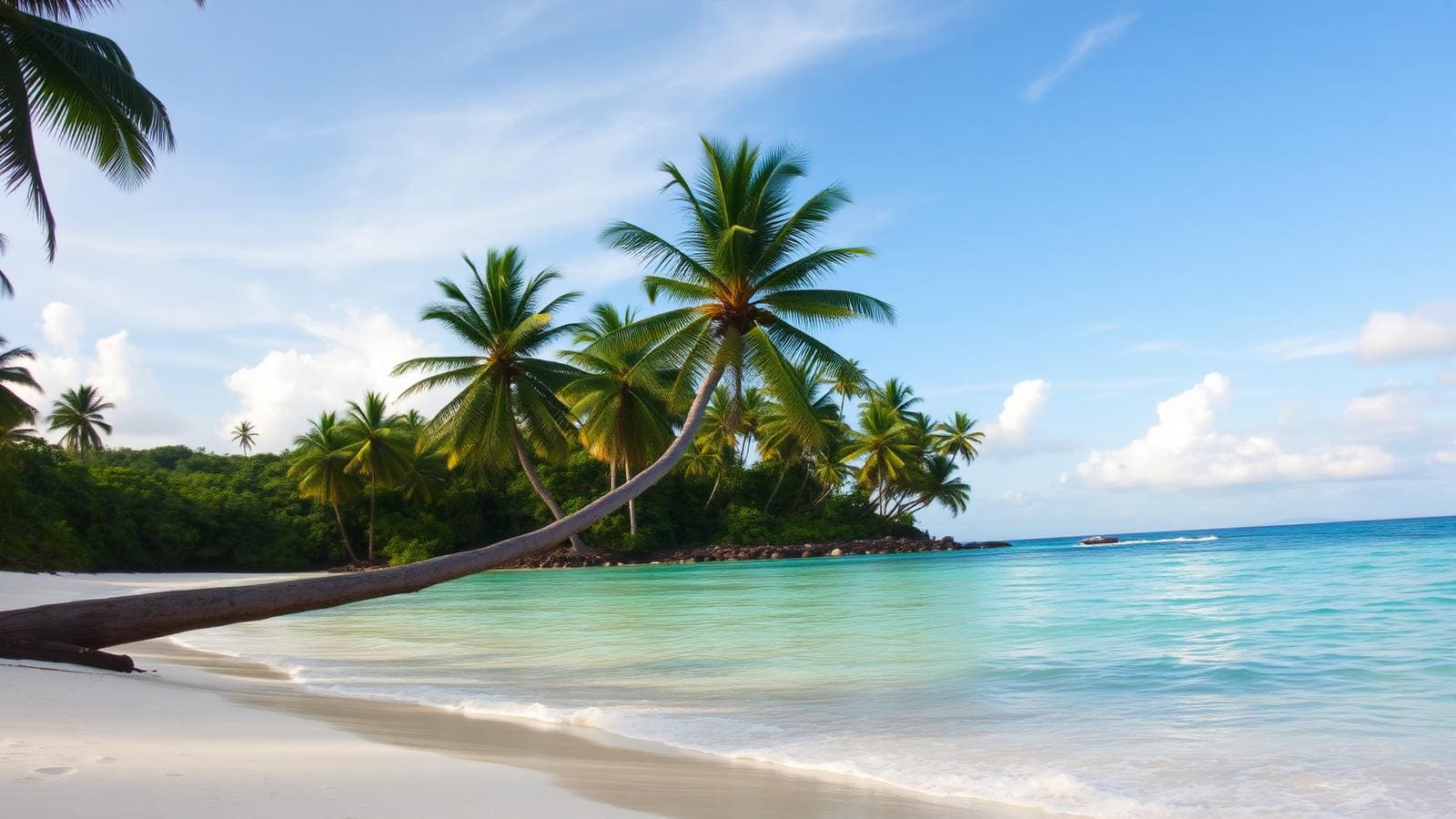
• Cahuita National Park: white-sand beach + coral reef + sloths and capuchin monkeys
• Manzanillo / Gandoca-Manzanillo Reserve: wild beaches, dolphin watching, snorkel
• Tortuguero National Park: "Amazon of Costa Rica" — canals, green sea turtle nesting (July–October)
• Cahuita village: quiet, authentic Caribbean culture
What to Pack for the Caribbean
• Lightweight, fast-drying clothing — humidity is intense
• Strong insect repellent (DEET 30% or picaridin)
• Rain jacket and dry bags for electronics — sudden showers are constant
• Snorkel gear if you have your own (Cahuita reef is fragile, no rentals on-site)
• Reef-safe sunscreen — non-negotiable in the marine park
• Closed hiking shoes for jungle trails
• Cash in colones — many small businesses don't take cards
• Spanish phrasebook + a few words of Mekatelyu (local Creole) is appreciated
Best Time to Visit the Caribbean
• September–October: the secret window — sunny while the Pacific is soaked
• February–March: also dry, slightly busier
• July–October: green sea turtle nesting in Tortuguero
• March–May: leatherback turtle nesting in Gandoca-Manzanillo
Cultural Notes
The Caribbean coast was settled in the 1800s by Afro-Caribbean migrants from Jamaica, Panama and Trinidad. English Creole (Mekatelyu) is still widely spoken alongside Spanish. Try rice and beans cooked in coconut milk, "rondón" stew, and patí (spiced beef pastry). Reggae and calypso shape the soundtrack of the region.
Combining the Caribbean with the Northern Zone
Many travelers pair a few Caribbean days with time in La Fortuna and Arenal. If your route passes back through the north, a sloth-and-birdwatching walk is an easy, low-effort way to add wildlife before heading to the airport.
View Tour Details Frequently Asked Questions
How many days should I spend on the Caribbean coast?
Most travelers spend 3-4 days, enough time to enjoy Puerto Viejo, Cahuita National Park, and possibly Tortuguero.
Is the Caribbean coast far from La Fortuna?
It's about 4-5 hours by road, so many travelers include it as part of a longer multi-region Costa Rica trip.
What makes the Caribbean coast's weather different?
It runs on an inverted pattern — its driest months (September-October) coincide with the Pacific side's wettest weeks.
How do I add Caribbean days to my Costa Rica itinerary?
We arrange transfers, lodging recommendations and cultural tours — message us to extend your trip with a few days on the Caribbean.
Want to extend your Costa Rica trip with a few days on the Caribbean? We arrange transfers, lodging recommendations and cultural tours.
Free planning · No commitment · Local expert guidance