
Written by VIVO Expeditions Editorial Team
Southern Zone Climate
• Annual rainfall: 4,000–6,000 mm (one of the wettest places in Costa Rica)
• Temperature: 24–32 °C, humidity 85–95%
• Driest months: January–March (still some afternoon showers)
• Wettest months: September–November (full days of rain, some lodges close)
• Whale season: mid-July to October (humpback whales in Marino Ballena)
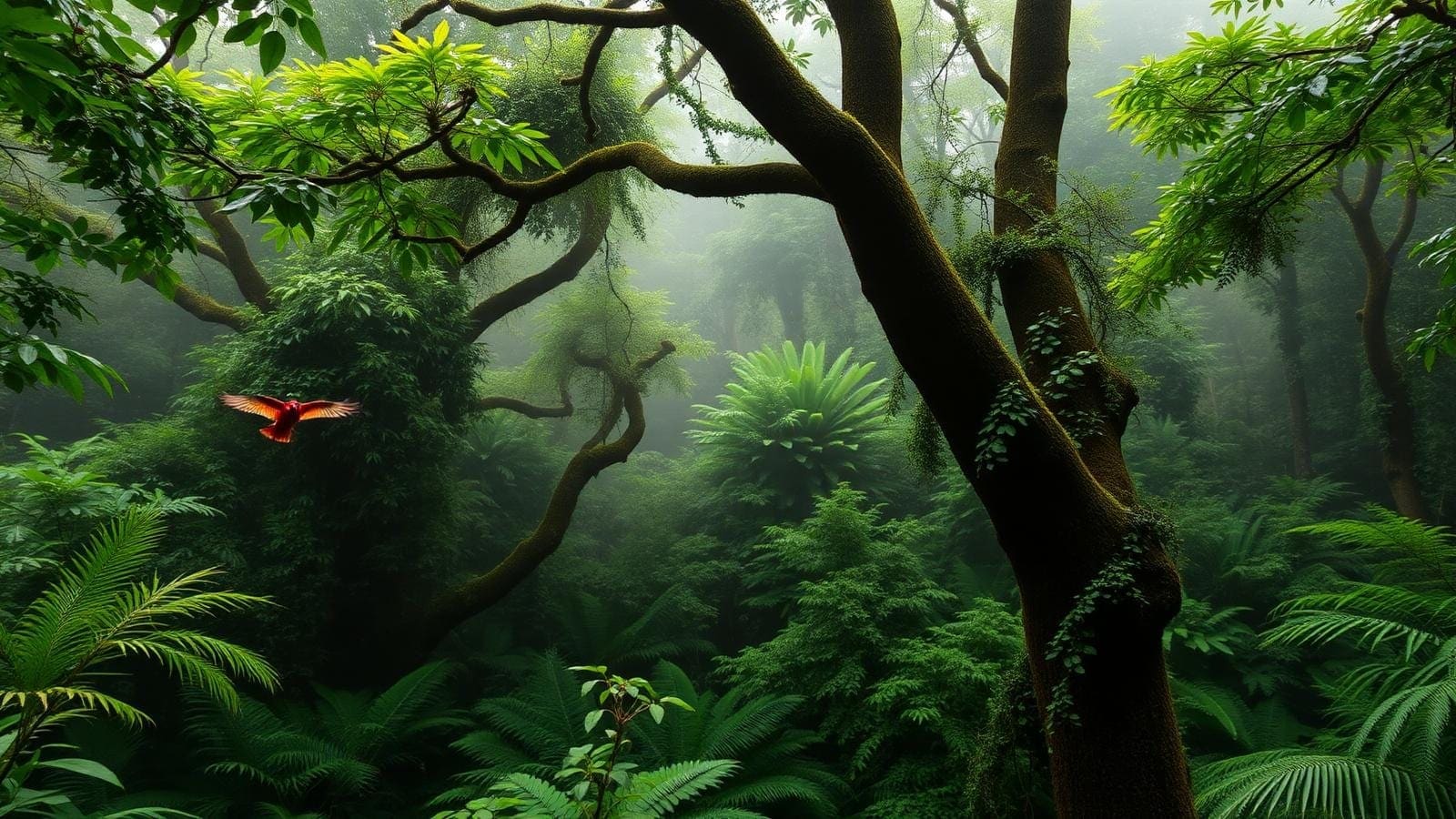
The rain is what makes Osa's rainforest so spectacular — and you should plan for it.
Key Destinations
• Corcovado National Park: jaguars, tapirs, scarlet macaws — guided entry mandatory
• Drake Bay: main gateway to Corcovado, snorkeling at Caño Island
• Puerto Jiménez: the peninsula's main town, scarlet macaws in the streets
• Marino Ballena National Park (Uvita): whale-tail beach formation, humpback whale watching
• Dominical: surf town, gateway to waterfalls (Nauyaca)
• Sierpe & Térraba mangroves: crocodiles, mangrove tours
What to Pack for Osa & Southern Zone
• Heavy-duty rain jacket and rain pants — light rainwear is not enough here
• Quick-dry hiking pants and long-sleeve shirts (mosquito and chigger protection)
• Knee-high gaiters or rubber boots for jungle hikes (often provided by lodges)
• Strong DEET repellent (35–50%)
• Dry bags for cameras and electronics
• Headlamp + spare batteries (lodges run on solar, lights go out)
• Quick-dry towel
• Probiotic / electrolyte sachets — heat exhaustion is real on Corcovado hikes
• Travel-size first aid kit
• Cash — there is no ATM at Drake Bay or inside Corcovado
When to Visit
• January–April: driest, easiest hiking, full lodge availability
• July–October: whale watching season + lush jungle
• September–November: wettest, some lodges close — avoid unless you're a serious naturalist
Getting to Osa
• Fly to Drake Bay or Puerto Jiménez from San José (35 min) — recommended
• Drive from San José: 6–7 hours via Costanera
• Boat from Sierpe to Drake Bay: scenic mangrove ride (1 hour)
Birding En Route
If you're driving south, the rainforest around Esquipulas offers a worthwhile birding stop to break up the long journey before or after Osa.
View Tour Details Frequently Asked Questions
Do I need a guide to enter Corcovado National Park?
Yes, a certified guide is mandatory for all visitors entering Corcovado National Park.
When is the best time for whale watching in Marino Ballena?
Humpback whale season runs mid-July to October, when sightings are most reliable near the whale-tail beach formation in Uvita.
How do I get to the Osa Peninsula?
Flying to Drake Bay or Puerto Jiménez from San José takes about 35 minutes and is the most practical option versus a 6-7 hour drive.
How do I plan a Corcovado or whale-watching trip?
Our team handles flights, transfers, certified guides and remote eco-lodges — message us with your dates to start planning.
Planning a Corcovado expedition or whale-watching trip in Marino Ballena? Our team handles flights, transfers, certified guides and remote eco-lodges.
Free planning · No commitment · Local expert guidance