Written by VIVO Expeditions Editorial Team
Where Quetzals Live in Costa Rica
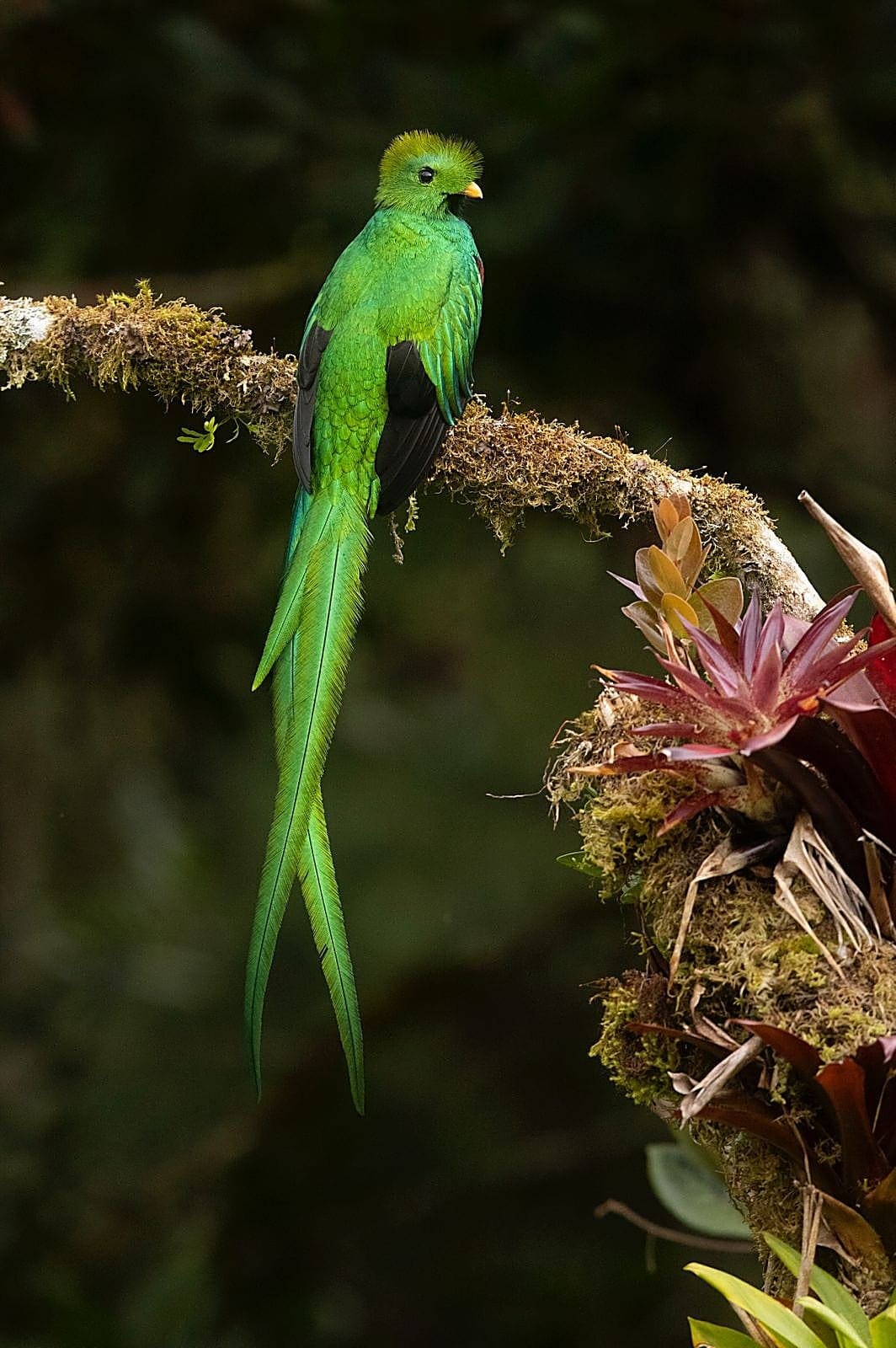
Quetzals require cloud forest at 1,200–3,000 meters elevation. They are not present in the Arenal lowlands, on the Caribbean coast, or on the Pacific beaches. The main populations are in the Talamanca mountains (San Gerardo de Dota, Cerro de la Muerte, Los Quetzales National Park), Monteverde Cloud Forest Reserve, and at higher elevations of Poás and Tenorio volcanoes. From La Fortuna or Arenal, a day trip to Monteverde (2.5–3 hours) or a multi-day plan including San Gerardo de Dota (4 hours via San José) is the typical approach.
Best Time of Year
Quetzals are present year-round but the breeding season (March–June) is the most reliable for sightings. During this window, males display from exposed perches, feed females at nest cavities, and call frequently. Outside breeding season they're quieter and more dispersed, requiring more patience and a guide who knows current roosting trees. The wild avocado fruiting season (December–February in some areas) also concentrates them.
How to See Them — Practical Approach
A pre-dawn arrival at a known fruiting tree is the most reliable approach. Local guides at San Gerardo de Dota and Monteverde maintain regular contact with each other about active trees, so a single morning with the right guide gives you 70–90% chance of a quetzal sighting in season. Be ready at first light (5:30–6:00 AM) — quetzals are most active in the first two hours after sunrise.
Combining a Quetzal Trip with Arenal
If you're basing yourself in La Fortuna, the cleanest plan is: 2–3 nights Arenal (lowland birding, volcano, hot springs), then transfer to Monteverde (1 night) for the quetzal morning, then continue your itinerary. Monteverde also offers Three-wattled Bellbird, Black Guan, and Resplendent Quetzal in the same morning — making it one of the most species-rich highland mornings in Costa Rica.
View Tour Details What to Bring
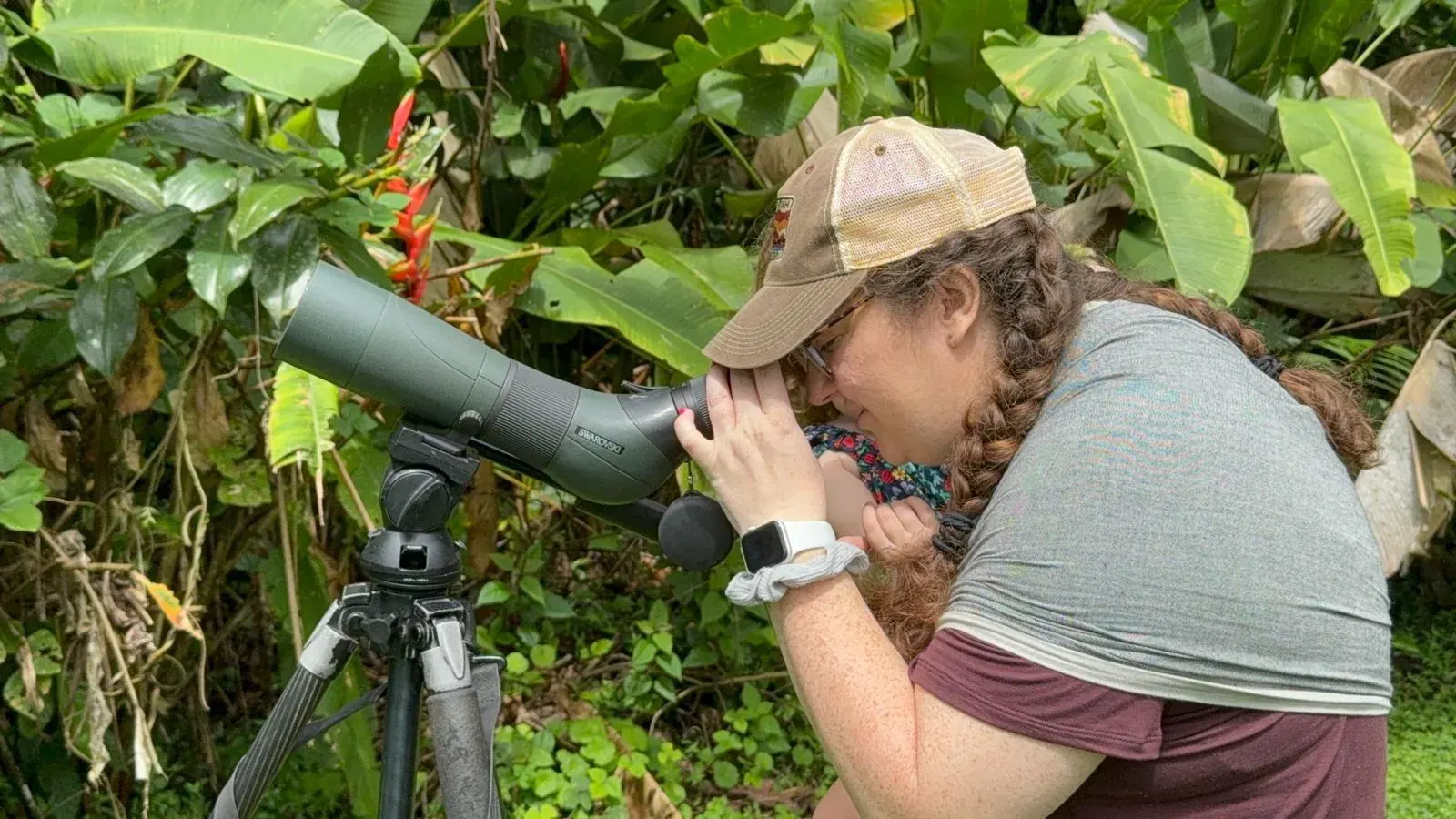
• Binoculars (8x42 or 10x42)
• Warm layers — cloud forest mornings are 10–14°C
• Rain shell — cloud forest is, well, cloudy
• Camera with a 400mm+ lens if photographing
• A field guide or app (Merlin Bird ID for Costa Rica works well)
Ethical Quetzal Watching
Quetzals are sensitive during breeding. Stay at least 15 meters from active nests, avoid playback recordings near nest cavities, and follow your guide's lead on positioning. The local guide community has worked hard to protect viewing sites — respecting their guidelines keeps these sites productive for future visitors.
Frequently Asked Questions
When is the best time to see the Resplendent Quetzal in Costa Rica?
Nesting season runs February through May, which is the most exciting window for serious birders to spot this species.
Can I see the Quetzal near Arenal, or do I need to travel further?
Quetzals are typically found at higher elevations outside the Arenal lowlands, so most itineraries combine a dedicated highland visit alongside Arenal.
What other species pair well with a Quetzal-focused trip?
Arenal offers over 400 recorded species, so combining a Quetzal excursion with Arenal birding maximizes your overall trip diversity.
How do I plan a birding itinerary that includes the Quetzal?
Our team coordinates the whole trip — guides, lodging recommendations, and private transfers between regions. Message us to get started.
Want help planning a Costa Rica birding itinerary that includes the Resplendent Quetzal alongside Arenal? Our team coordinates the whole trip — guides, lodging recommendations, and private transfers between regions.
Free planning · No commitment · Local expert guidance