
Elias Peña
Founder & Photography Guide · VIVO Expeditions
I photograph Costa Rican wildlife year-round. I've guided dedicated photography expeditions for 10+ years — clients ranging from first-time DSLR owners to working BBC Natural History Unit photographers. This guide covers what actually works in La Fortuna's specific conditions: high humidity, variable light, close-quarters rainforest, and cooperative-but-fast wildlife.
I'm not going to repeat generic photography tips. I'm going to tell you the specific settings I use for each major subject type — and why.
Camera Settings by Subject
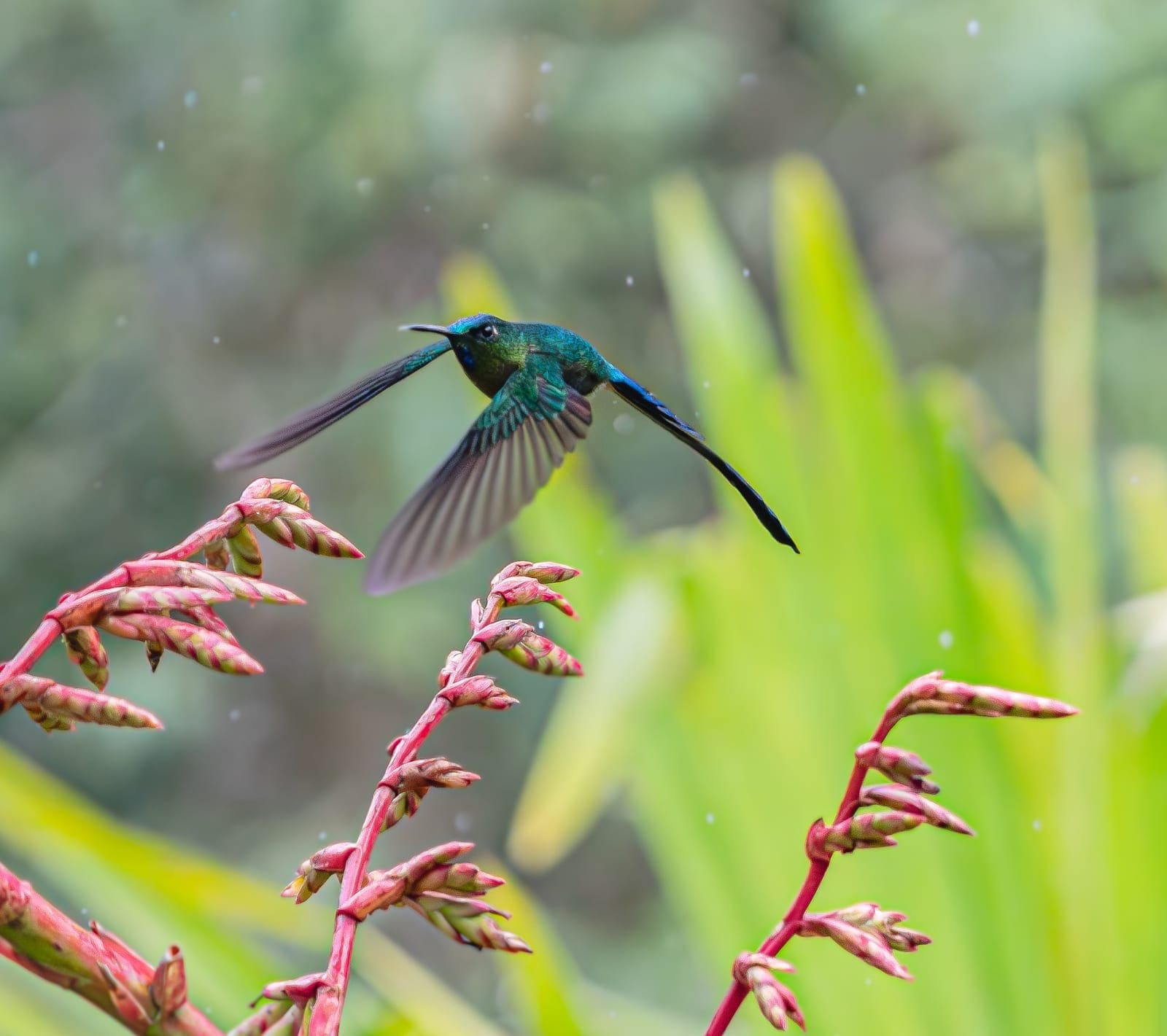
1. Hummingbirds in flight
Settings I use
Field note
We use a multi-flash setup at feeders — 4 flashes at 1/16 power freeze the wings completely even at 1/250s. This is the technique BBC Wildlife photographers use. Available on our dedicated hummingbird photography tour.
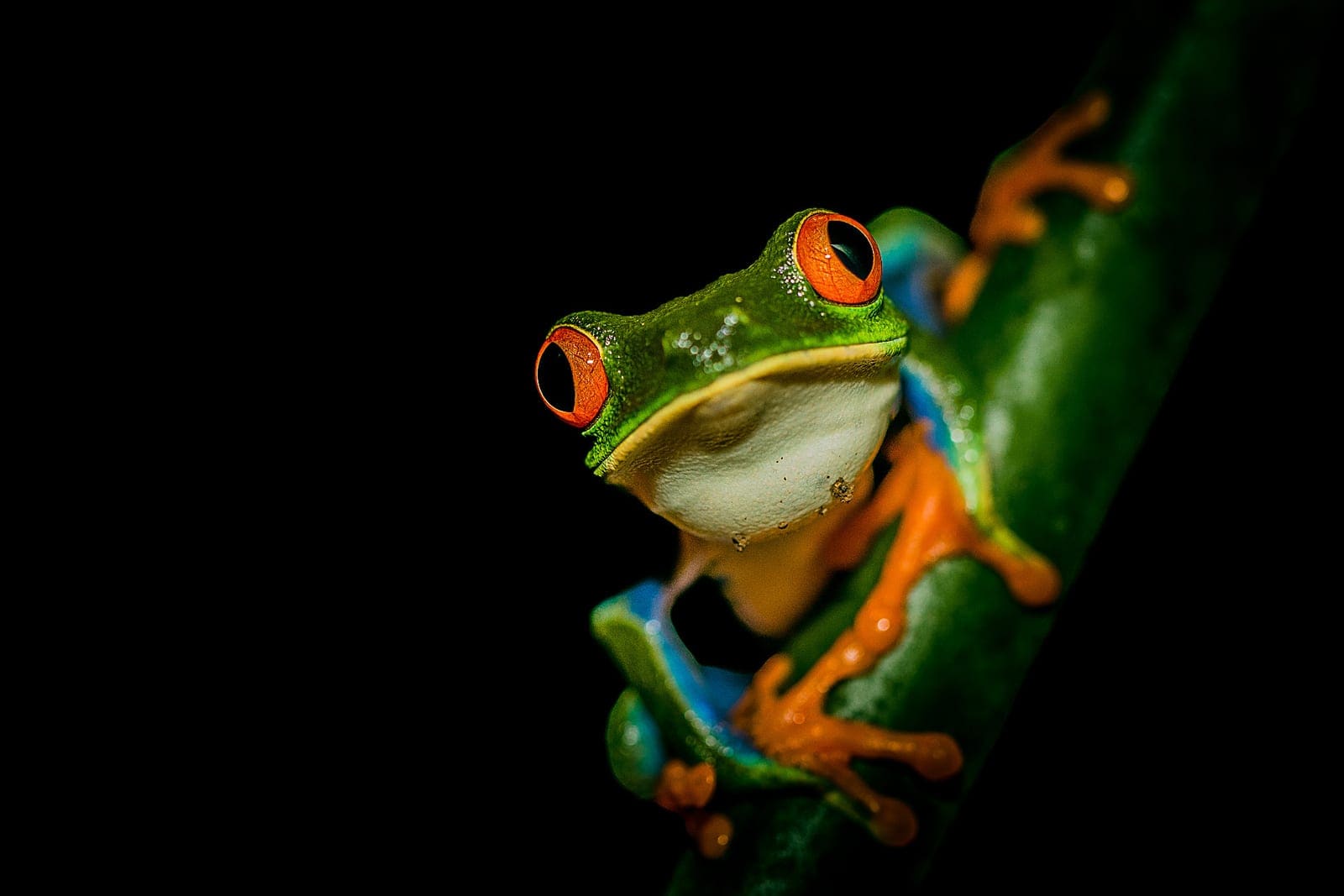
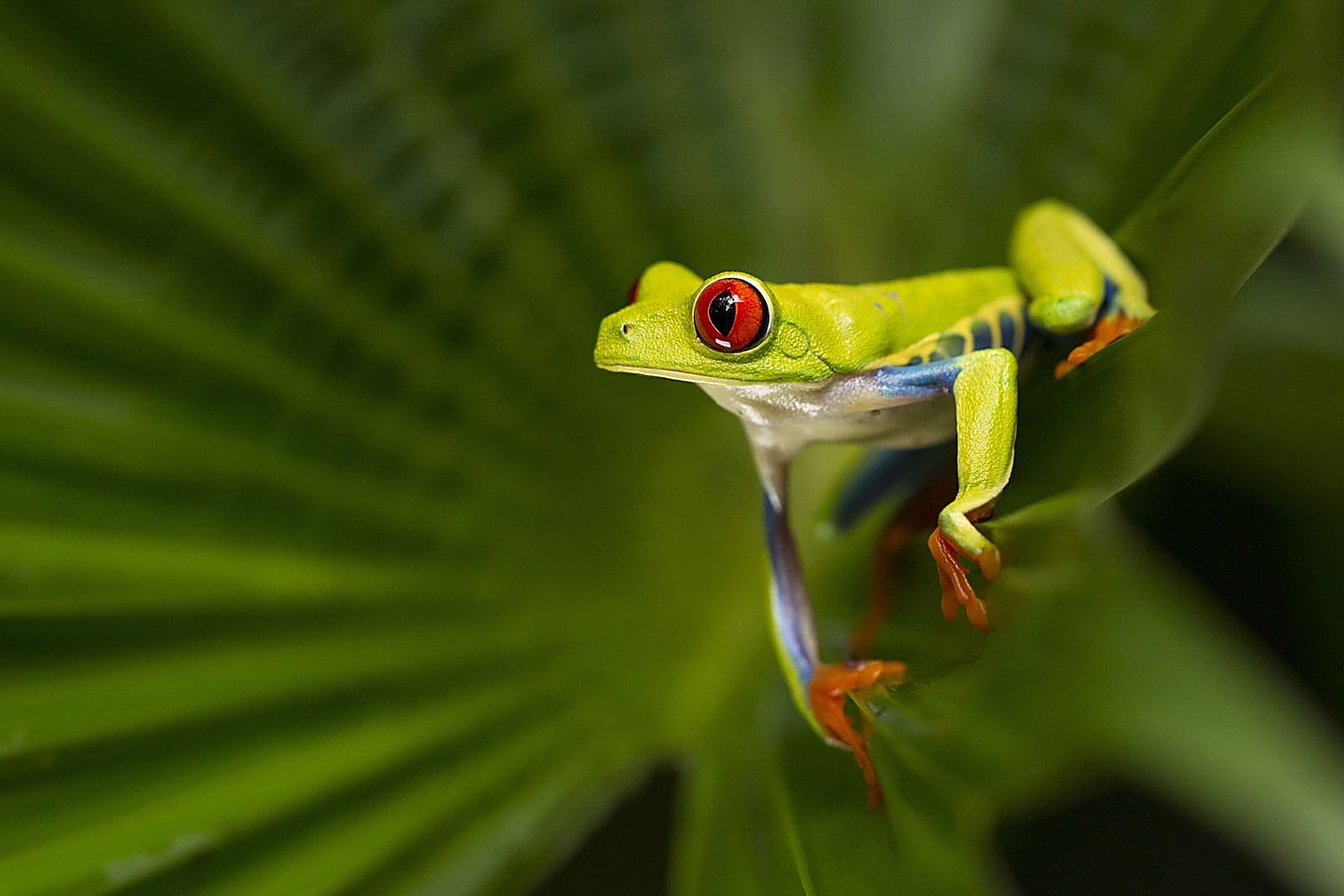
2. Red-eyed tree frogs (night)
Settings I use
Field note
Flash is your friend at night — not your phone torch. A single speedlight at 45 degrees eliminates harsh shadows. Aim for f/13 to get the full eye detail sharp. The eye is your critical focus point, not the body.
3. Birds in forest (perched)
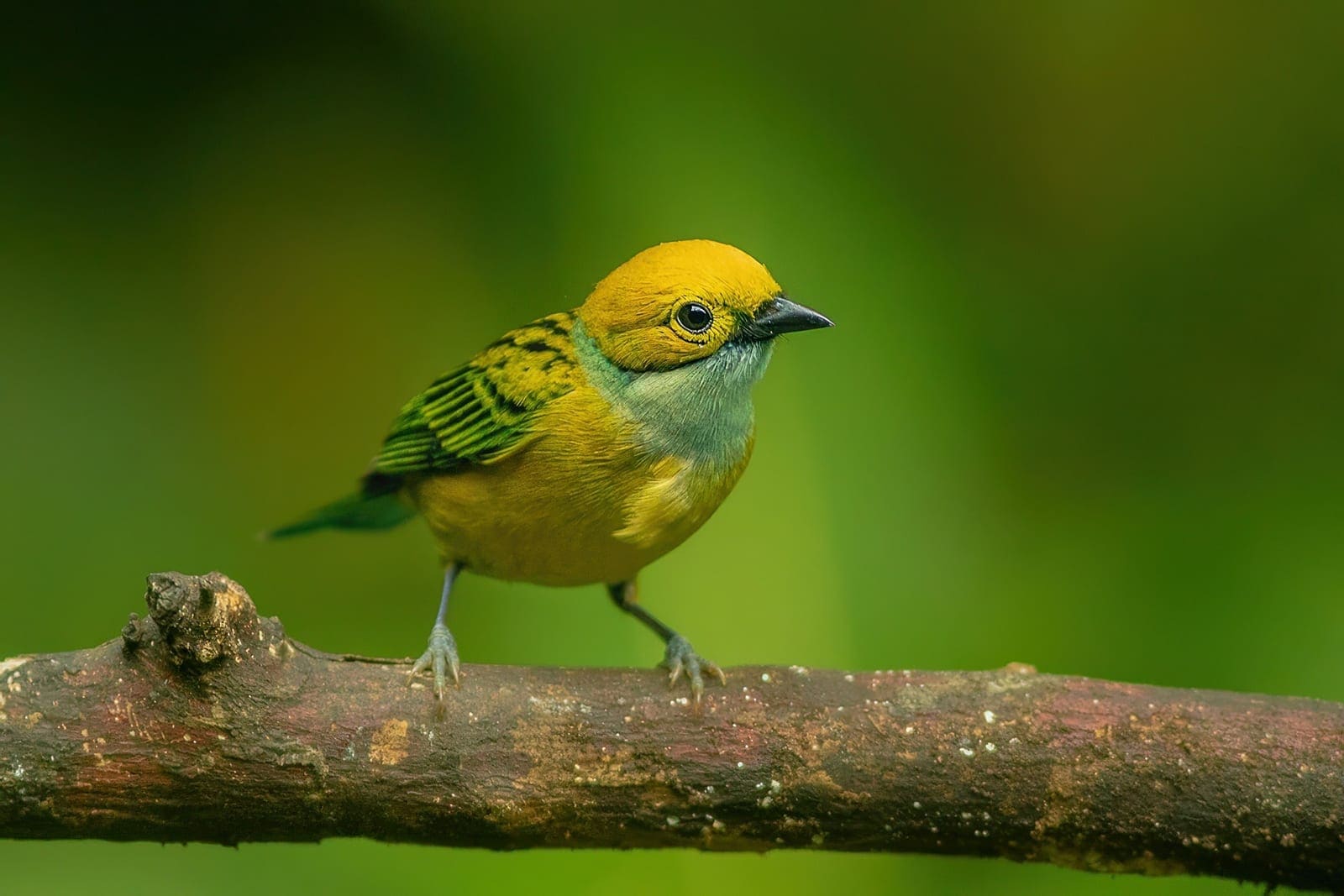
Settings I use
Field note
Rainforest is 2–3 stops darker than you think. If your meter says 1/250s at ISO 800, add +0.7 EV and raise ISO. A blurry bird at the right exposure is always better than a sharp but dark one. Auto-ISO with a 1/500s minimum shutter is your friend.
4. Glass frogs & macro insects
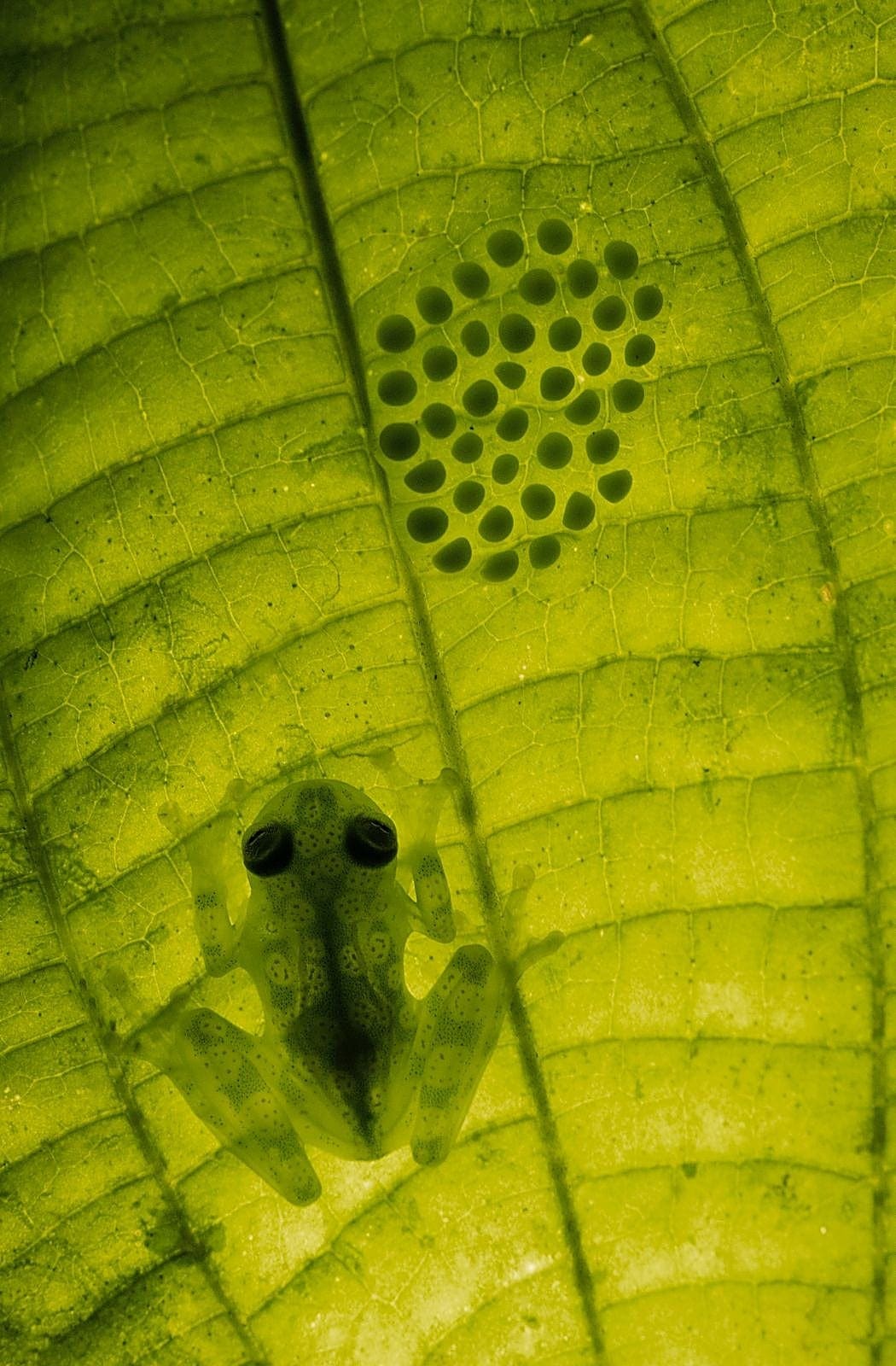
Settings I use
Field note
Depth of field at macro distances is millimeters. At f/22 and 1:1 you get maybe 3mm sharp. Focus-stack 5–8 frames if you have a tripod or bean bag. Glass frogs on leaves work best backlit — a small LED panel behind the leaf makes eggs glow. Stunning results even from a phone camera.
5. King Vulture in flight
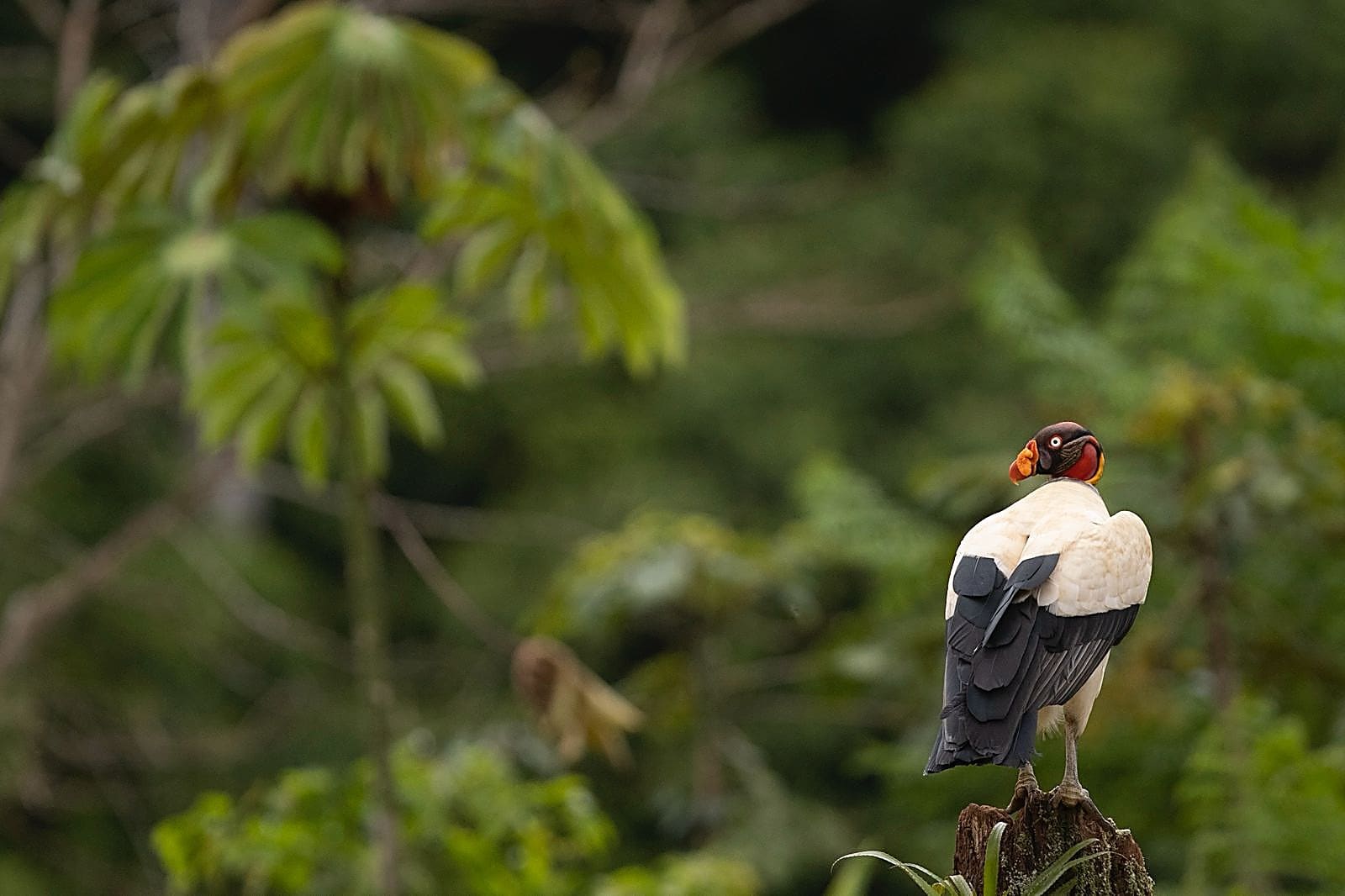
Settings I use
Field note
In clear sky you have enough light but you need tracking AF locked on from 200m away. Use your widest tracking zone — birds in flight in open sky is when Animal Eye AF really earns its keep. Sony and Canon R-series bodies track reliably; older DSLRs need center-point tracking.
6. Sloths (slow, backlit)
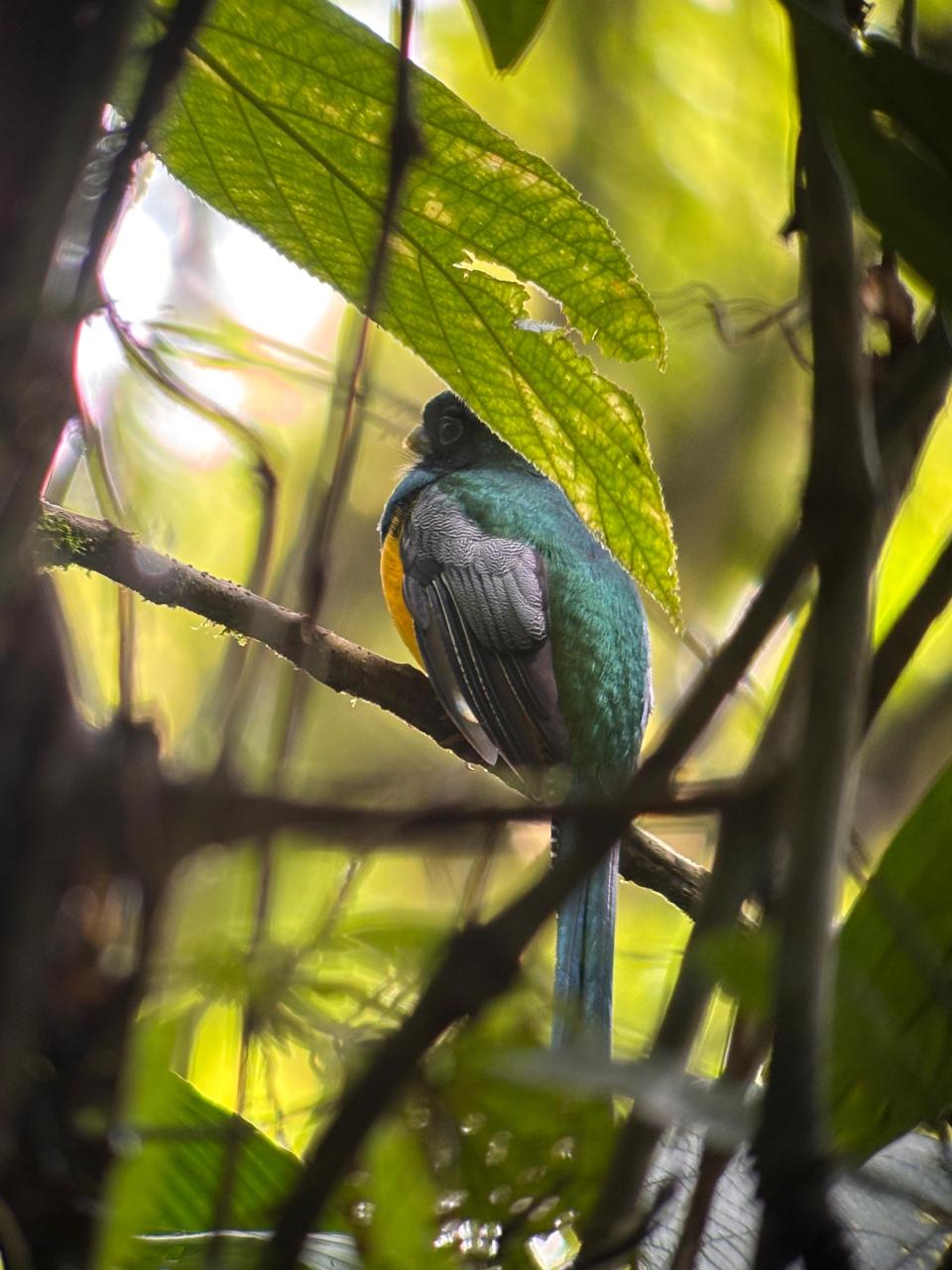
Settings I use
Field note
Sloths move so slowly you don't need fast shutter for motion blur — your problem is camera shake with a long lens. Use your lens image stabilization (IS/VR), 1/500s minimum even for a stationary sloth at 400mm. Their backlit position in tree canopy means expose for the face, not the sky.
Gear Recommendations for Costa Rica
I'm not sponsored by any camera brand. These are the tools I actually see working in the field, week after week.
Camera body
Animal Eye AF is transformative for bird-in-flight and moving wildlife. Any modern mirrorless body with subject tracking beats an older DSLR for this use case.
Telephoto lens
Most birds at La Fortuna allow 8–15m approach. A 400mm on crop sensor (≈600mm equiv.) is the sweet spot for 90% of encounters. You don't need a 600mm prime.
Macro lens
For frogs and insects at night. The extra working distance of a 180mm means you don't shadow your subject with the lens.
Flash / lighting
Essential for night macro and hummingbird multi-flash. Do not arrive in Costa Rica expecting available light for night subjects.
Memory & backup
V90 cards for 4K/8K and burst. In humidity, cards fail. Two cards in dual-slot shooting is the only acceptable workflow in the field.
Moisture protection
La Fortuna averages 4,000mm of rain per year. Your gear will get wet. A sleeve costs $15 and saves a $5,000 lens.
Multi-day workshops
Costa Rica Wildlife Photography Workshop
5-day intensive with full pre-dawn to dusk field time, post-processing review each evening, and access to sites no day-tripper reaches. Small groups of 4.
View Workshop Details