
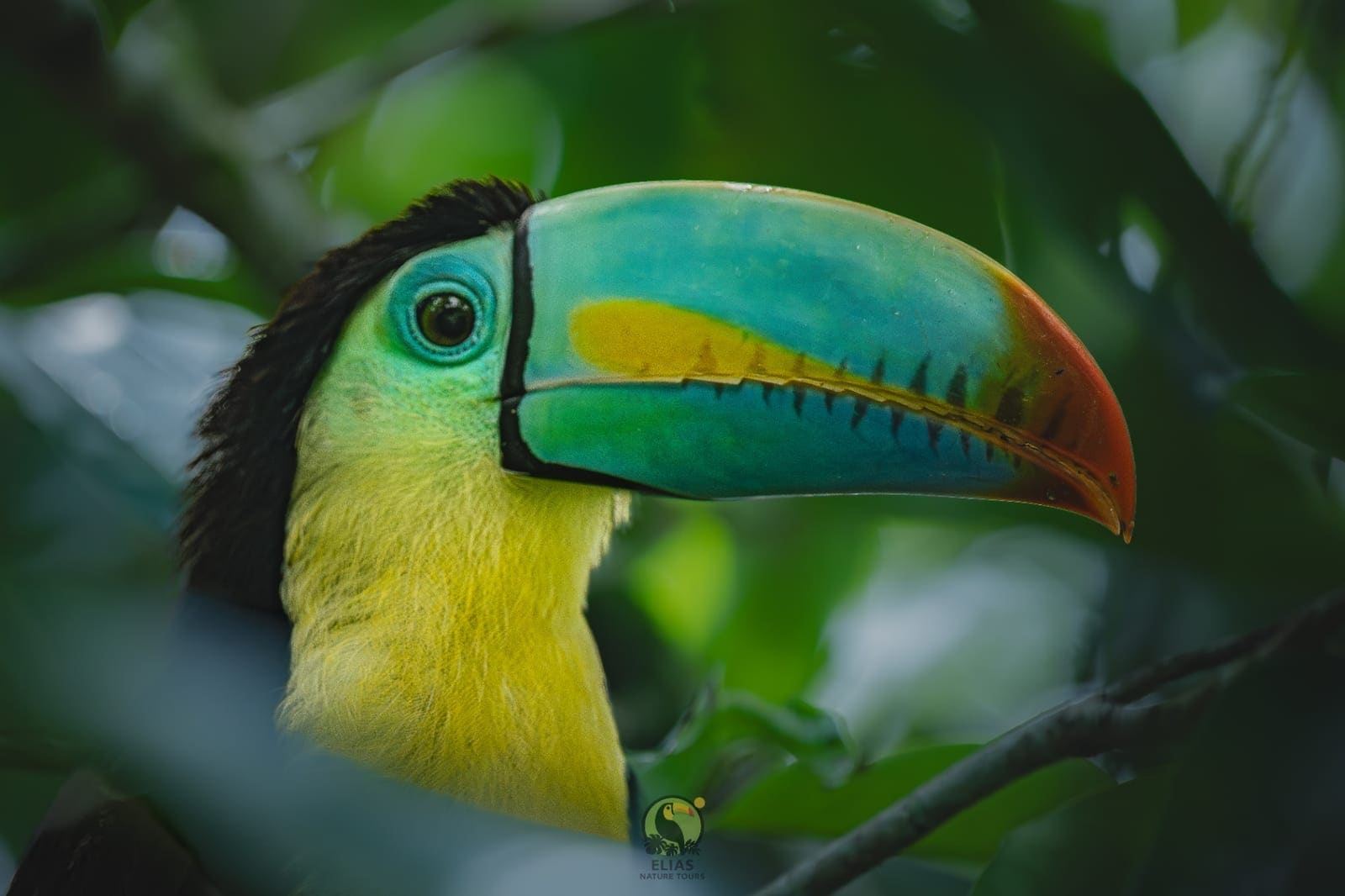
Half-Day Birdwatching & Bird Photography Tour – Arenal
High-impact birding and wildlife photography across two of La Fortuna's best sites — privately guided at your own pace.
~6.5 hours
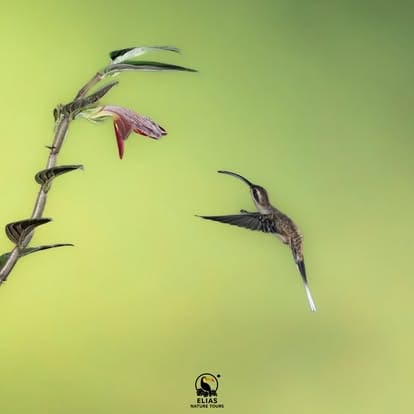
Arenal & La Fortuna·Arenal & La Fortuna
Fewer species, more keepers. Sessions built around light direction, clean backgrounds and staying with a subject until it does something worth photographing.
Send your gear, dates and target species — we build the light plan around them.
A photographic morning is planned backwards from the light. Where the sun will break, which perch will be lit at 6:40, which background will still be shaded at 7:15 — those decisions matter more than how many species pass through.
Groups stay small because tripods, flash arms and shooting lanes do not scale. Your guide positions the group, reads behaviour to anticipate takeoff, and keeps the line of sight clear instead of narrating from behind you.
400–600mm covers most perched work; 300mm is enough at hummingbird setups and from the boat. A monopod beats a tripod on moving platforms. Bring a body that holds focus at 1/2000 and above, and expect to shoot wide open in low forest light.
Separation is everything: we favour positions where the bird sits at least several metres in front of vegetation so the background renders as clean tone. At feeders we use natural perches and, when the setting allows it, fill flash dialled down far enough that the frame still reads as daylight.
Shooting from a low boat puts you level with herons, kingfishers and basilisks instead of looking down at them. The engine is cut for approaches, and the boatman repositions on your call so the light stays behind the lens.
Plan for one or two productive subjects per session rather than a species sweep. The difference between a record shot and a portfolio frame is usually the twenty minutes most groups are unwilling to spend.
Sessions ranked by how much control you get over light and position:
High-impact birding and wildlife photography across two of La Fortuna's best sites — privately guided at your own pace.
~6.5 hours
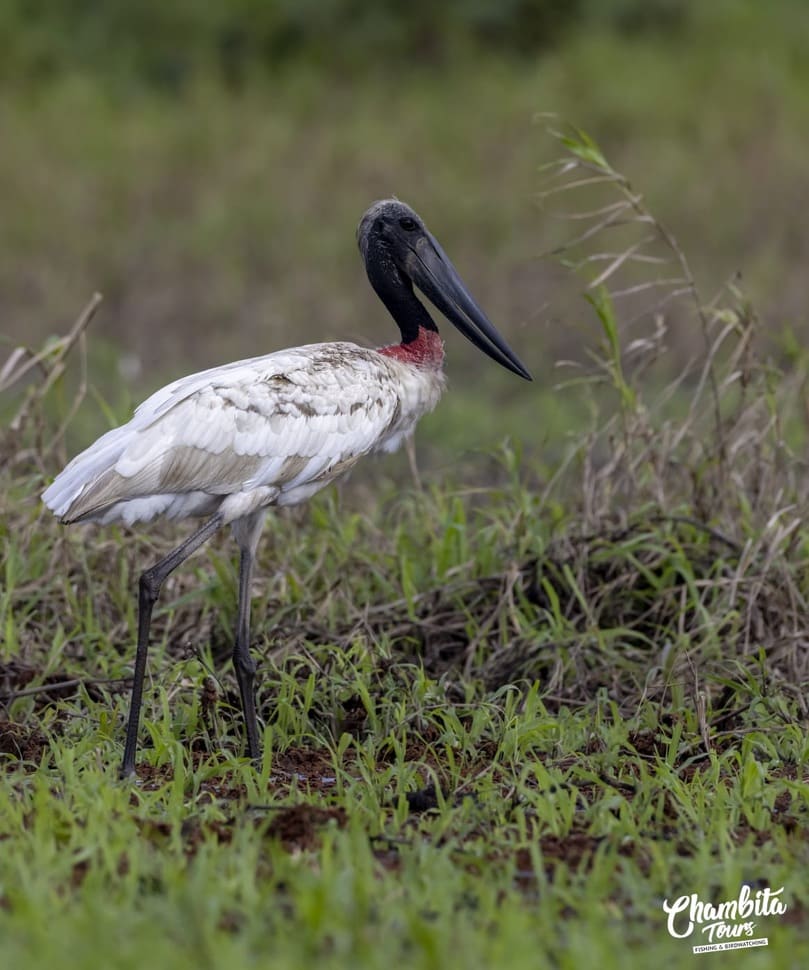
Specialized wildlife photography experience in one of Central America's premier wetlands
~3 hours (boat) + transport
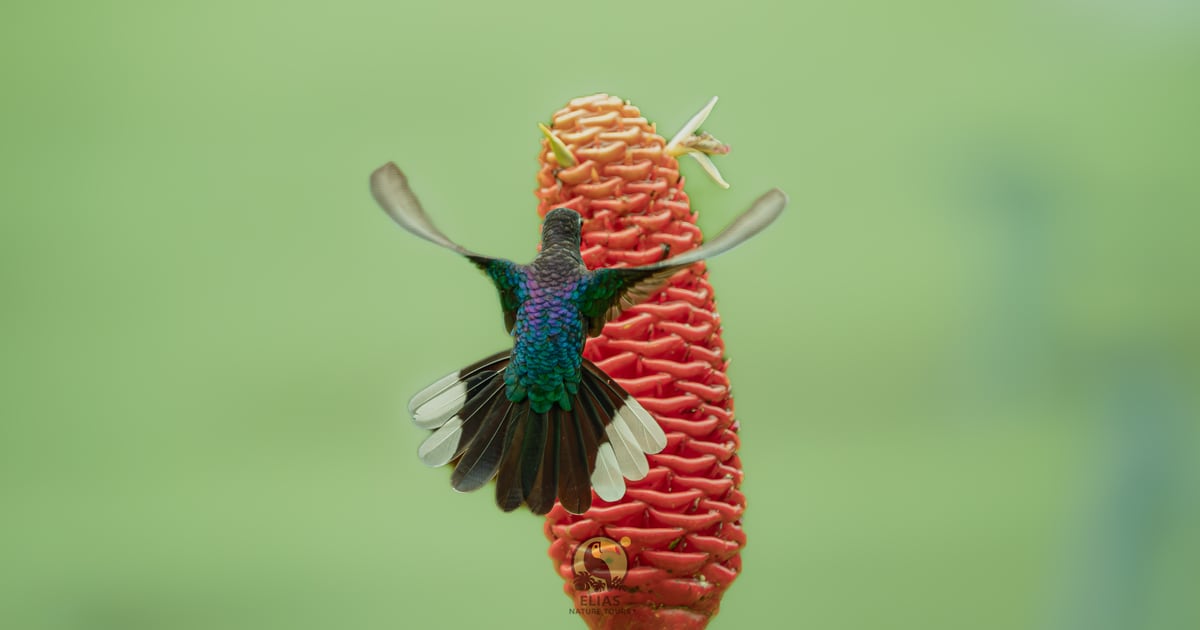
Full-day private excursion from La Fortuna to La Paz de San Ramón to photograph the Resplendent Quetzal in its cloud-forest habitat — plus honeycreepers, hummingbirds and oropendolas at Don Ignacio Arias' private property.
Full day (~10–11 hrs)
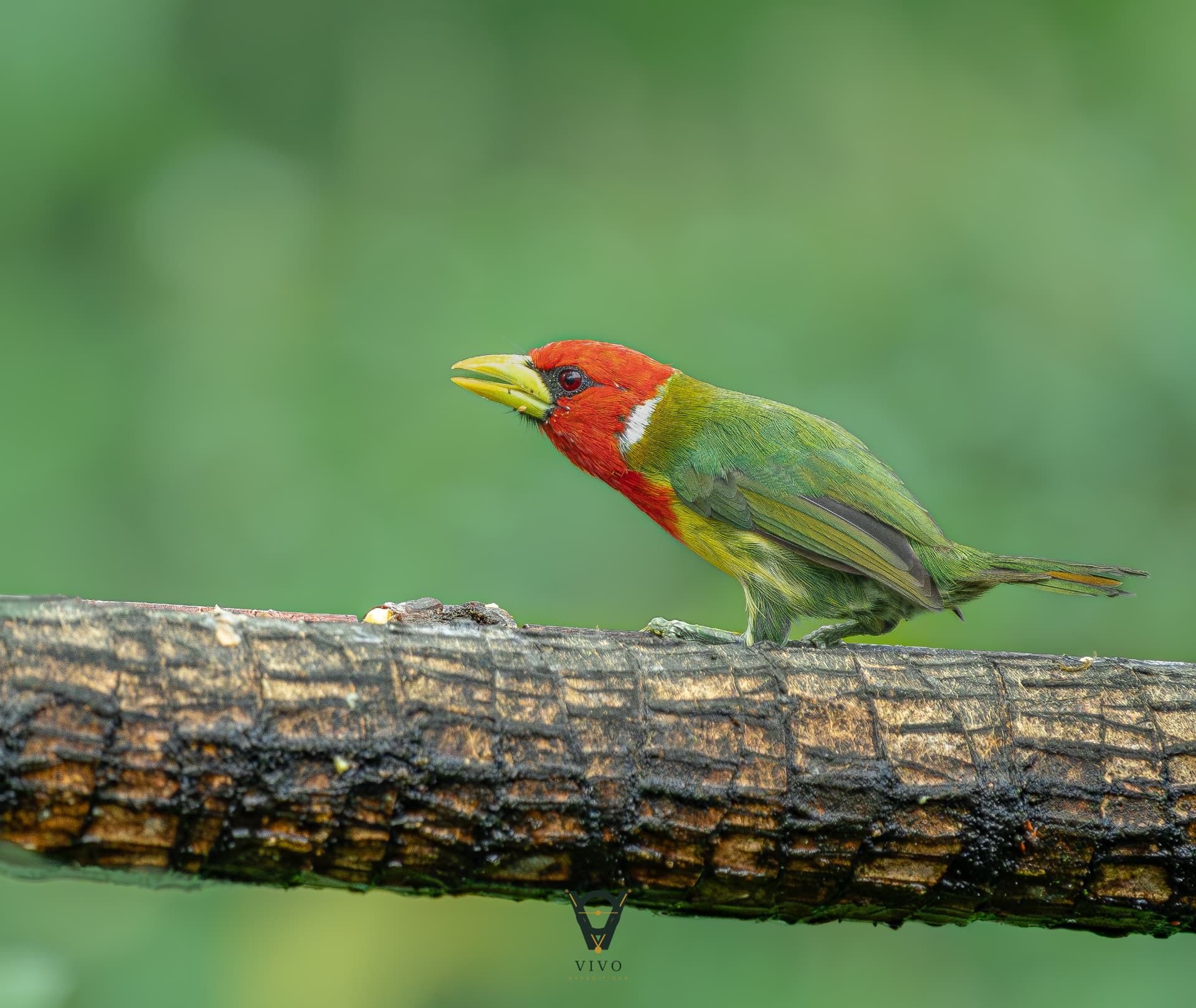
Full-day photography excursion to Costa Rica's most famous close-range feeders — hummingbirds, barbets, toucanets and tanagers at point-blank range, with a La Paz Waterfall photo stop.
Full day (~8–9 hours door-to-door; 6 hours dedicated at the feeders)
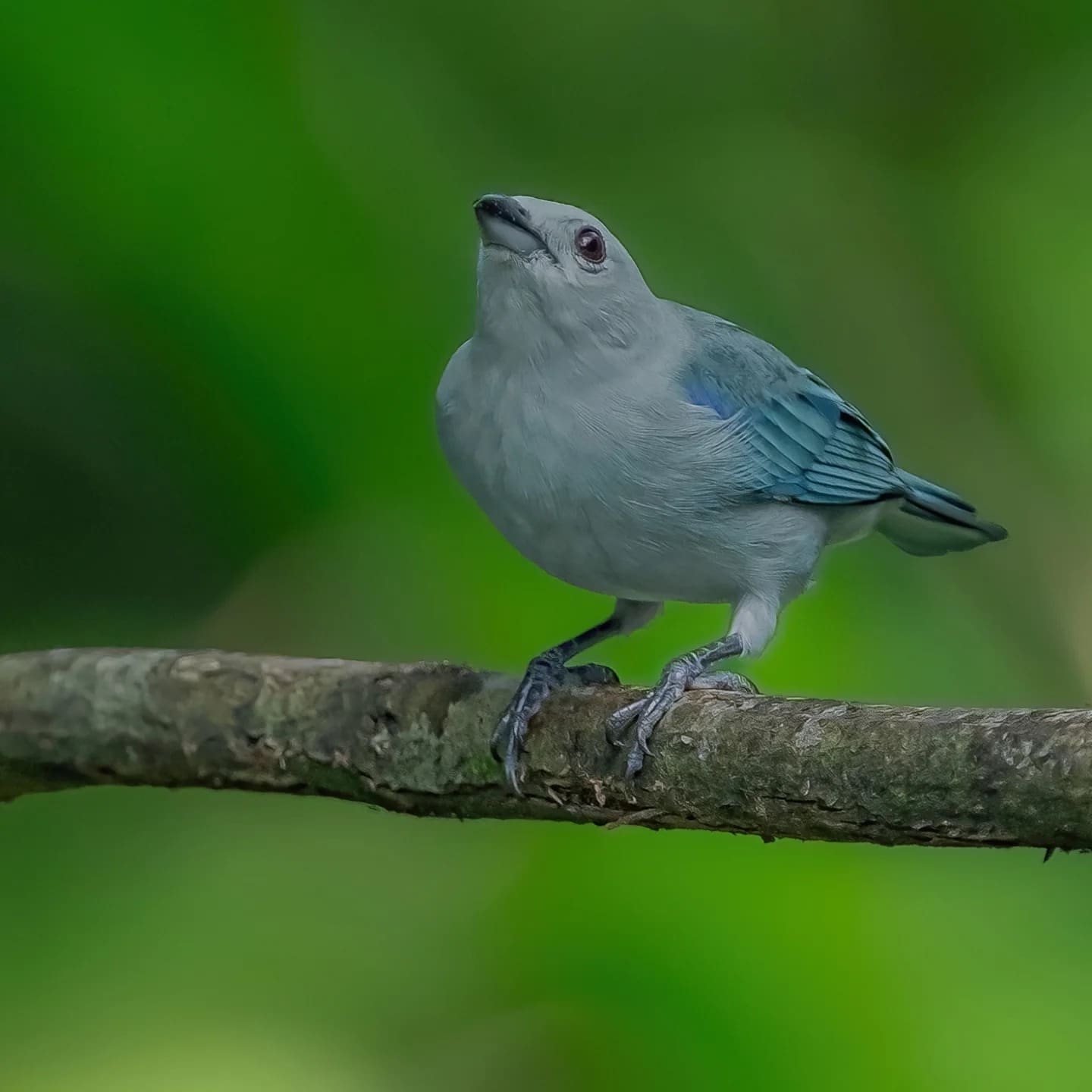
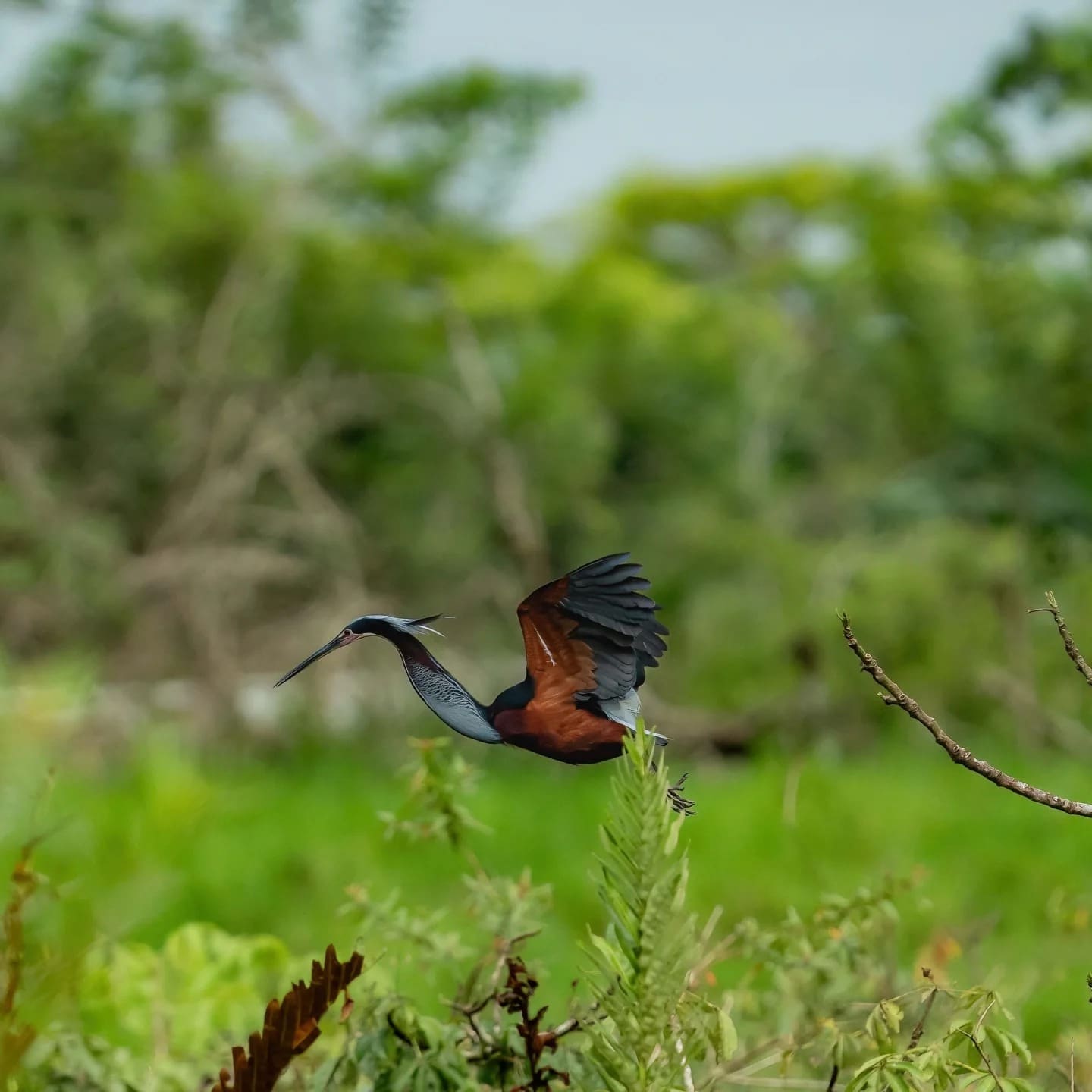
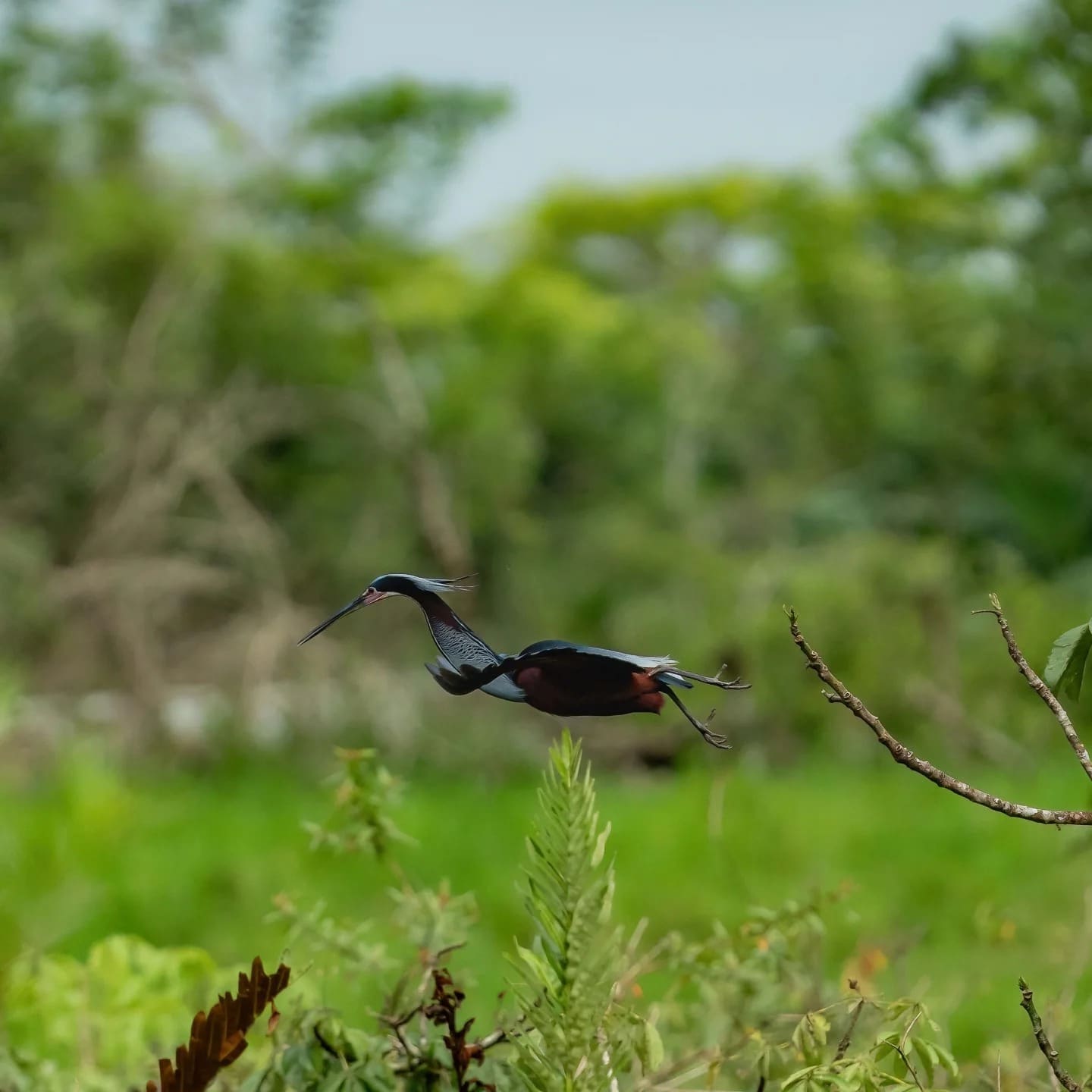
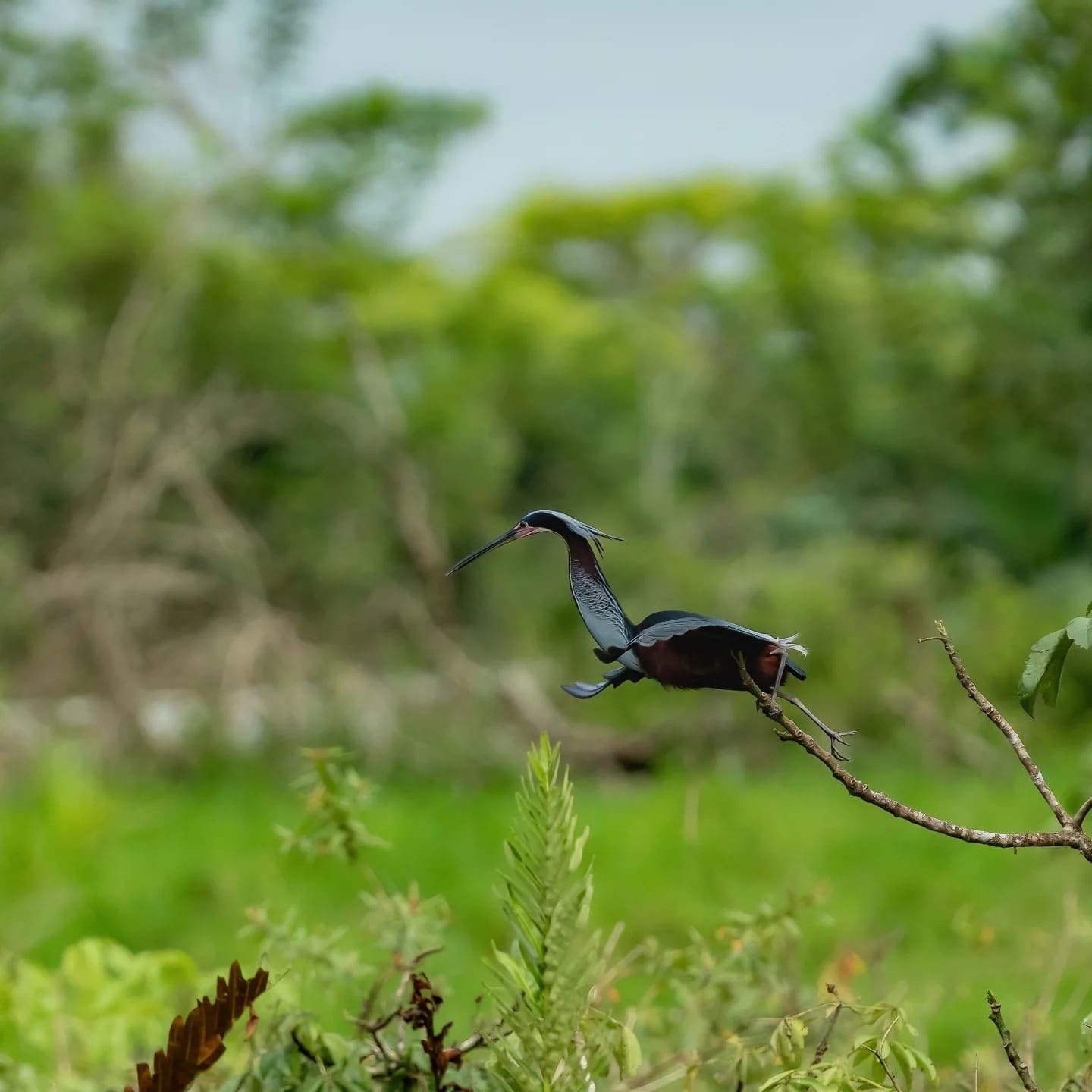
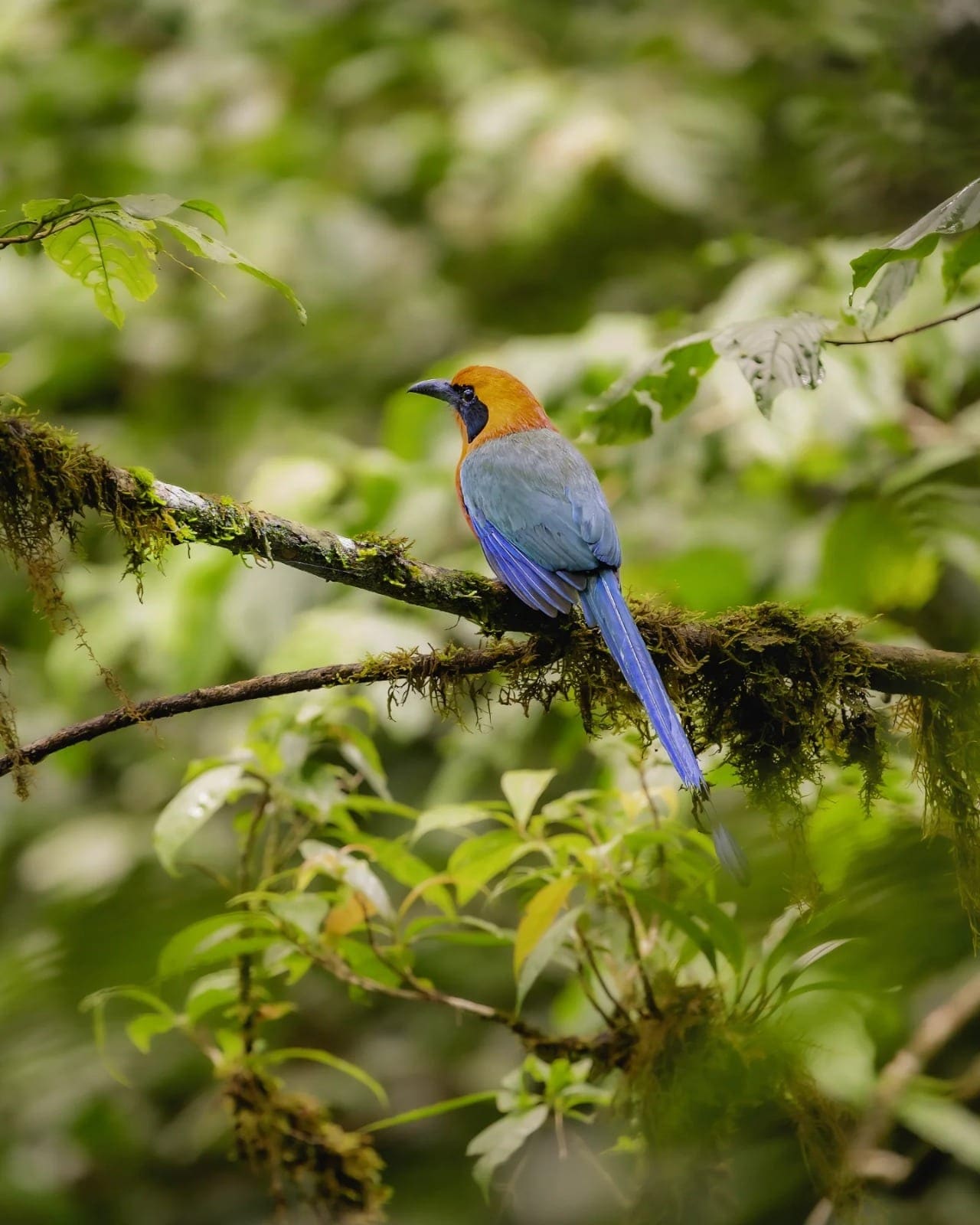
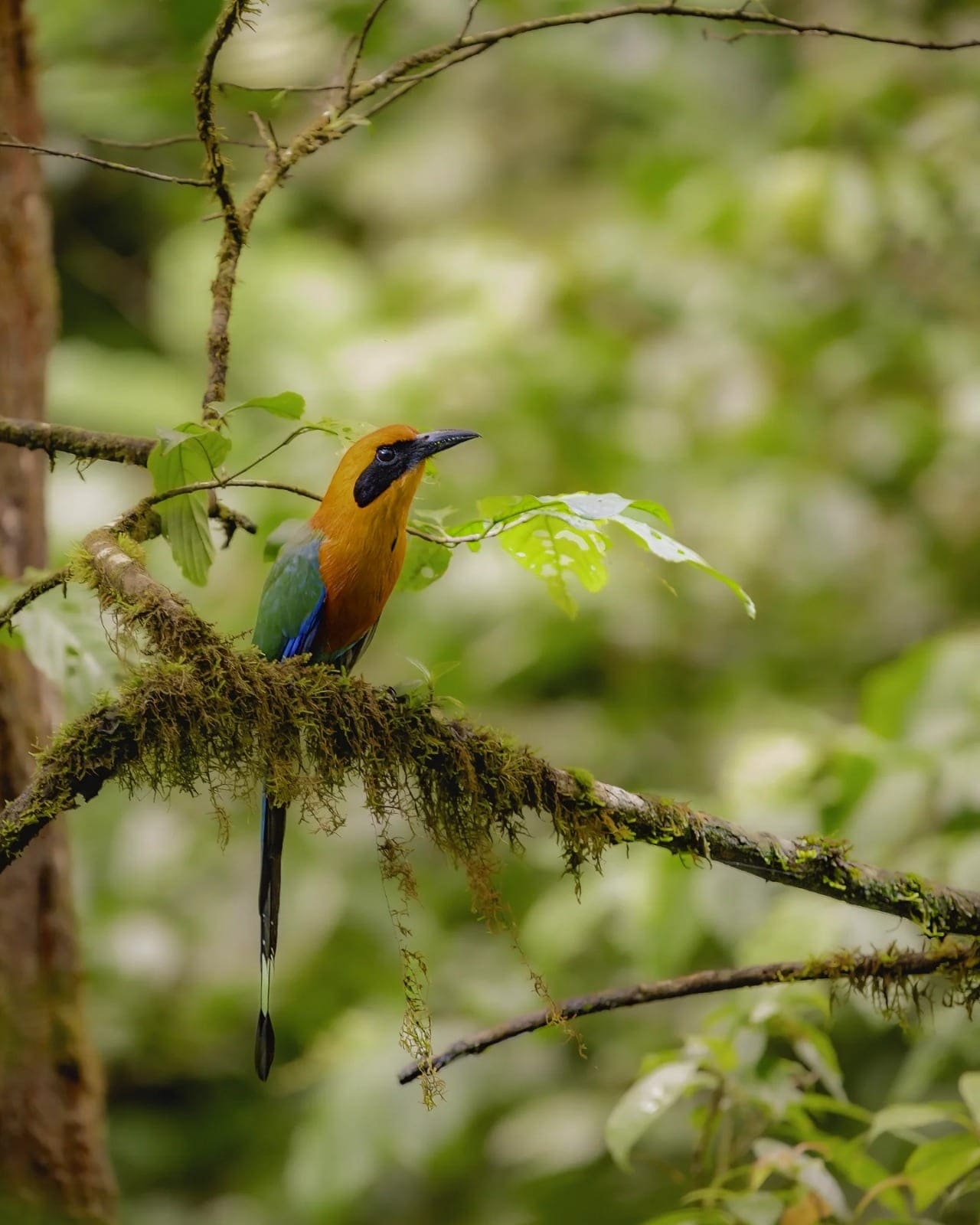
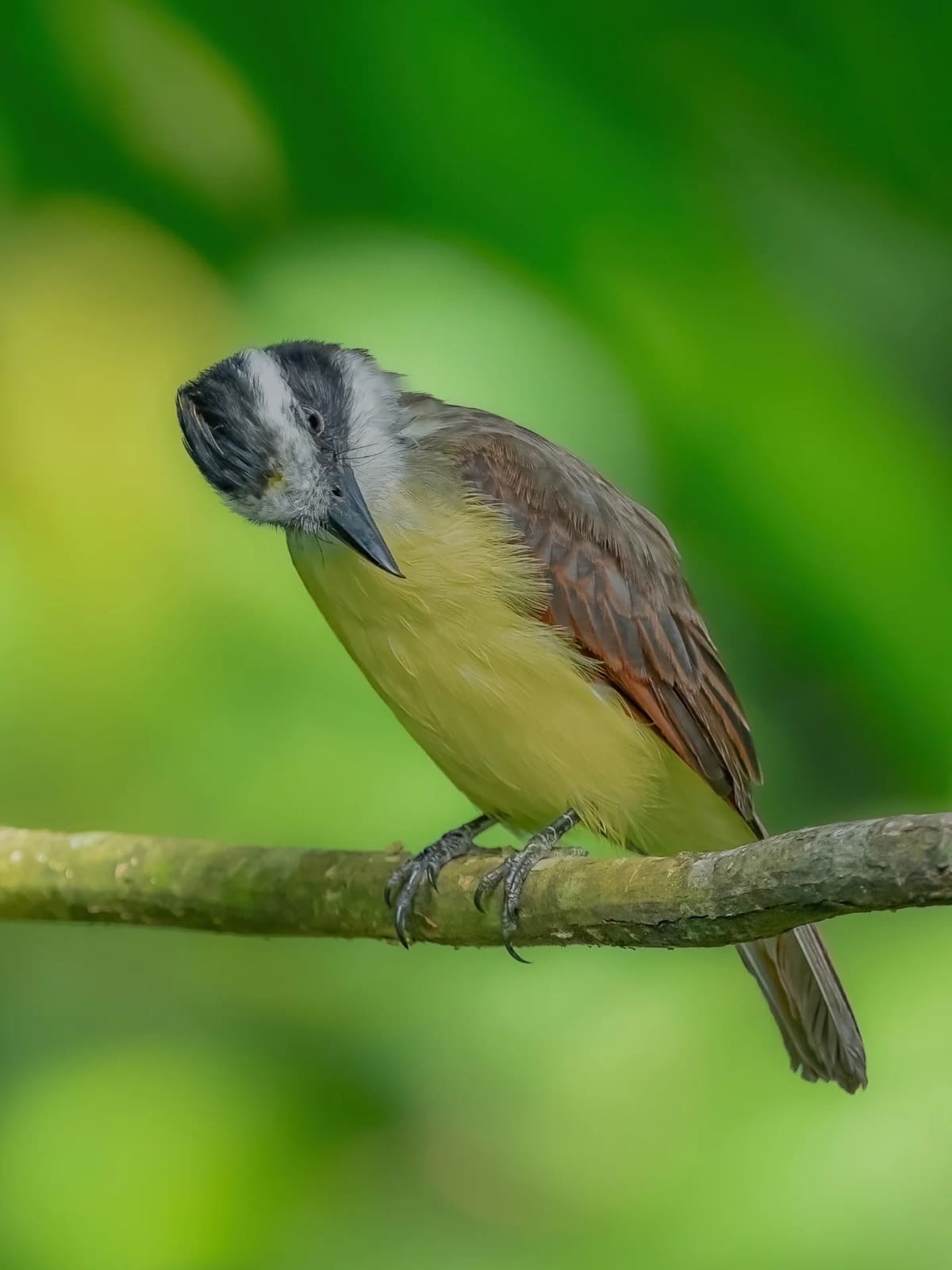
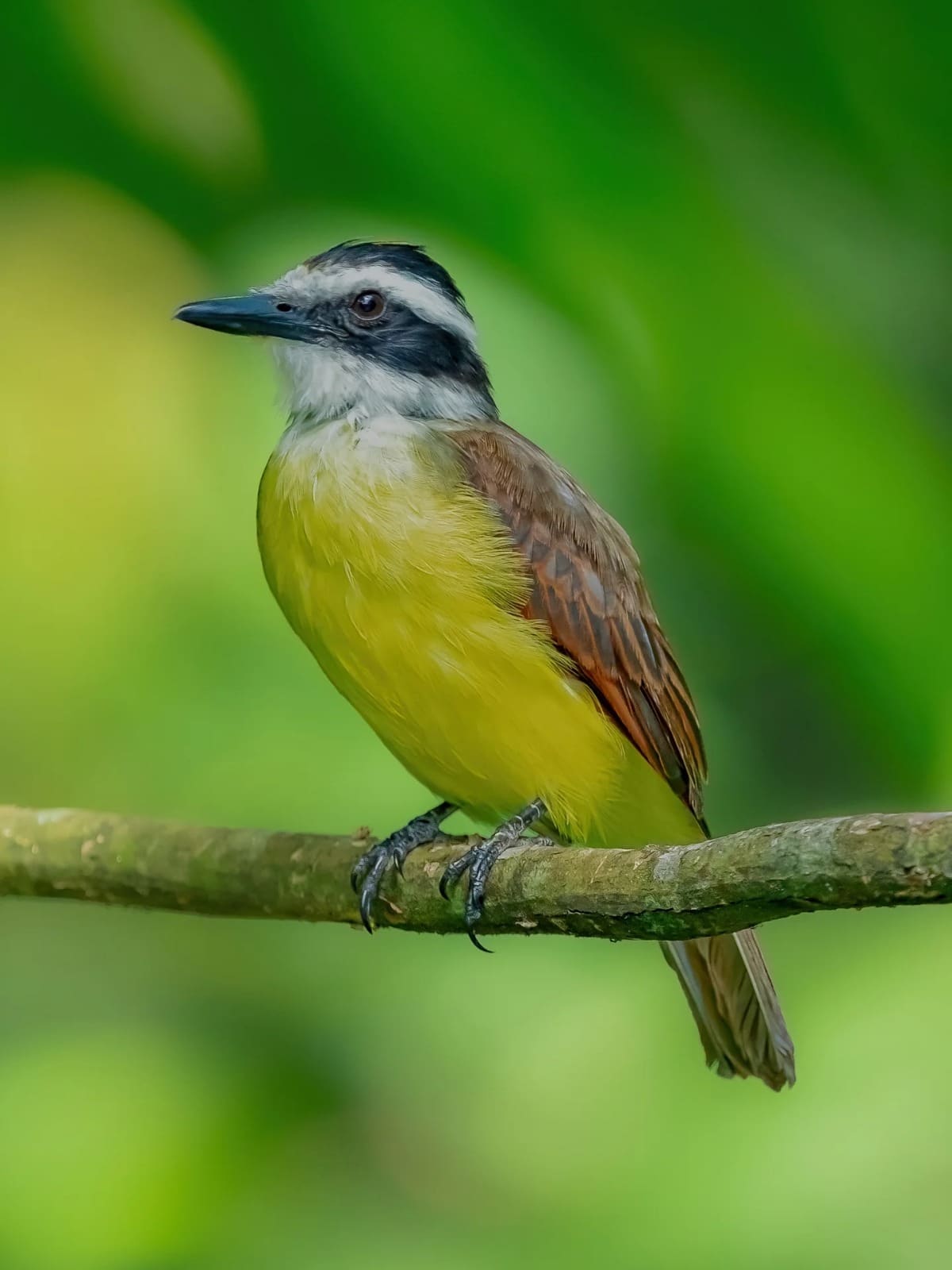
A photography morning is planned around light and perch quality, so the schedule is tighter than a birding walk and the group stays smaller.
Most photographers base in La Fortuna for two or three nights and add a Boca Tapada extension. Road legs between both zones are quoted on our Transfers page. See transfer options
Sessions ranked by how much control you get over light and position: