
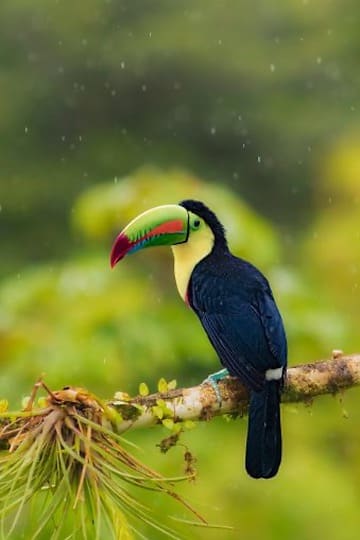
Arenal Observatory – Birding & Wildlife Walk
Dawn birding at one of Arenal's richest habitats — toucans, trogons, hummingbirds and mixed flocks with a specialist naturalist guide.
3 hours
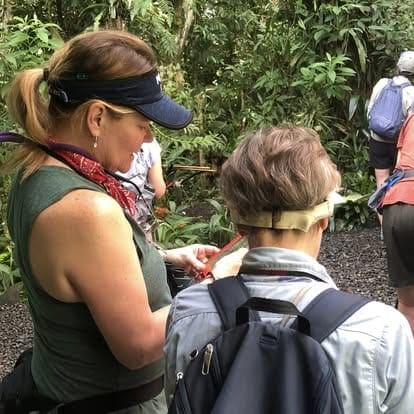
Arenal & La Fortuna·Arenal & La Fortuna
Four habitats within an hour of town, a guide who carries the scope, and mornings planned around when the birds are actually active.
Tell us your level and dates — we answer with a route, not a catalogue.
La Fortuna sits where Caribbean lowland forest climbs into the volcanic foothills, so a single morning can move from wetland edge to secondary growth to mature forest without a long drive. That compression is why the area returns strong lists without asking you to relocate every night.
Our birding departures leave before first light, keep group size small enough that everyone reaches the scope, and follow the guide's read of the morning rather than a fixed loop. Beginners get patient identification; listers get targeted stops for the species still missing.
Wetland and lagoon edge for herons, jacanas and kingfishers; regenerating forest for manakins, motmots and antbirds; the Arenal Observatory road for mid-elevation tanagers and raptors; and open river corridor for swallows, kites and the occasional Sunbittern.
Peak vocal activity runs from roughly 5:20 to 8:30, with a second, quieter window after 15:30. We start early, walk slowly, and stop for as long as a bird stays workable — a three-hour walk usually covers less than two kilometres.
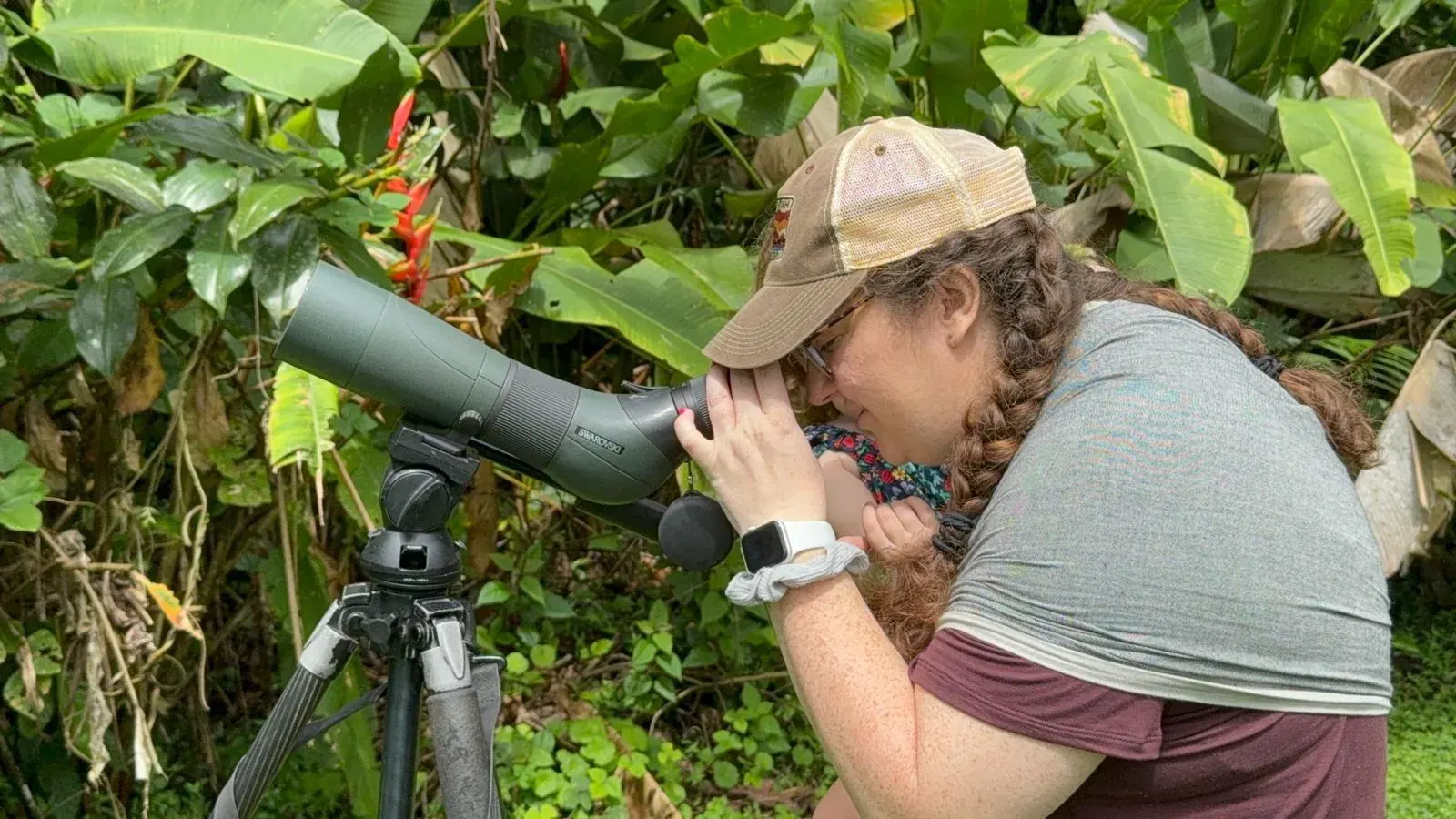
Guides carry a spotting scope and share it as standard, so distant perched raptors and canopy tanagers become real observations rather than silhouettes. Tell us your level when you book: first-time birder, casual lister, or someone chasing specific lowland targets. We adjust the route, not the promise.
Resident diversity holds all year. Between October and April northern migrants add warblers, thrushes and raptor passage. Green-season mornings are frequently the clearest of the day, with rain arriving after the birding window has already closed.
Observation-first departures, ordered by how much ground and habitat variety each one covers:
Dawn birding at one of Arenal's richest habitats — toucans, trogons, hummingbirds and mixed flocks with a specialist naturalist guide.
3 hours

Relaxed boat tour through one of Costa Rica's richest wetlands, ideal for families and wildlife lovers
~2 hours (boat) + transport
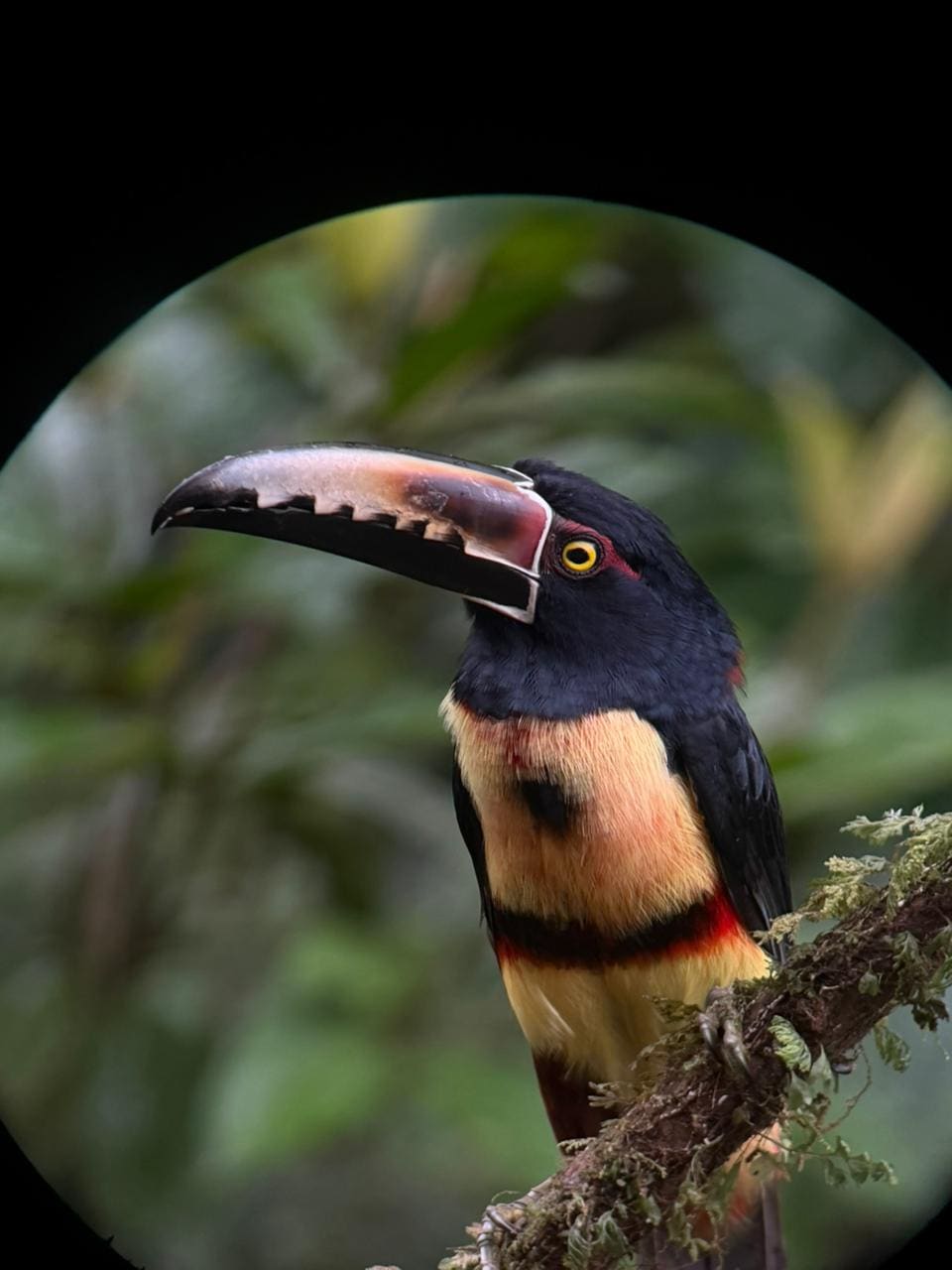
Specialist birdwatching through wetlands and regenerating rainforest — Spectacled Owls, trogons and 100+ species possible in one morning.
2–3 hours
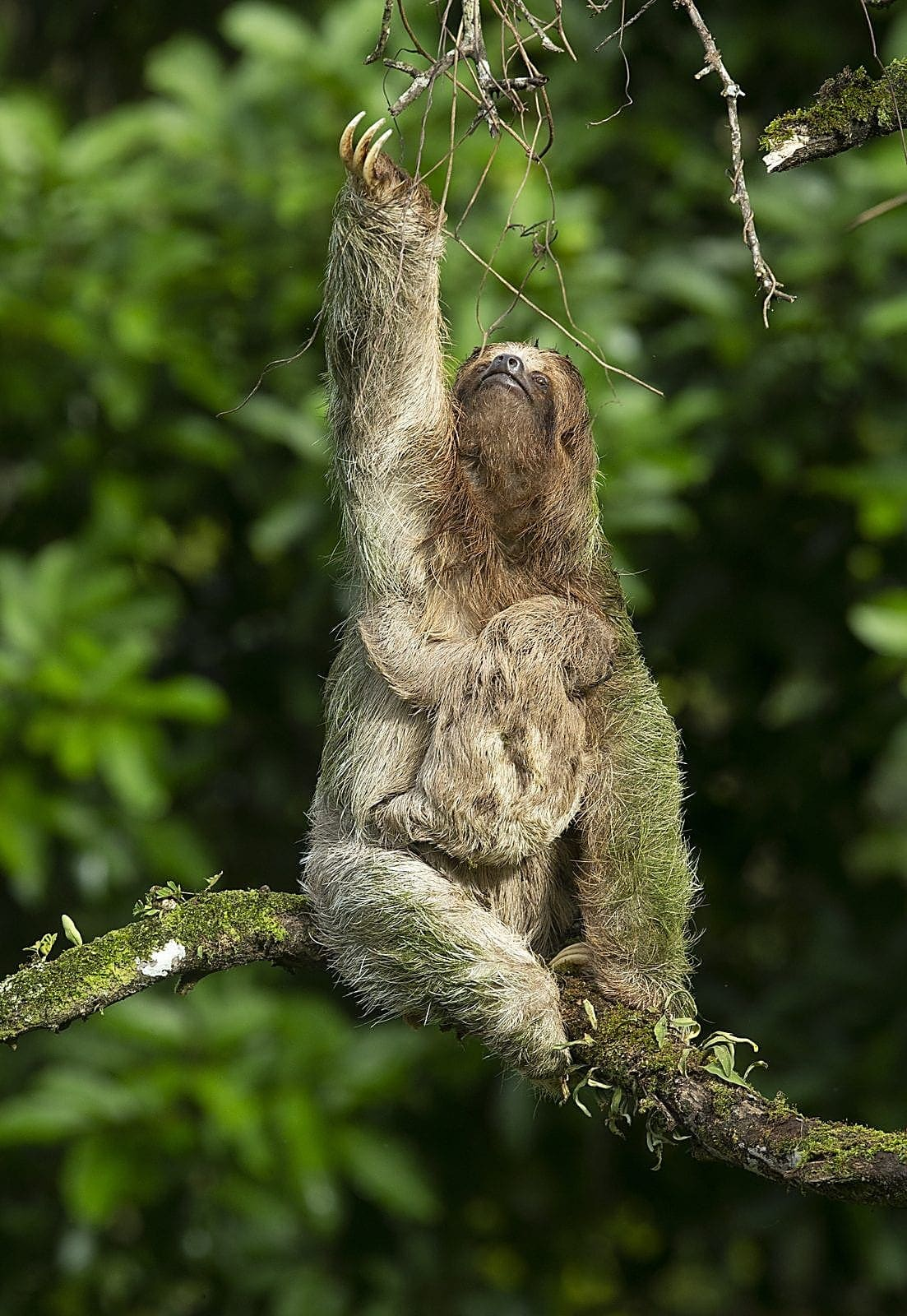
Almost-guaranteed sloth sightings, trogons and easy wildlife photography on La Fortuna's most beloved trail.
2 hours

Everything below assumes a hotel inside La Fortuna or along the lake road; anything further out shifts the pickup earlier rather than the birding later.
Coming from San José or Liberia the same day rarely works for a dawn start — arrive the evening before. We can arrange the road leg on our Transfers page. See transfer options
Observation-first departures, ordered by how much ground and habitat variety each one covers: