
Written by VIVO Expeditions Editorial Team
Why Costa Rica Is a Photography Powerhouse
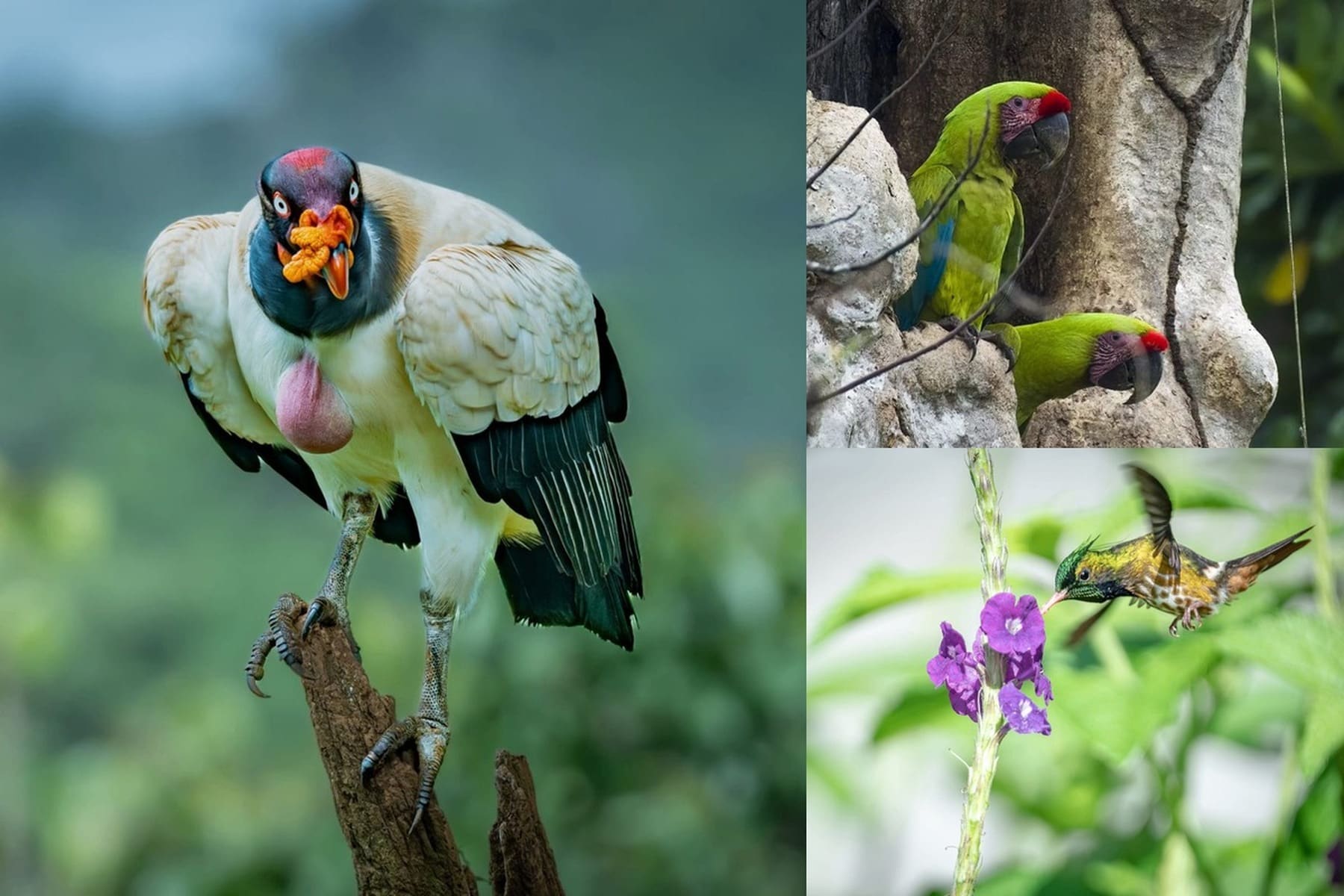
Few destinations pack this density of photogenic species into such small distances: red-eyed tree frogs, resplendent quetzals, great green macaws, three sloth species, six toucan species, jaguars (rarely), and over 920 bird species — all reachable in week-long trips. Add dramatic volcanic and rainforest scenery and you have a portfolio destination that doesn't require expedition-level logistics.
The Bogarin Trail — Sloth and Bird Portraits
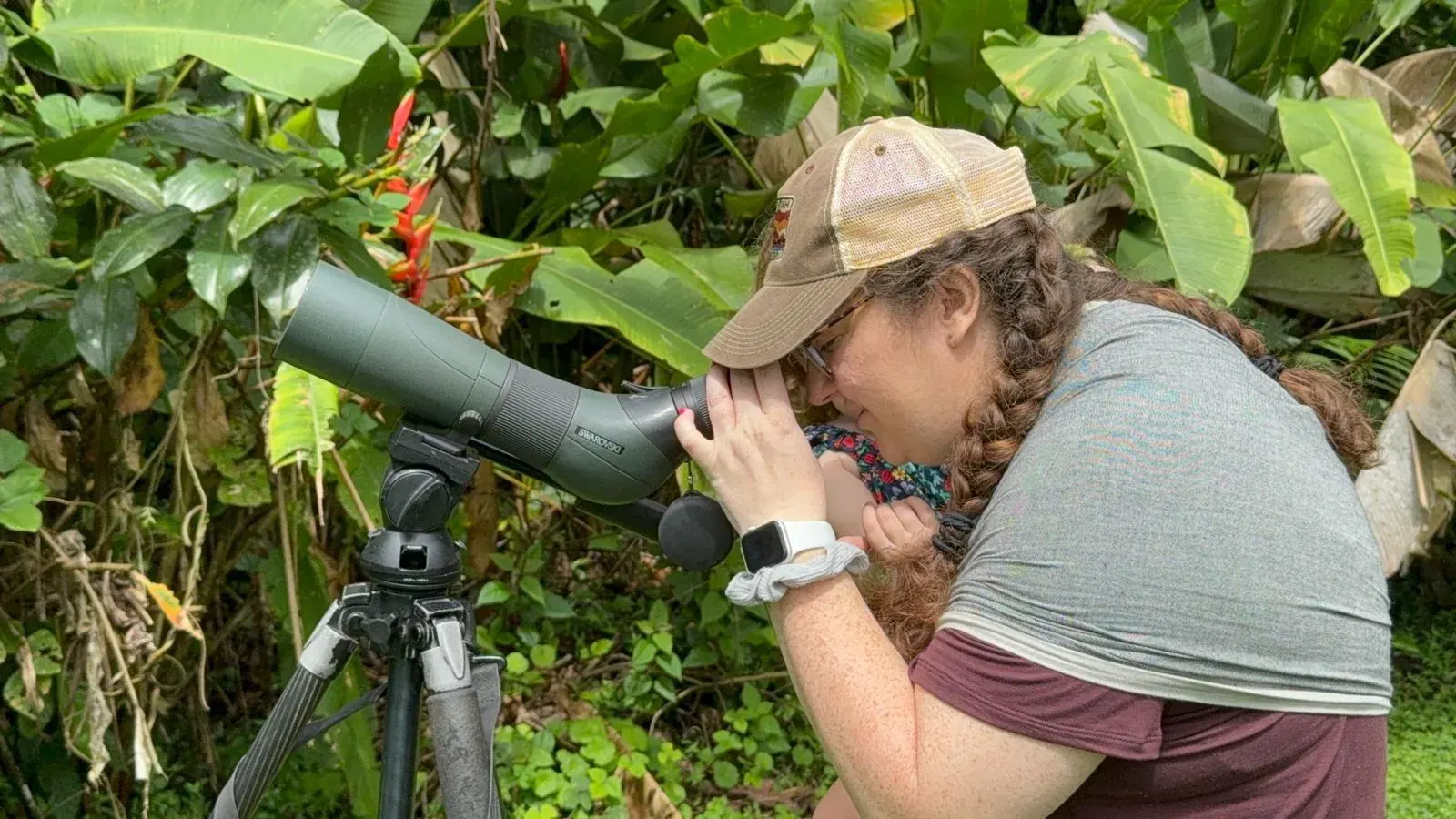
For close-frame mammal portraits, nothing in our area rivals Bogarin. Sloths are routinely 5–10 m away at canopy level, allowing 400–600 mm lenses to fill the frame. Mornings are best for soft light; the wetland section delivers herons and motmots that often perch within 3 m. Our guides know each resident sloth by location.
View Tour Details Boca Tapada — The Macaw and Lowland Specialist
If your portfolio needs flagship Neotropical species — great green macaws, snowy cotingas, broad-billed motmots, white-fronted nunbirds — Boca Tapada is the answer. We coordinate with private lodges that maintain canopy hides and feeders within shooting distance. Plan for full days; the drive is part of the trip.
View Tour Details Arenal Observatory — Volcano Scapes + Birds
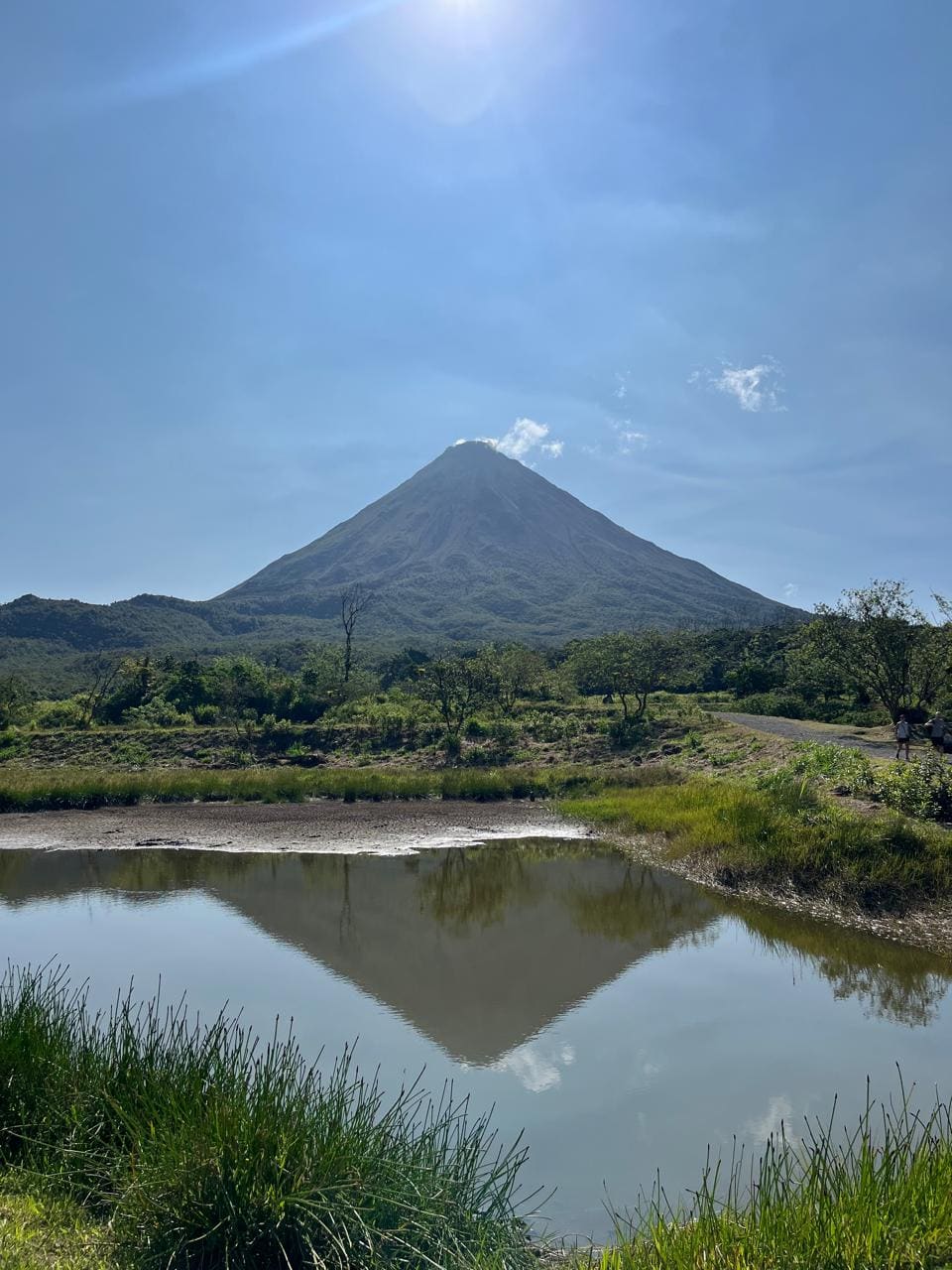
The only lodge in Costa Rica with primary forest, manicured trails and a continuously active volcano in the same frame. Dawn shoots from the property deliver the iconic Arenal silhouette; the trail system and feeders host hummingbirds (multiple species), aracaris and oropendolas at point-blank range.
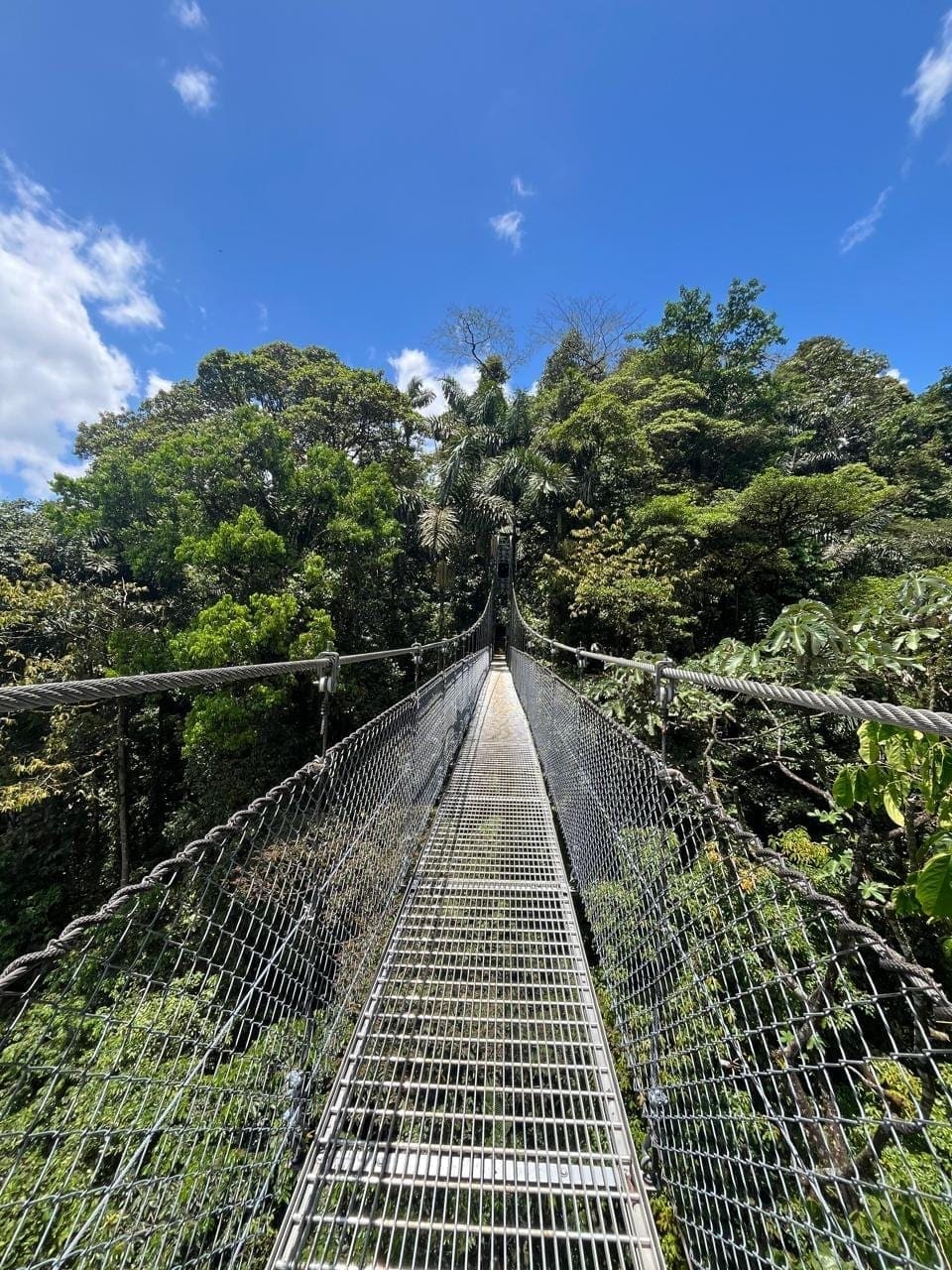
View Tour Details Mistico Bridges — Canopy-Level Compositions
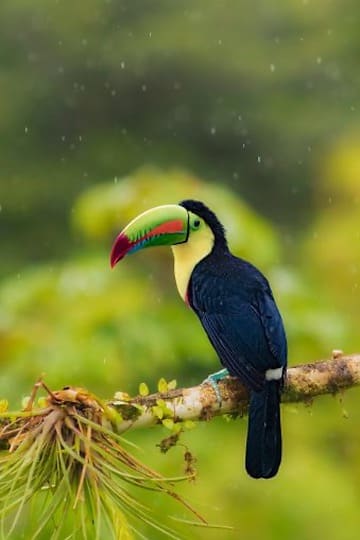
Most rainforest photography happens looking up at silhouettes against a bright sky. The hanging bridges flip the angle: you shoot across or down into the canopy, with diffused light and natural backgrounds. Excellent for environmental portraits of toucans and eagles in their actual habitat.
View Tour Details Gear We Recommend for Costa Rica
• Bodies: weather-sealed, two if you can — humidity is brutal
• Lenses: 100–400 / 150–600 zoom + 24–70 for landscape and frog macro; 500–600 prime for serious birders
• Flash: off-camera with diffuser for frogs at night (never bare flash at sleeping birds)
• Tripod: carbon fiber, low and light — many trails are uneven
• Protection: dry bag, silica packs, microfiber, lens raincoat
• Cards: double the capacity you think you need
Light and Timing
Cloud forest equals diffused light most hours — surprisingly forgiving. The hardest light is harsh midday sun in open areas (volcano viewpoints, hot springs). Plan rainforest sessions for 5:30–9:00 AM and 3:30–5:30 PM; reserve midday for travel or hot springs scouting. Night walks for amphibians and reptiles are a different photographic discipline entirely and worth dedicating one full evening.
Ethics in the Field
A great photo is never worth stressing an animal. Our standards: no flash on sleeping birds or eyes of nocturnal species at close range; no baiting; no playback abuse for territorial birds; keep distance from active nests; follow the guide's call when subjects show stress. Costa Rica's wildlife thrives partly because most photographers here respect these limits — keep that culture alive.
Workshops vs Custom Photo Tours
Multi-day photo workshops work best when (a) the group shares a skill level and (b) the schedule is locked around target species. For most travelers, a custom 1-on-1 or 1-on-2 tour with a naturalist + photographer guide produces better images per day at lower cost. We do both — and will tell you honestly which fits your goals.
Frequently Asked Questions
What camera gear should I bring for a Costa Rica photography trip?
A weather-sealed body, a 100-400mm or 150-600mm telephoto lens, and a macro lens for frogs and insects cover most situations.
Is Boca Tapada worth the extra travel time for photography?
Yes, it's the best place to photograph flagship species like the Great Green Macaw and Agami Heron that aren't found in the Arenal highlands.
What's the best light for rainforest photography?
Early morning (5:30-9:00 AM) and late afternoon (3:30-5:30 PM) offer the best diffused light, while midday sun is harsh in open areas.
How do I plan a custom photography trip?
We design custom itineraries around target species, your gear, and the best light windows of the season — message us to get started.
Planning a Costa Rica photography trip? We design custom itineraries around target species, your gear, and the best light windows of the season.
Free planning · No commitment · Local expert guidance
Continue
Related Tours
Boca Tapada – Full Day Bird Photography Tour
- Full day (~12 hrs)
- Boca Tapada / Laguna Lagarto
Bogarín Trail – Sloths & Wildlife Tour
- 2 hours
- Bogarín Trail / Sloth Paradise
Arenal Observatory – Birding & Wildlife Walk
- 3 hours
- Arenal Observatory Lodge & Trails
Mistico Hanging Bridges – Wildlife Walk
- 2.5–3 hours
- Mistico Hanging Bridges