
Written by VIVO Expeditions Editorial Team
What "Wildlife Tour" Really Means in Costa Rica
Wildlife tours in Costa Rica fall into three categories: (1) trail walks through private reserves with a naturalist guide and a spotting scope; (2) river or boat safaris where animals come to the water; and (3) night walks for nocturnal species. The best operators combine 1 and 3 in a 24-hour window — same habitat, two completely different cast lists. Avoid any "tour" that promises guaranteed sightings of specific animals: ethical guides describe probabilities, not certainties.
Bogarin Trail — The Highest Sloth Density in Costa Rica
Bogarin in La Fortuna is the single best place we know to see two-toed and three-toed sloths up close, often three or four in a single morning. The trail is flat and accessible, the wetland section adds toucans, motmots and boat-billed herons, and a trained guide with a scope turns it into a true experience. 2-hour walks at sunrise are the gold standard.
View Tour Details Peñas Blancas Safari Float — Wildlife at Eye Level
The Peñas Blancas River is a calm-water float (no rapids, no paddling) where howler monkeys, white-faced capuchins, iguanas, caimans, kingfishers and Jesus Christ lizards appear on the banks within meters of the raft. Because the boat moves silently, sightings are closer and longer than from any trail. Best with a bilingual naturalist who pulls out a scope.
View Tour Details Caño Negro Wildlife Refuge — Costa Rica's Hidden Pantanal
Two hours north of La Fortuna sits Costa Rica's most underrated wildlife destination: a Ramsar-protected wetland where over 350 bird species, spectacled caimans, river otters and three monkey species cluster around the Río Frío. Half-day boat safaris during the dry season (Jan–April) deliver the kind of density most people associate with the Amazon.
View Tour Details Boca Tapada — Great Green Macaws in the Wild
For travelers who want to see what untouched Costa Rica still looks like, Boca Tapada on the Nicaraguan border is essential. This is one of the only places on Earth where the critically endangered great green macaw can still be reliably seen flying free, alongside snowy cotingas, mealy parrots and a healthy population of mantled howler monkeys. Requires a full day and a 4WD vehicle.
View Tour Details Mistico Hanging Bridges — Wildlife from the Canopy
The hanging bridges at Mistico put you eye-level with the rainforest canopy — the layer where most of the action actually happens. Toucans, sloths, eyelash pit vipers and dozens of bird species become visible from a perspective ground-level trails simply cannot offer. Early-morning guided walks are dramatically better than self-guided afternoon visits.
View Tour Details Night Walks — The Other Half of the Forest
At least 50% of rainforest species are nocturnal. A 2-hour guided night walk at Ecocentro Danaus or a similar private reserve will reveal red-eyed tree frogs, kinkajous, sleeping toucans, tarantulas, eyelash vipers, and porcupines — none of which appear on daytime tours. If you are only going to add one extra activity to your trip, make it this.
View Tour Details When to Visit for Wildlife
• December–April (dry season): easier trails, animals concentrate near water, best for Caño Negro
• May–August (green season): lush forest, frogs and reptiles peak, fewer tourists, lower prices
• September–November (wet season): highest rainfall, but resident wildlife is unaffected and accommodations are cheapest
• Migratory birds peak November–April
How to Choose an Ethical Operator
Costa Rica has strict wildlife laws, but enforcement varies. Choose operators that: (1) never feed, bait or touch wild animals; (2) employ ICT-certified naturalist guides; (3) limit group sizes to 6–8; (4) work with private reserves that pay landowners for conservation. Avoid any tour that promises monkey contact, sloth holding, or feeding wild birds — these are red flags and almost always illegal.
Frequently Asked Questions
What's the best wildlife tour in La Fortuna for first-timers?
The Bogarin Trail is our top recommendation — flat, accessible, and with the highest sloth density we know of in Costa Rica.
How do I choose an ethical wildlife tour operator?
Look for operators that never feed or bait animals, employ ICT-certified naturalist guides, and limit group sizes to 6-8 people.
What's the best time of year to see wildlife in Costa Rica?
Dry season (December-April) concentrates animals near water sources, while green season (May-August) brings peak amphibian and reptile activity.
How do I build a wildlife-focused itinerary?
Our naturalist guides design it personally — no algorithms, no upsells. Message us with your travel dates and interests.
Want a wildlife-focused itinerary built around your travel dates and interests? Our naturalist guides design it personally — no algorithms, no upsells.
Free planning · No commitment · Local expert guidance
Continue
Related Tours
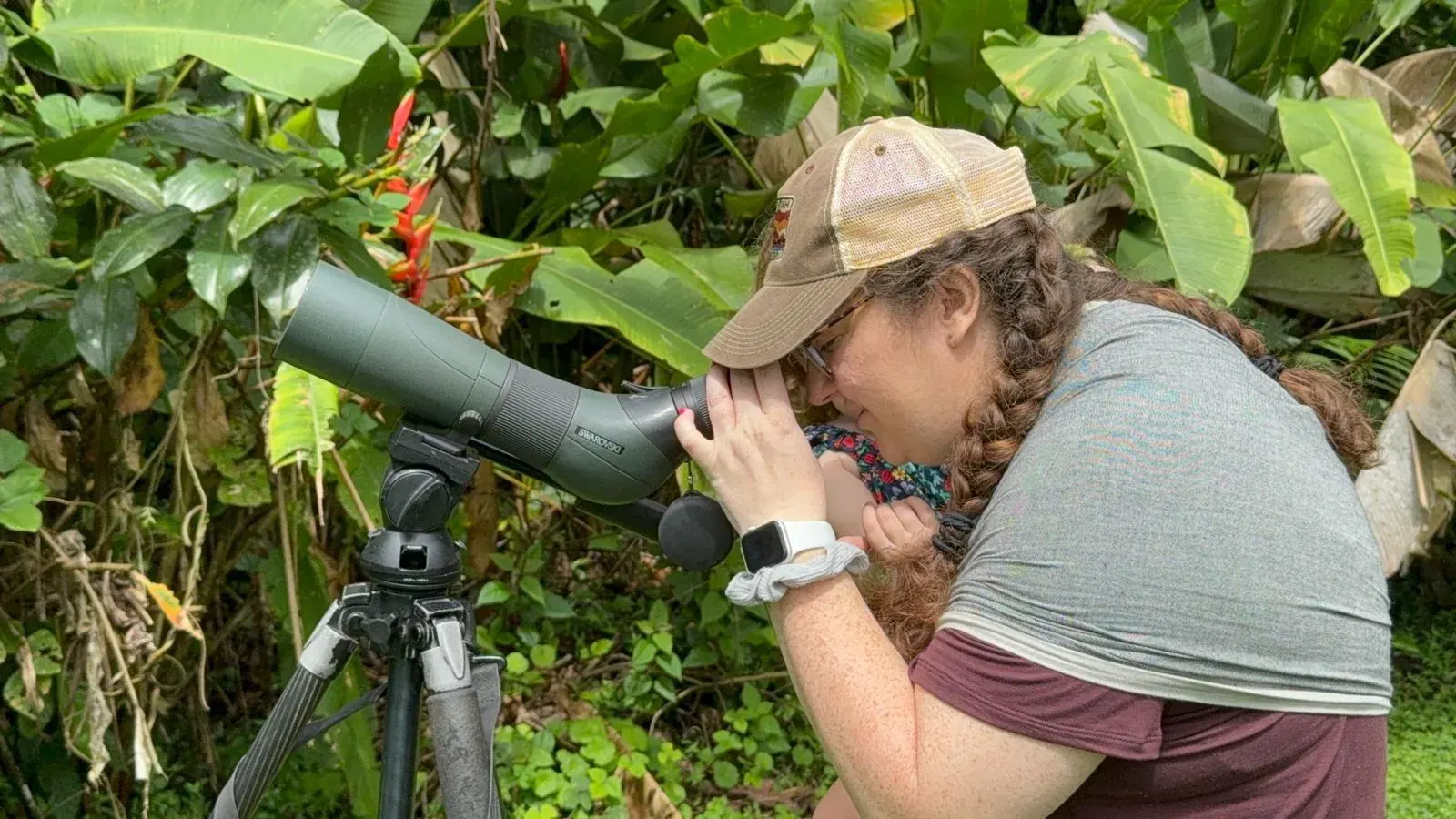
Bogarín Trail – Sloths & Wildlife Tour
- 2 hours
- Bogarín Trail / Sloth Paradise
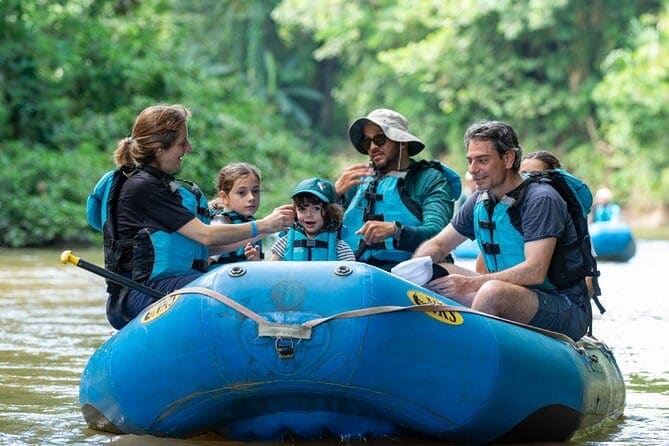
Safari Float – Peñas Blancas River
- 2–2.5 hours
- Peñas Blancas River
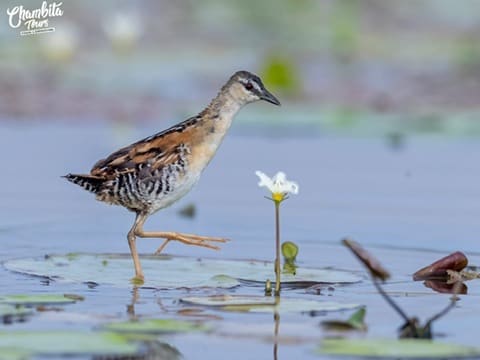
Caño Negro Wildlife Tour
- ~2 hours (boat) + transport
- Caño Negro Wildlife Refuge
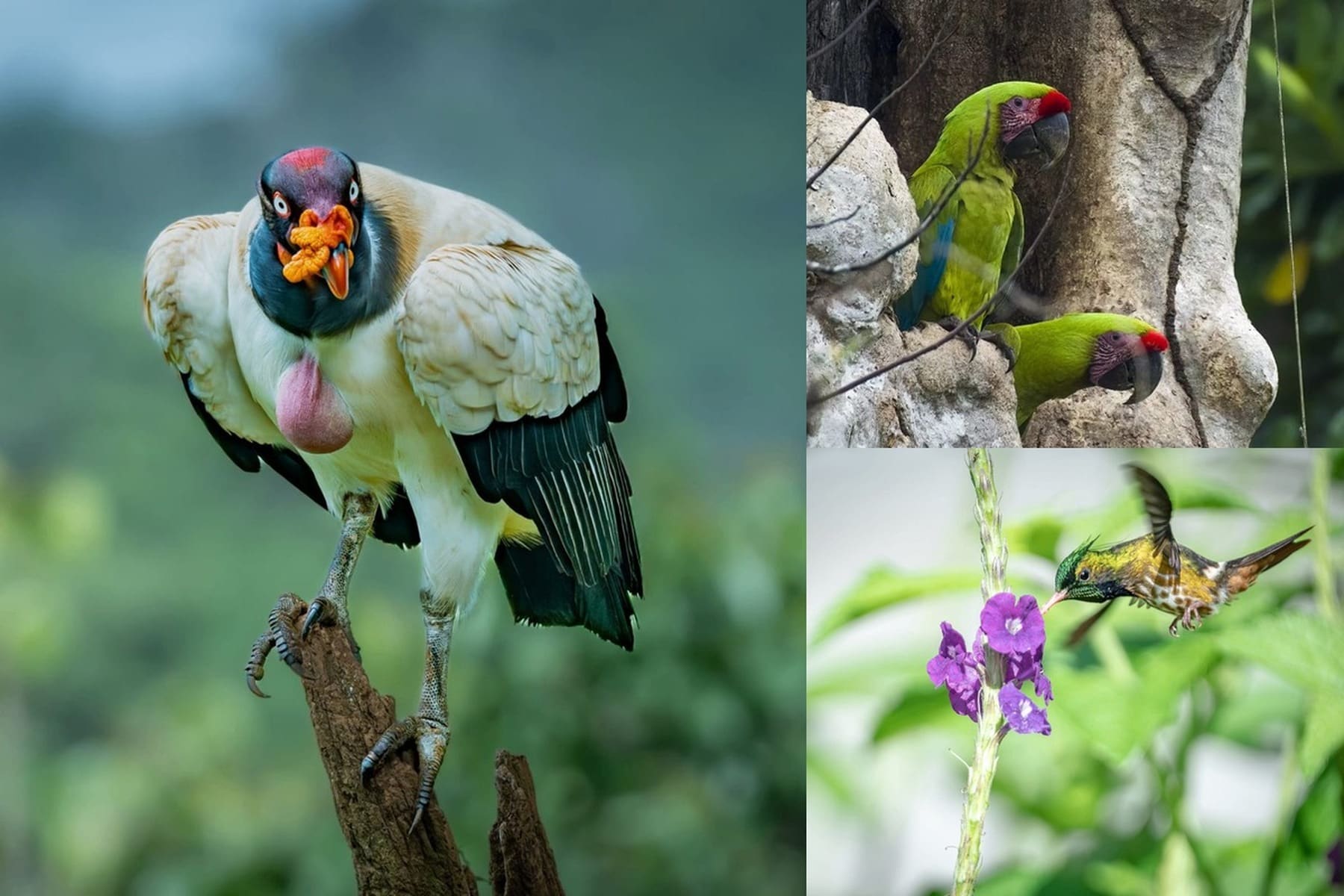
Boca Tapada – Full Day Bird Photography Tour
- Full day (~12 hrs)
- Boca Tapada / Laguna Lagarto