
Written by VIVO Expeditions Editorial Team
Reviewed by Elías Peña — Wildlife Photographer · Naturalist · Founder · Operations Lead
Do jaguars live in the Arenal region?
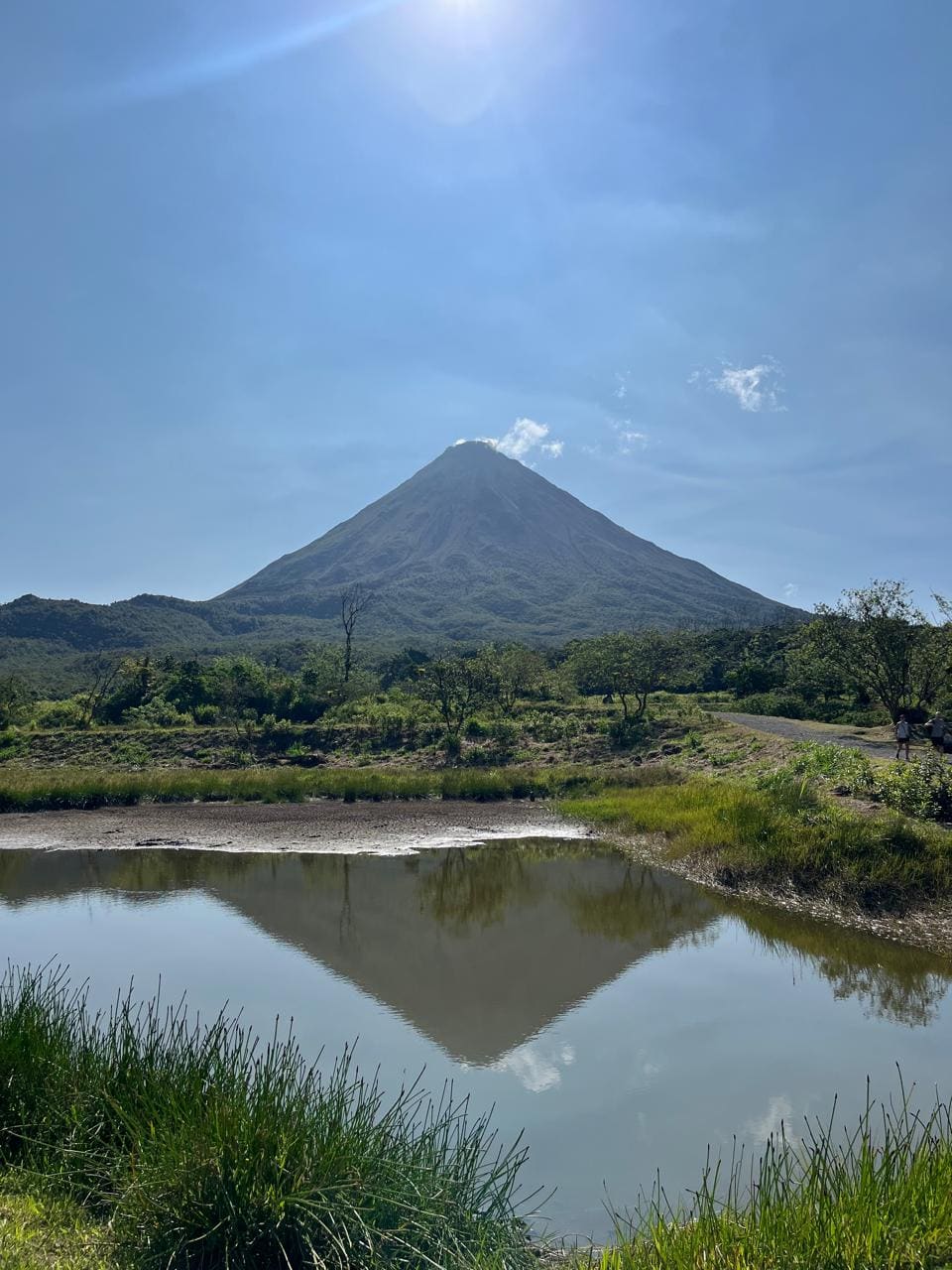
Costa Rica is home to jaguars, pumas, ocelots, margays and jaguarundis, mostly concentrated in larger, more remote protected areas such as Corcovado National Park on the Osa Peninsula. The Arenal-La Fortuna area is a mosaic of forest reserves, farmland and tourism infrastructure, which is not the type of large, continuous wilderness these cats generally need. Some sign of big cats, such as tracks, has occasionally been documented in nearby forest corridors, but this does not mean cats are commonly present in the areas visitors walk.
Why sightings are exceptionally rare, not "hidden"
Jaguars and pumas are naturally elusive, solitary and mostly nocturnal, and they actively avoid human activity. Even in the parks with the strongest known cat populations, researchers who spend months in the field with camera traps rarely see a live cat in person. Around La Fortuna, where trails are shared with regular guided groups, the odds of a chance encounter are lower still. We do not have and will not quote a population figure for the region — reliable, current counts are not something we can responsibly provide, and anyone offering a precise number should be treated with caution.
What VIVO guides can honestly promise
Our naturalist guides are trained to read forest signs, interpret animal behavior and put you in the right habitat at the right time of day for what is realistically present — sloths, monkeys, birds, frogs, and reptiles are the everyday highlights around La Fortuna. A big cat sighting is not something any guide, anywhere in Costa Rica, can guarantee or plan around. We will never claim that a VIVO photograph shown to you was taken of a jaguar near Arenal; if a photo of a jaguar appears in our galleries, it documents the species elsewhere in the country, not a local encounter.
General good practice around wildlife, cats included
If you are hiking in Costa Rica, sensible habits apply everywhere, not because an encounter is expected but because they are simply good practice. Stay with your guide and on marked trails, never approach or feed any wildlife, keep noise reasonable, and follow the instructions given at each reserve. We deliberately do not publish a step-by-step "what to do if you meet a jaguar" protocol, because presenting one would suggest an encounter is a normal possibility on a standard tour, which it is not.
Where a jaguar sighting is genuinely more plausible
If seeing a wild cat, even at low odds, is a priority for you, remote lowland rainforest with larger tracts of protected habitat gives better theoretical odds than the more developed Arenal corridor. Areas connected to Boca Tapada's forest reserves sit in a wilder landscape than downtown La Fortuna, though a sighting there also remains rare rather than likely. We can talk through realistic expectations for any specific itinerary before you book.
View Tour Details Enjoying what is actually reliable to see
Rather than planning a trip around a low-probability sighting, we recommend building your visit around the wildlife the region reliably delivers: sloths, a wide range of birds, poison dart frogs, and, after dark, a very different set of nocturnal species. Guided night walks are consistently one of the best ways to see active wildlife safely and with expert interpretation.
View Tour Details Curious what wildlife you can realistically expect on your trip? Send us your dates on WhatsApp and we will set honest expectations before you book any tour.
Free planning · No commitment · Local expert guidance
Continue
Related Tours
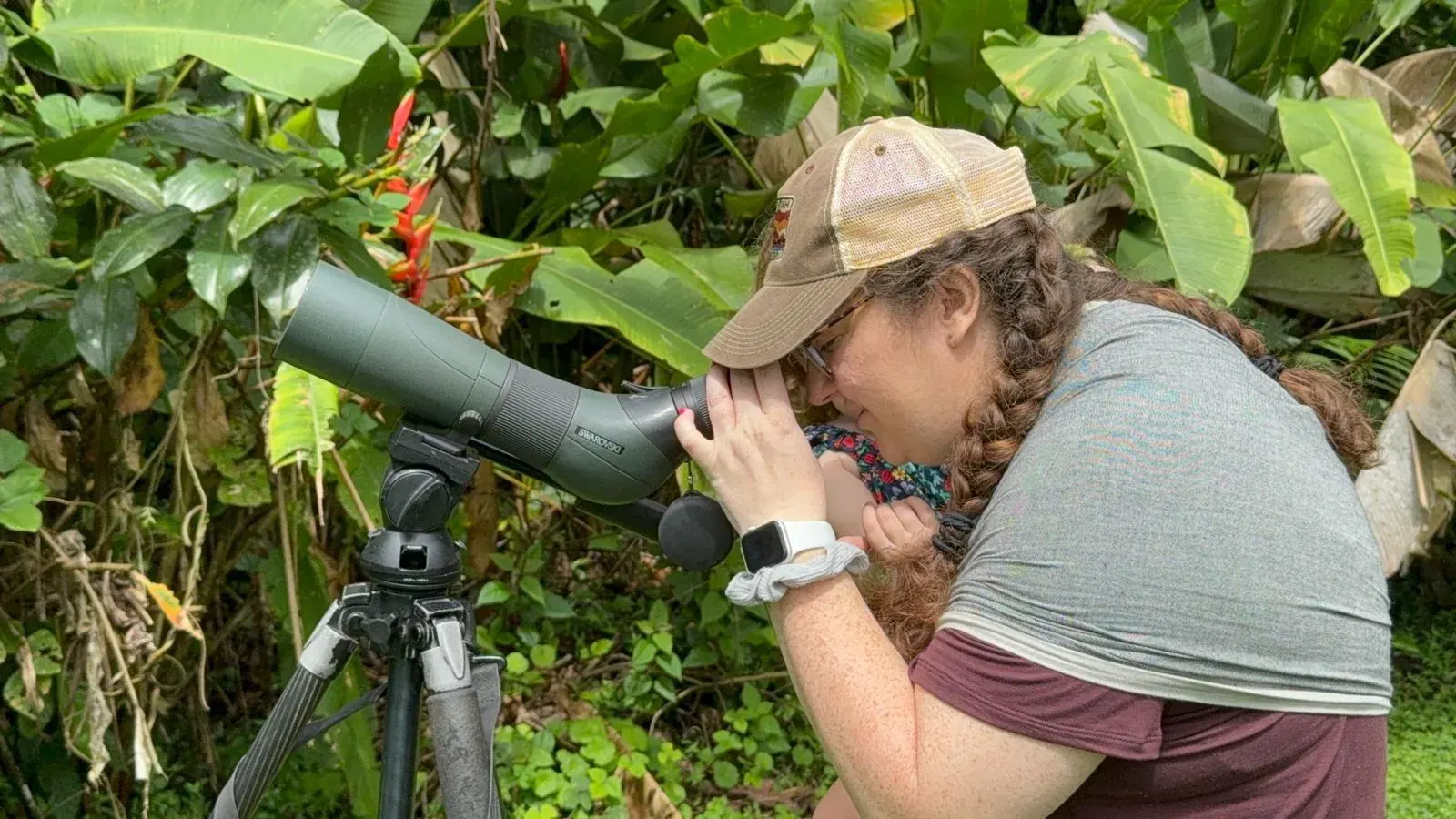
Bogarín Trail – Sloths & Wildlife Tour
- 2 hours
- Bogarín Trail / Sloth Paradise
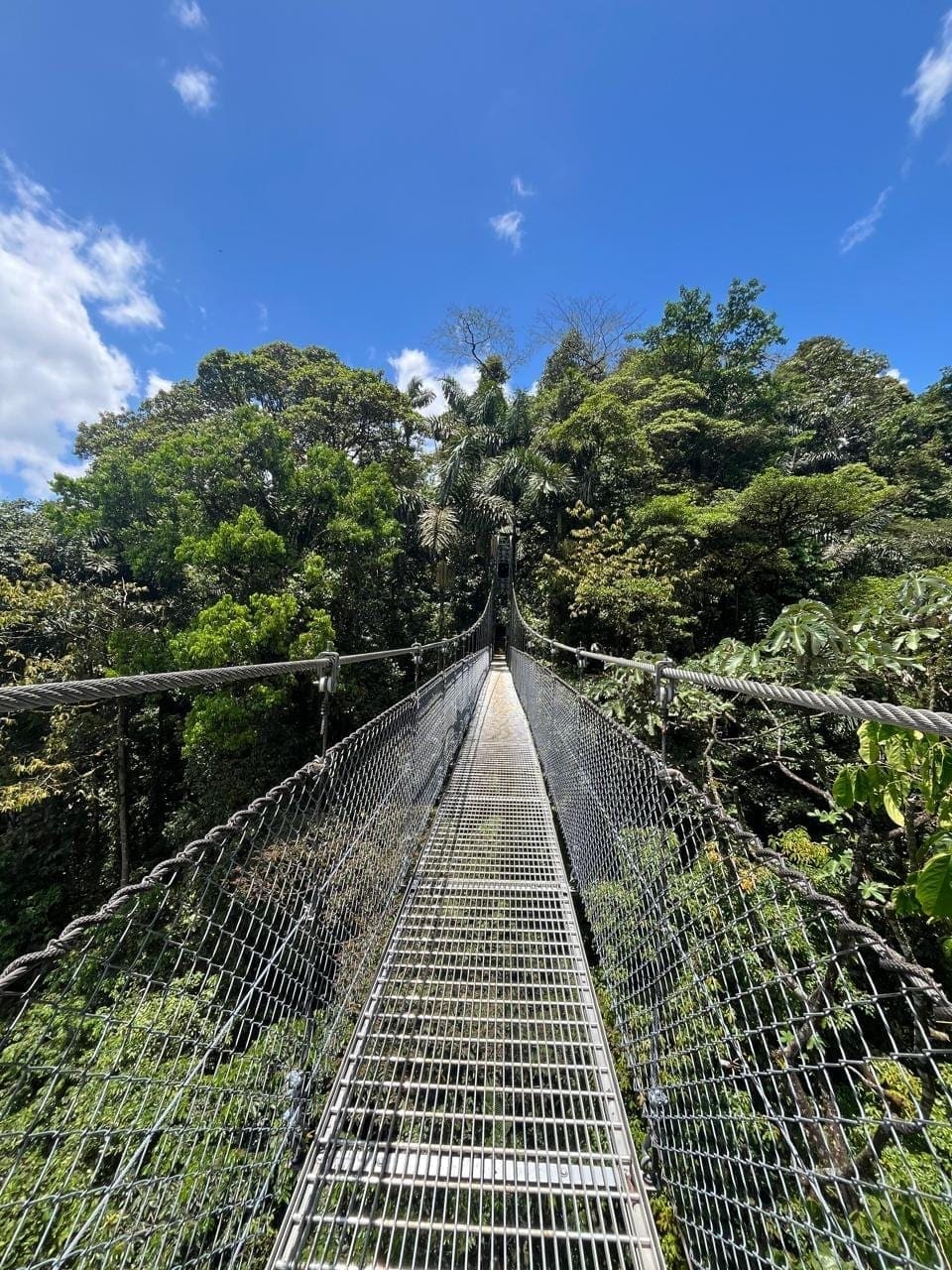
Mistico Hanging Bridges – Wildlife Walk
- 2.5–3 hours
- Mistico Hanging Bridges
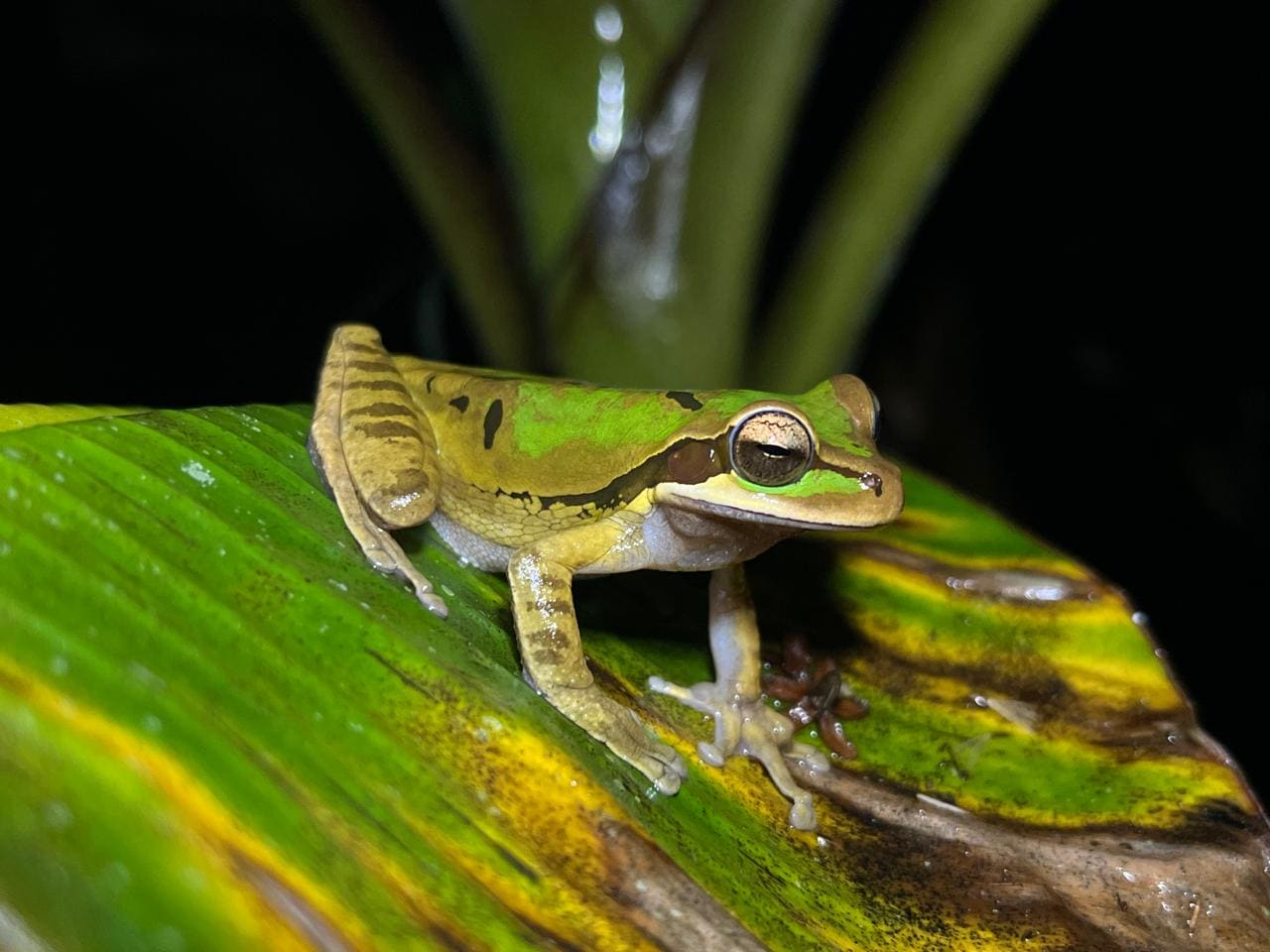
Papa's Place – Night Tour
- 2 hours
- Papa's Place – La Fortuna
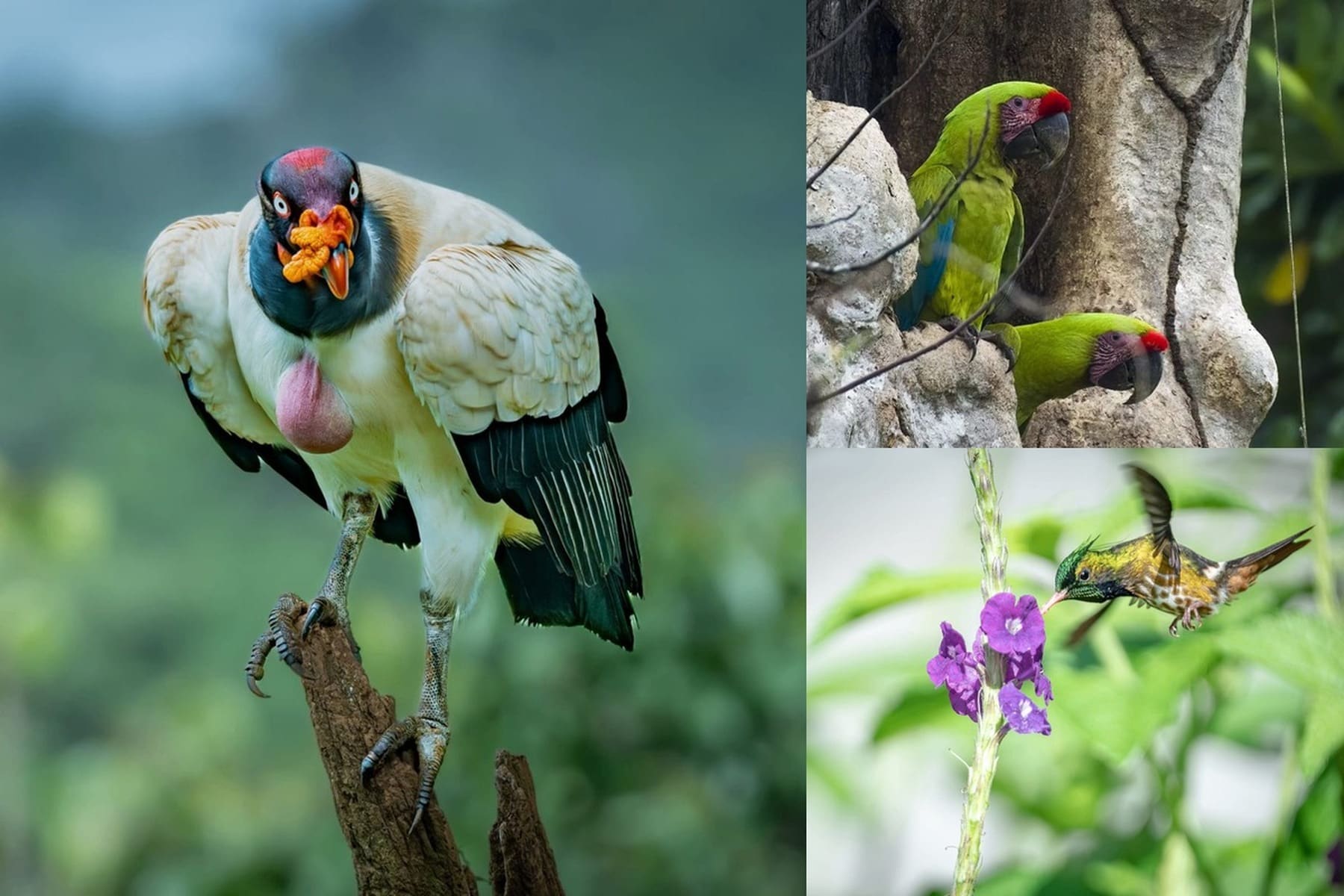
Boca Tapada – Full Day Bird Photography Tour
- Full day (~12 hrs)
- Boca Tapada / Laguna Lagarto