
Arenal · La Fortuna
Birds & rainforest wildlife, Arenal
Half or full day with a photographer guide around La Fortuna: toucans, motmots, sloths and raptors, worked at photography pace with light and background in mind.
- 400–600mm
- ISO 3200+
- Monopod
Wildlife photography · Costa Rica
Private departures led by guides who photograph the same species you came for — rainforest hides, night macro, hummingbird flash rigs and low-angle boat work across Arenal, Boca Tapada and Caño Negro.
Guests find us searching for Costa Rica photo tours, photography tours Costa Rica or the best wildlife photography spots in the La Fortuna area — and that is exactly what we run: half-day, full-day and multi-day photography departures from our own base in La Fortuna, including routes that combine Guanacaste dry forest with the northern rainforest.
Arenal · La Fortuna
Half or full day with a photographer guide around La Fortuna: toucans, motmots, sloths and raptors, worked at photography pace with light and background in mind.
Arenal · night
Diffused twin-flash macro after dark with a guide who finds red-eyed tree frogs, eyelash vipers and glass frogs before you have to search for them.
Arenal · La Fortuna
A four-to-five flash rig, dark backdrop and natural perch — frozen wings and clean colour. We bring and configure the setup; you bring the camera.
Caño Negro
Low-angle river work from a small boat: spectacled caimans, Jabiru, Anhinga, howler monkeys and reflections in the first light of the wetlands.
Boca Tapada
Purpose-built hides for King Vulture and forest species plus macaw nesting trees photographed from a respectful distance, with local landowner access.
Costa Rica
Target species, private transport and lodging planned around light: build a 3–10 day route across Arenal, Boca Tapada, Caño Negro and the Caribbean lowlands.
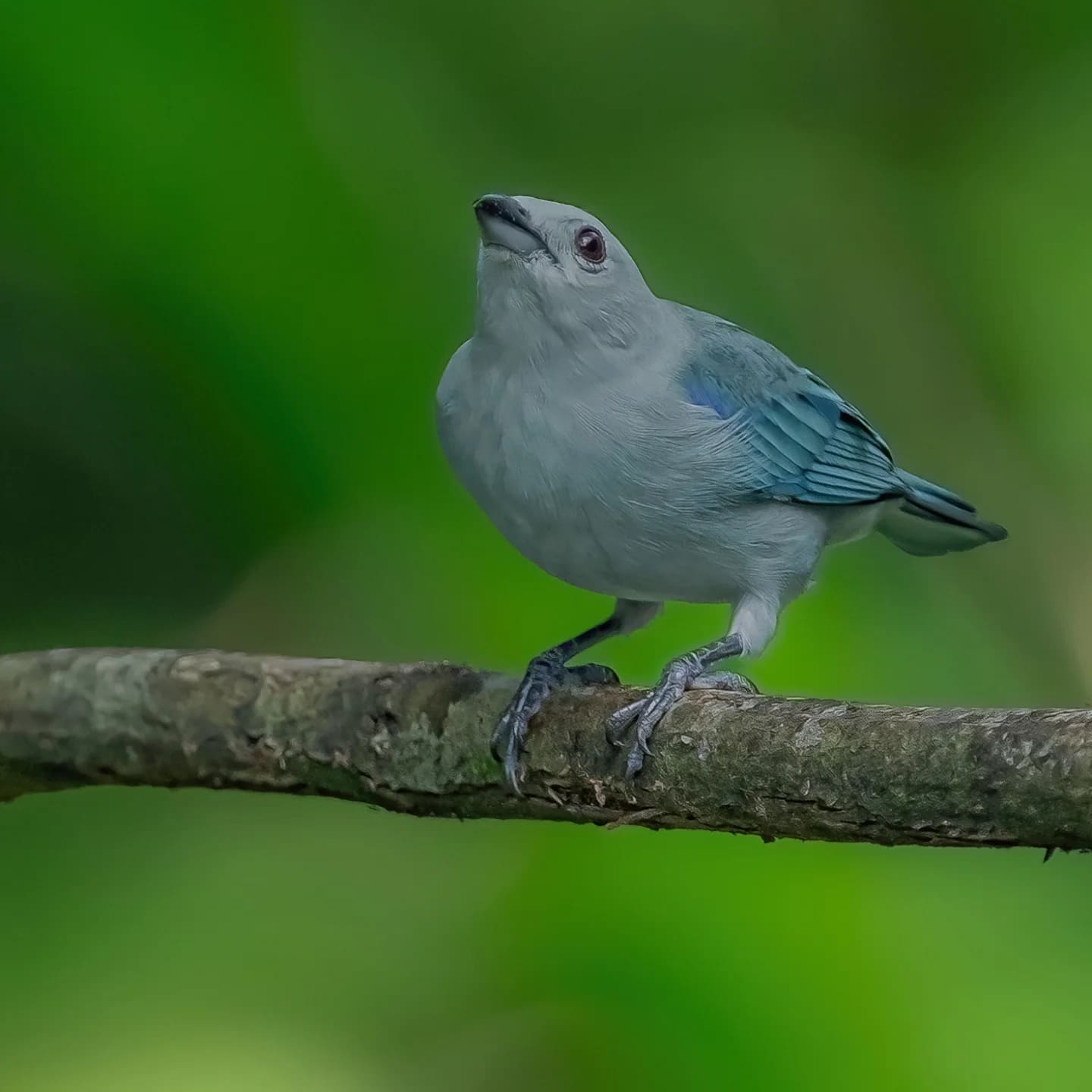
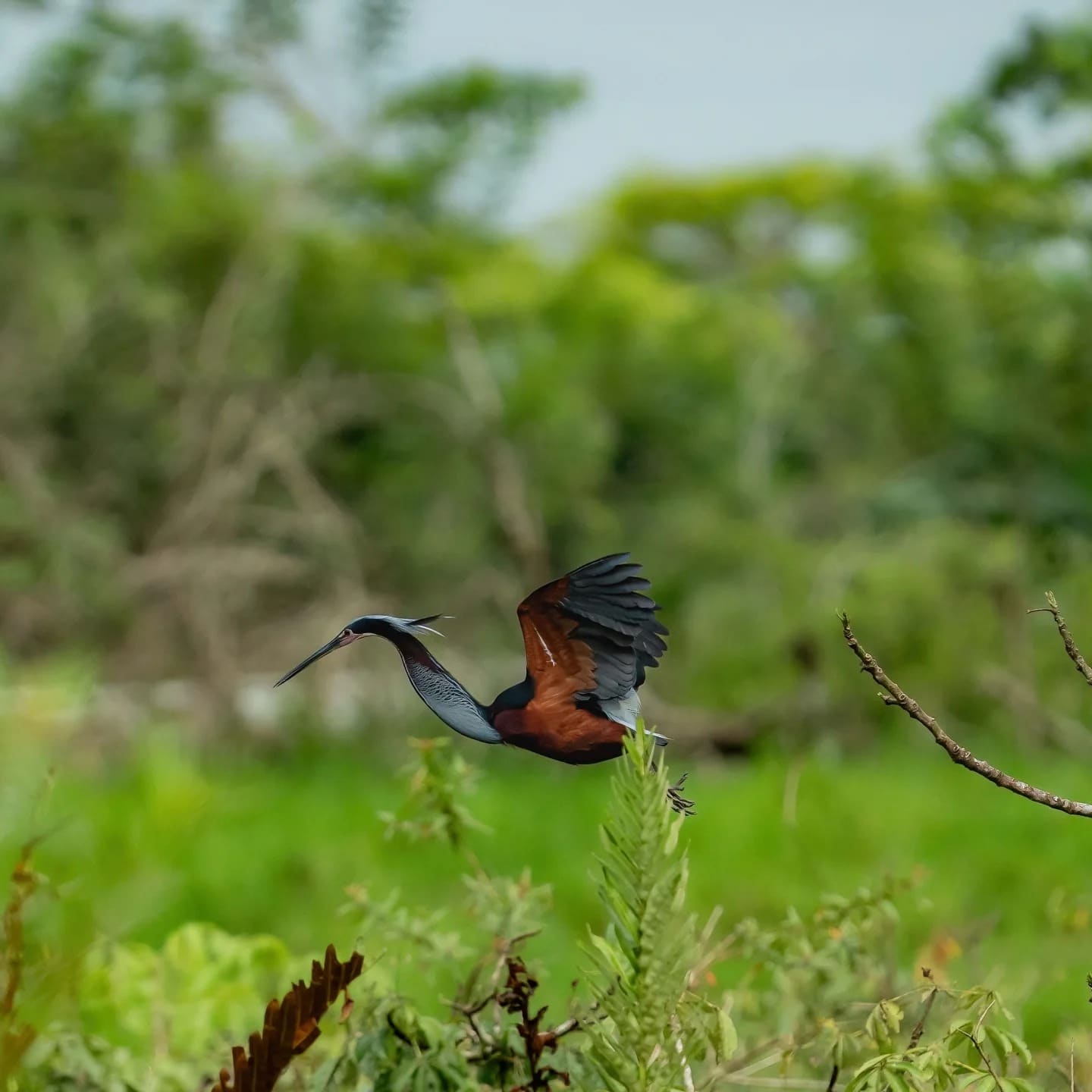
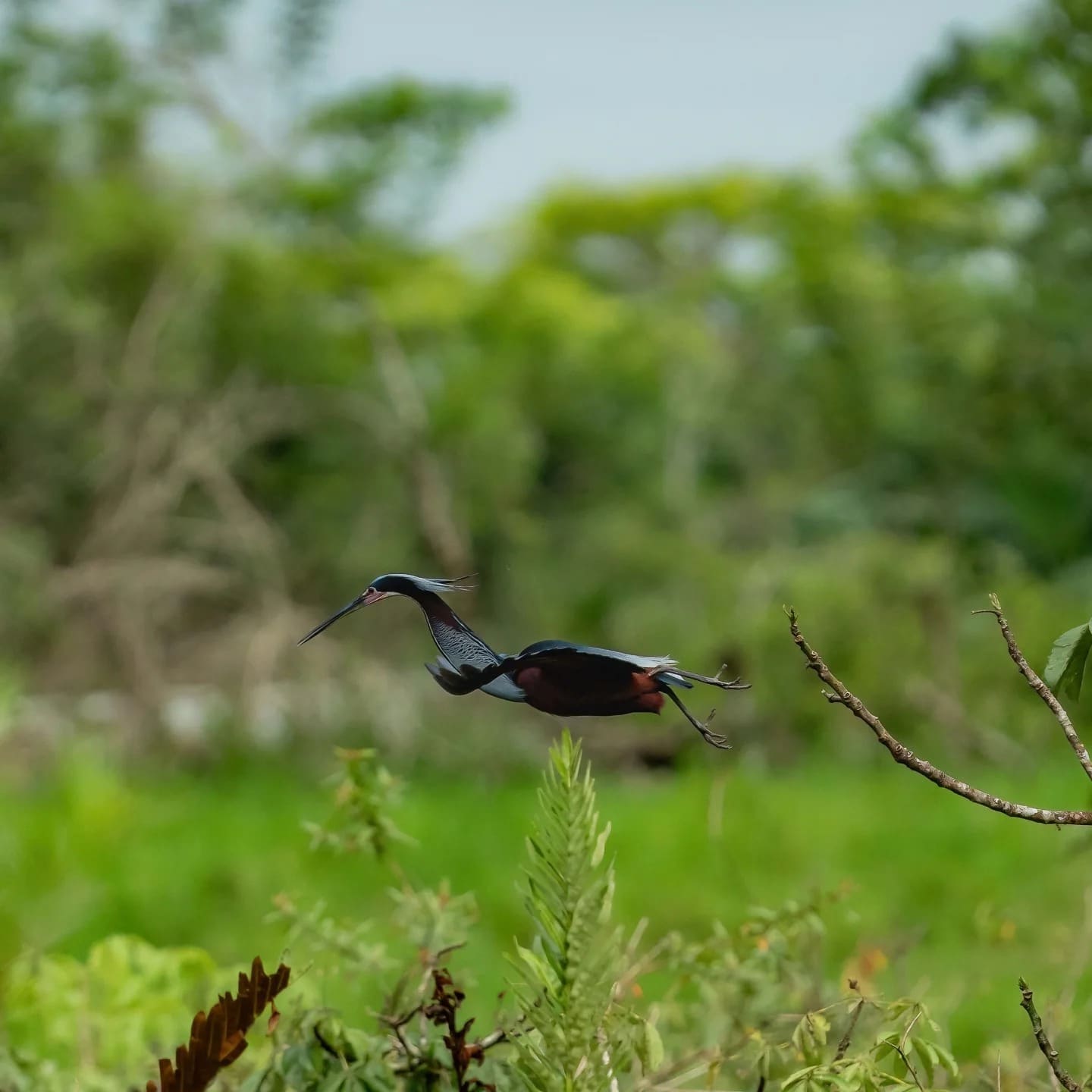
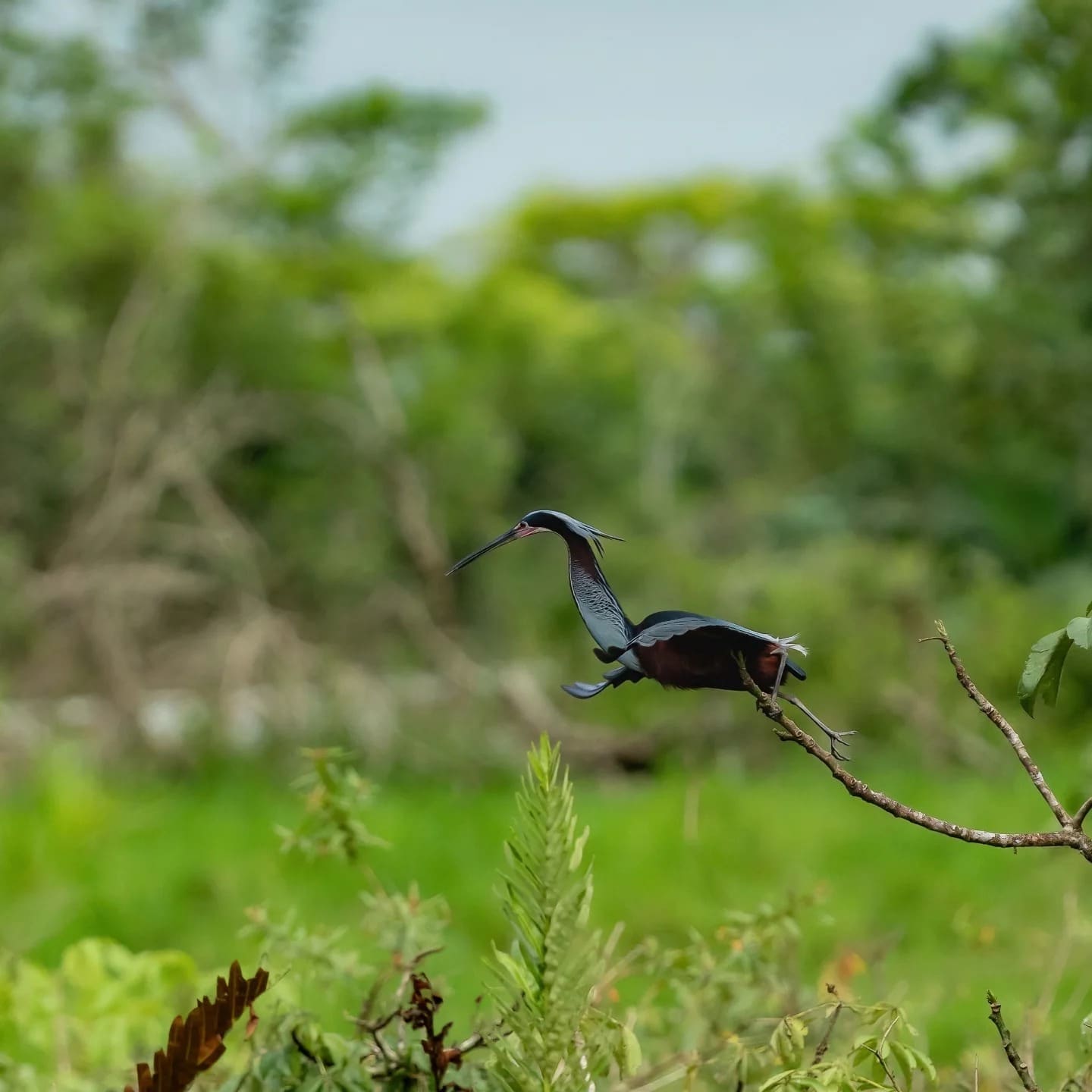
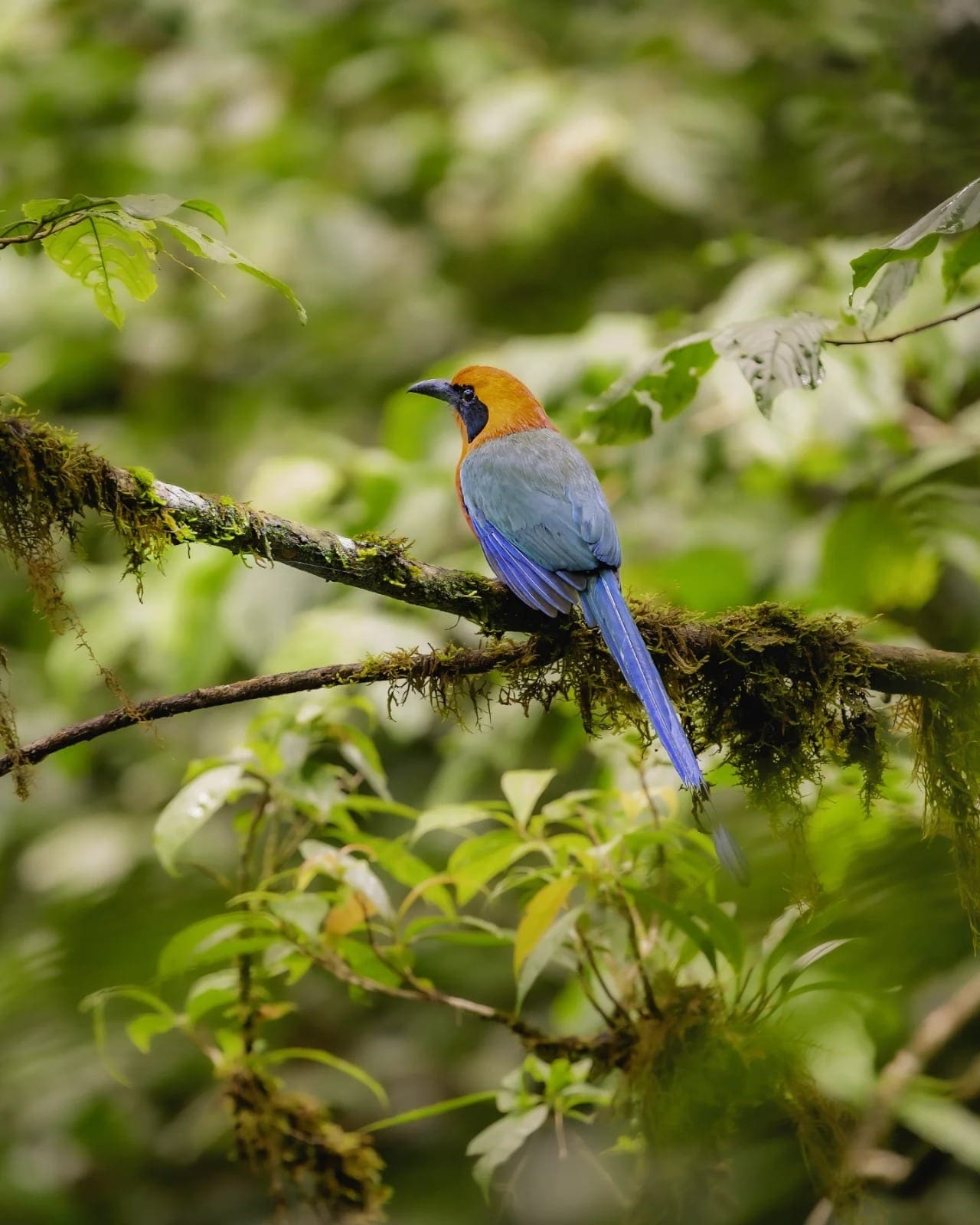
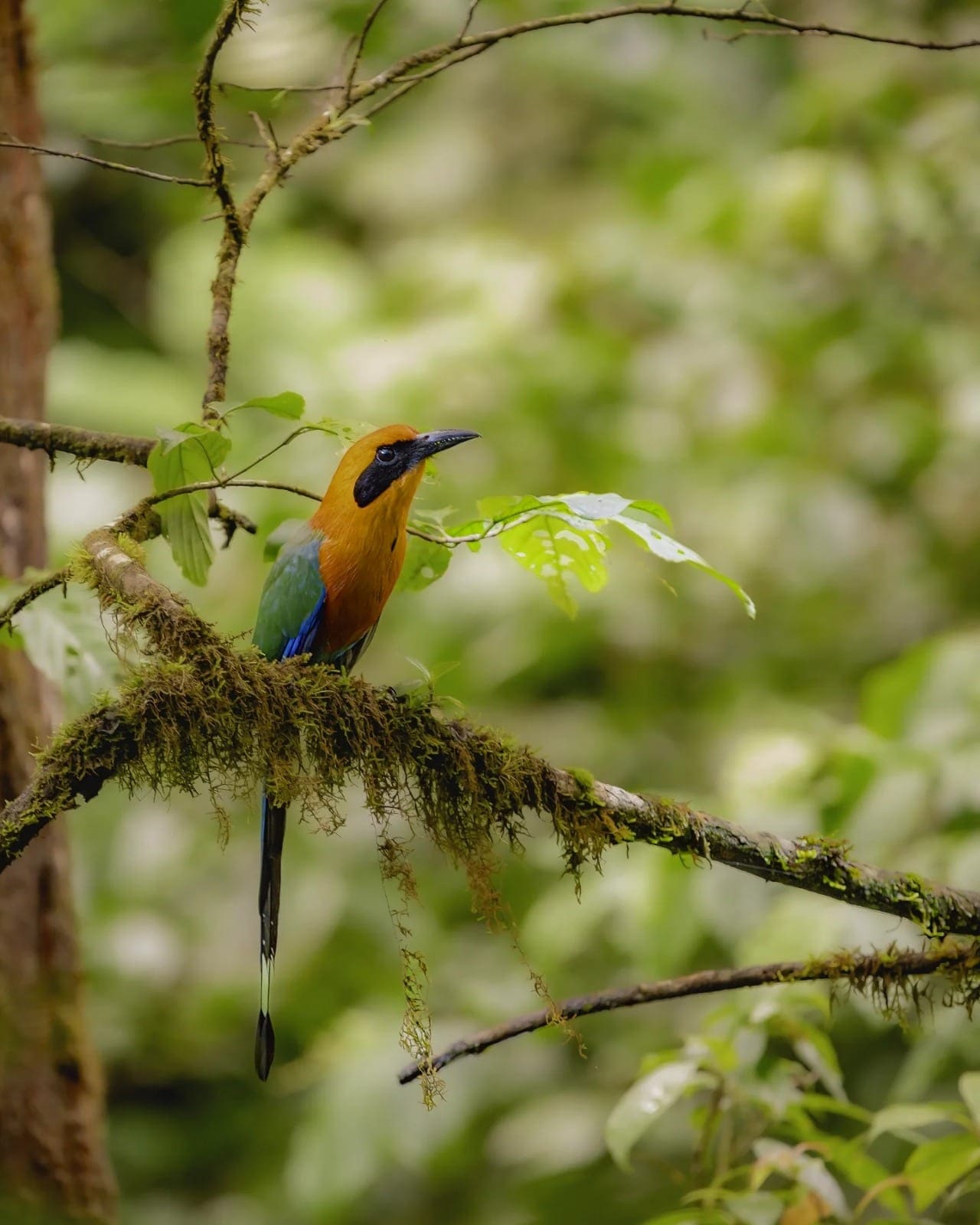
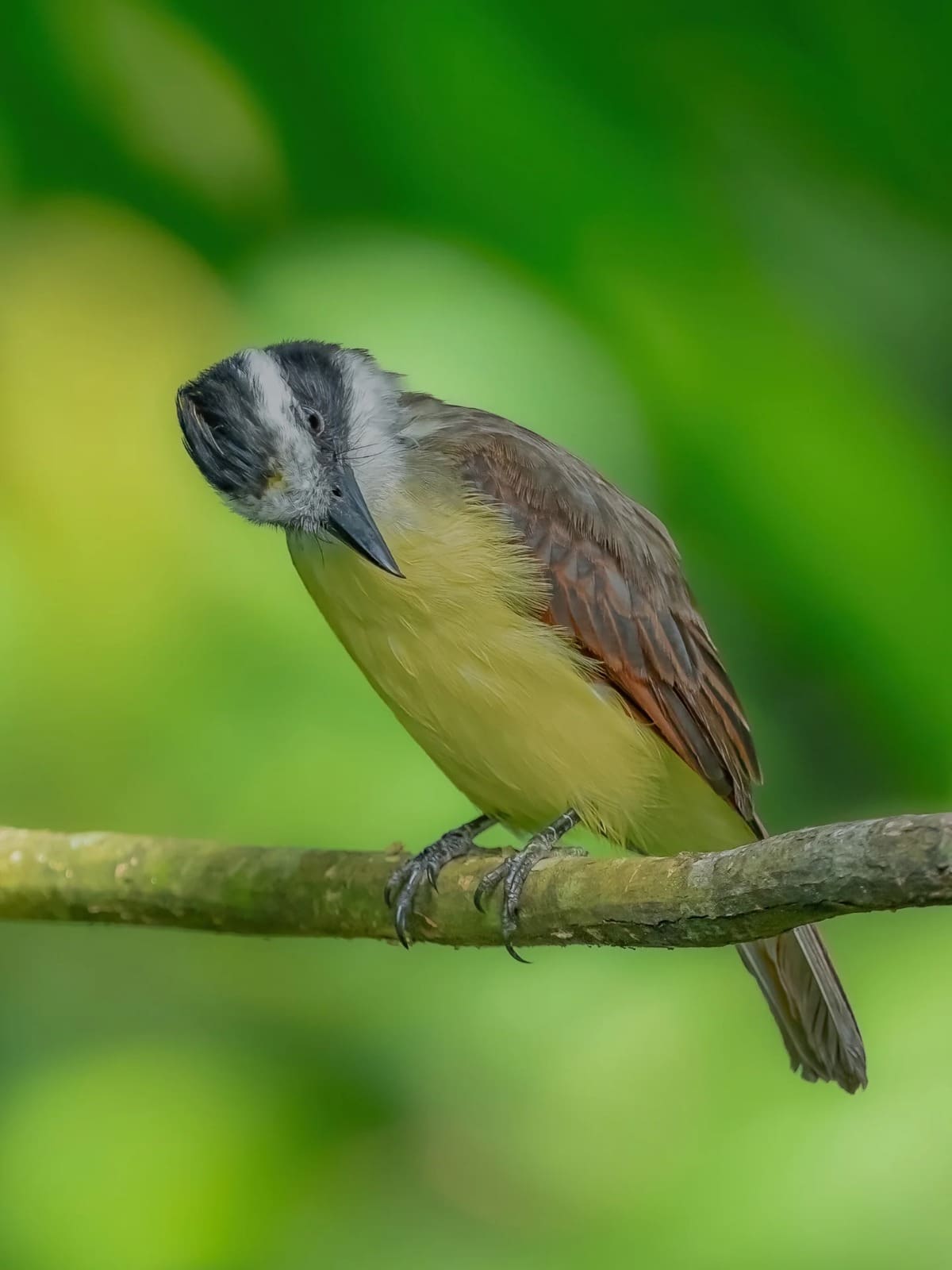
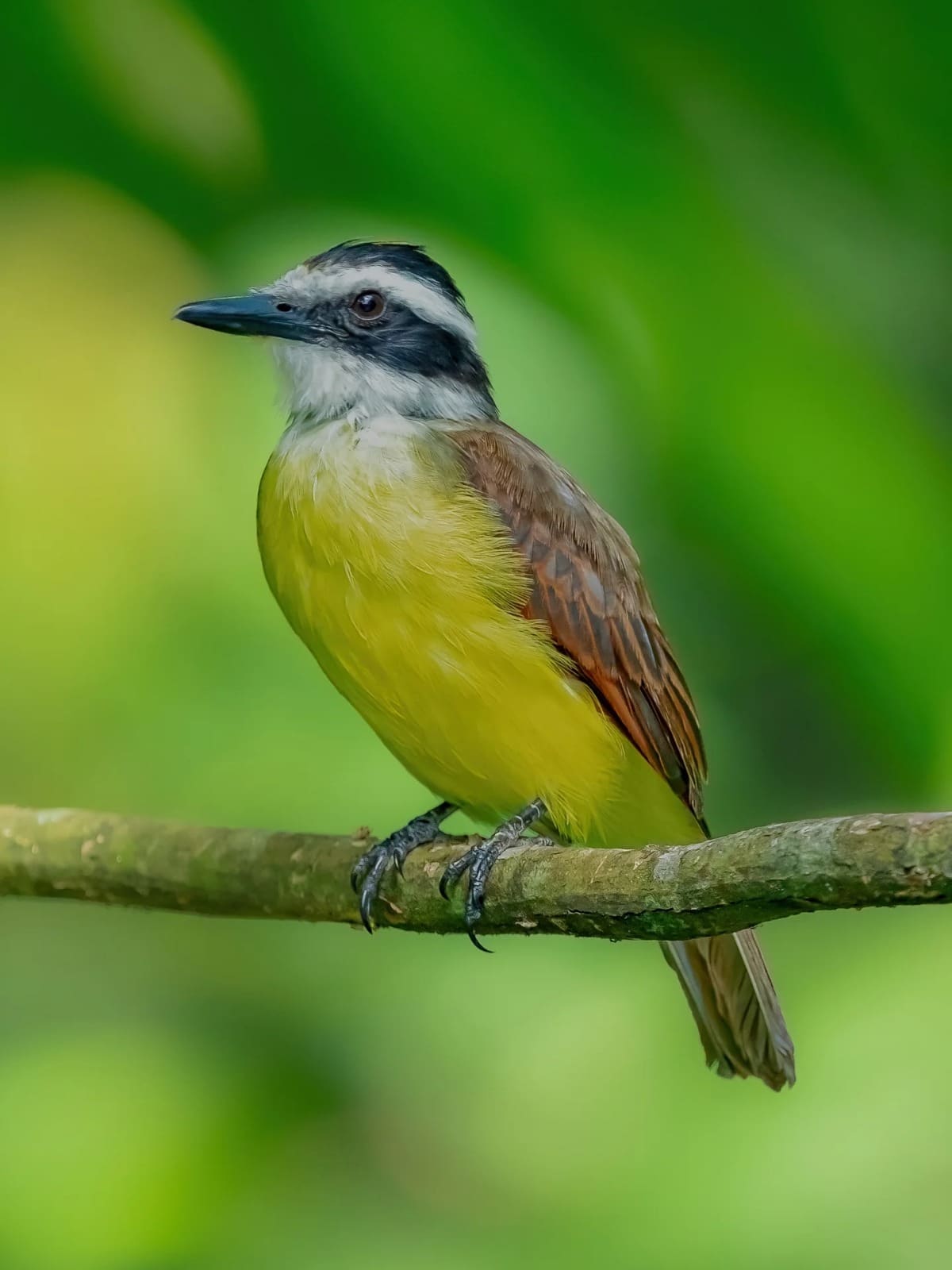
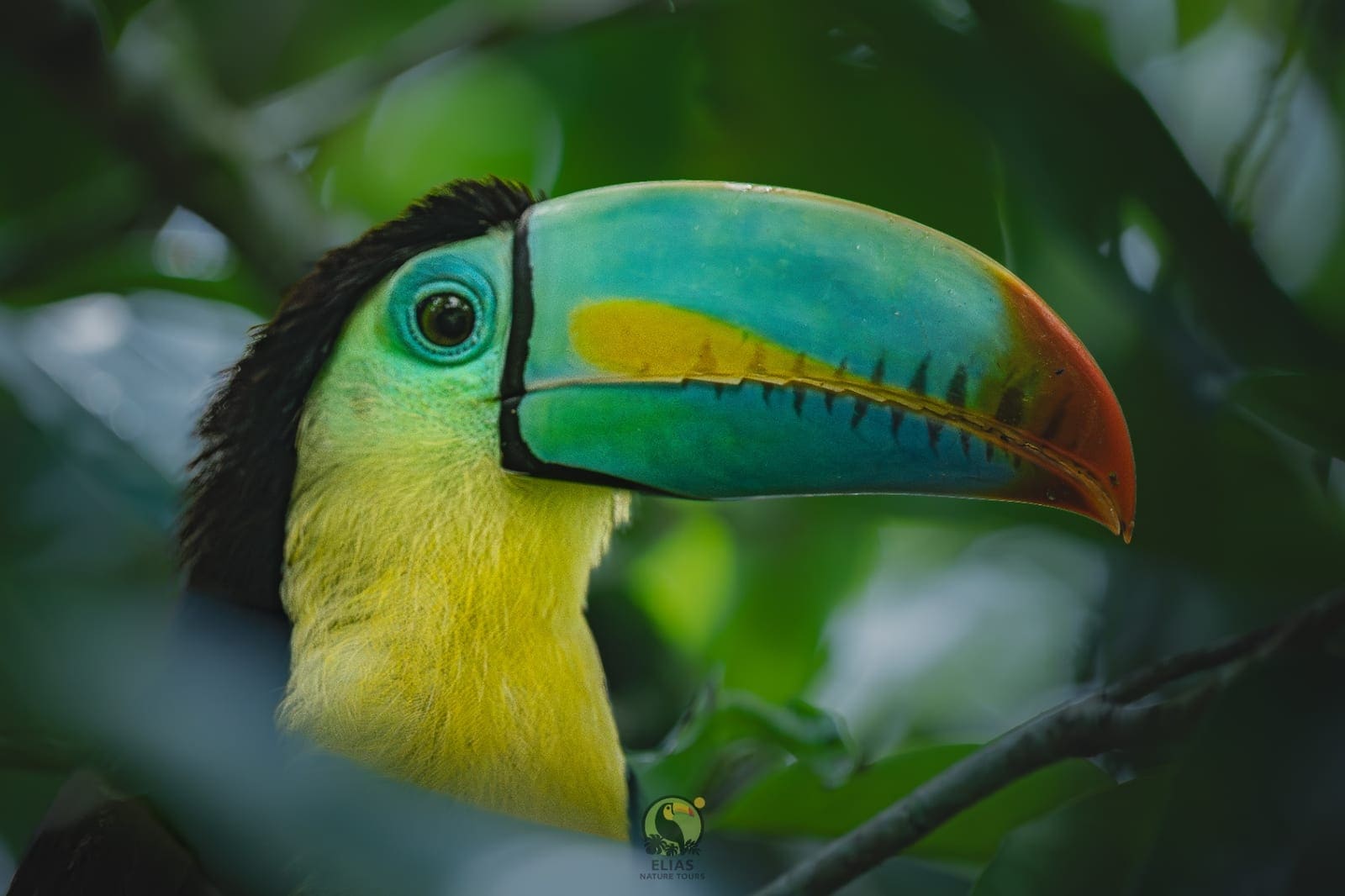


A 400–600mm telephoto covers birds and canopy mammals; a macro lens with a diffused flash covers frogs and insects at night. Rainforest light is low — plan for ISO 3200 and above.
Yes — photography departures run private by default, so the pace follows the light and the subject instead of a fixed schedule.
Great Green Macaw nesting peaks December–April, Agami Heron colonies March–June, and amphibians are most active in the green season, May–November.