King Vulture Photography Hide
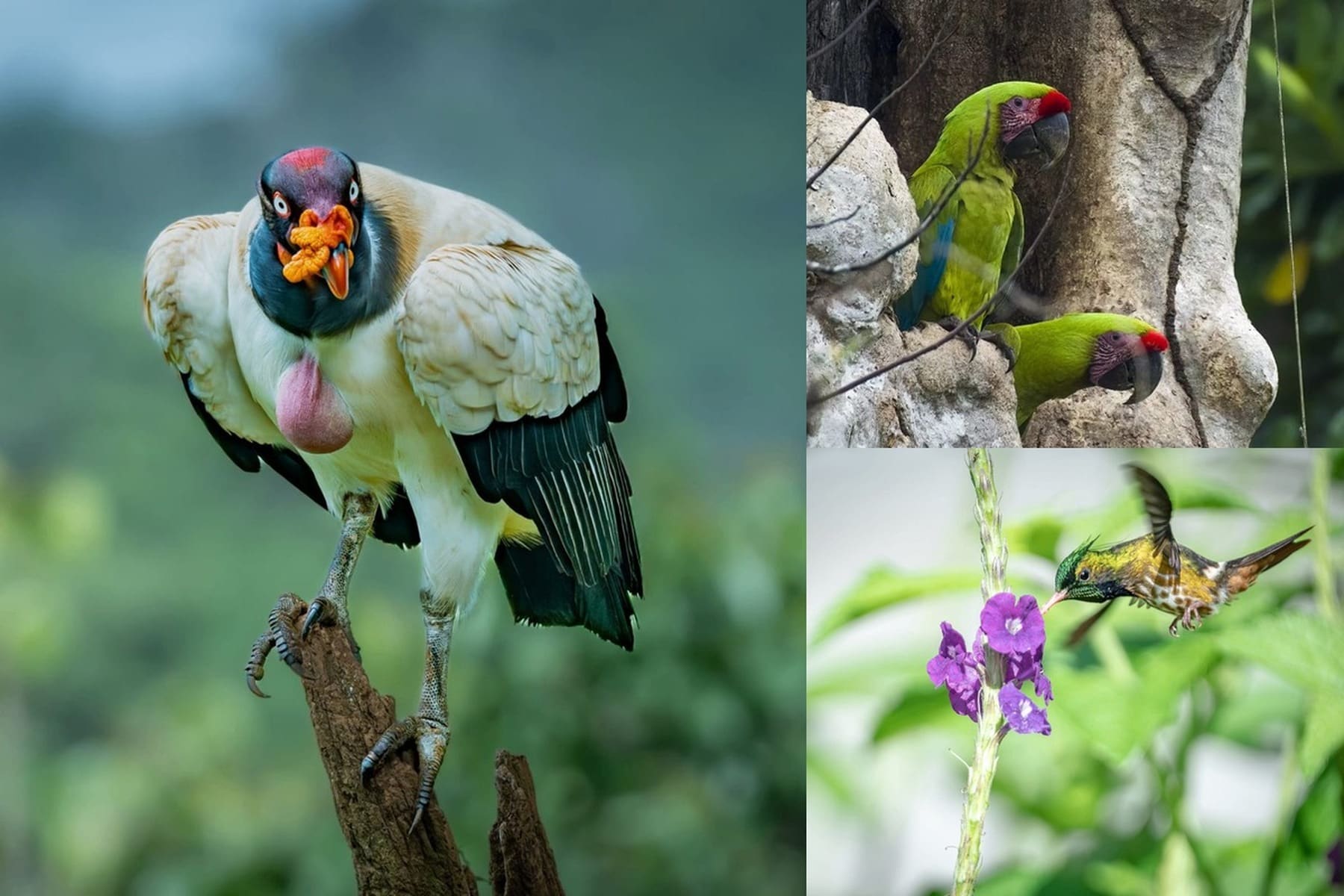
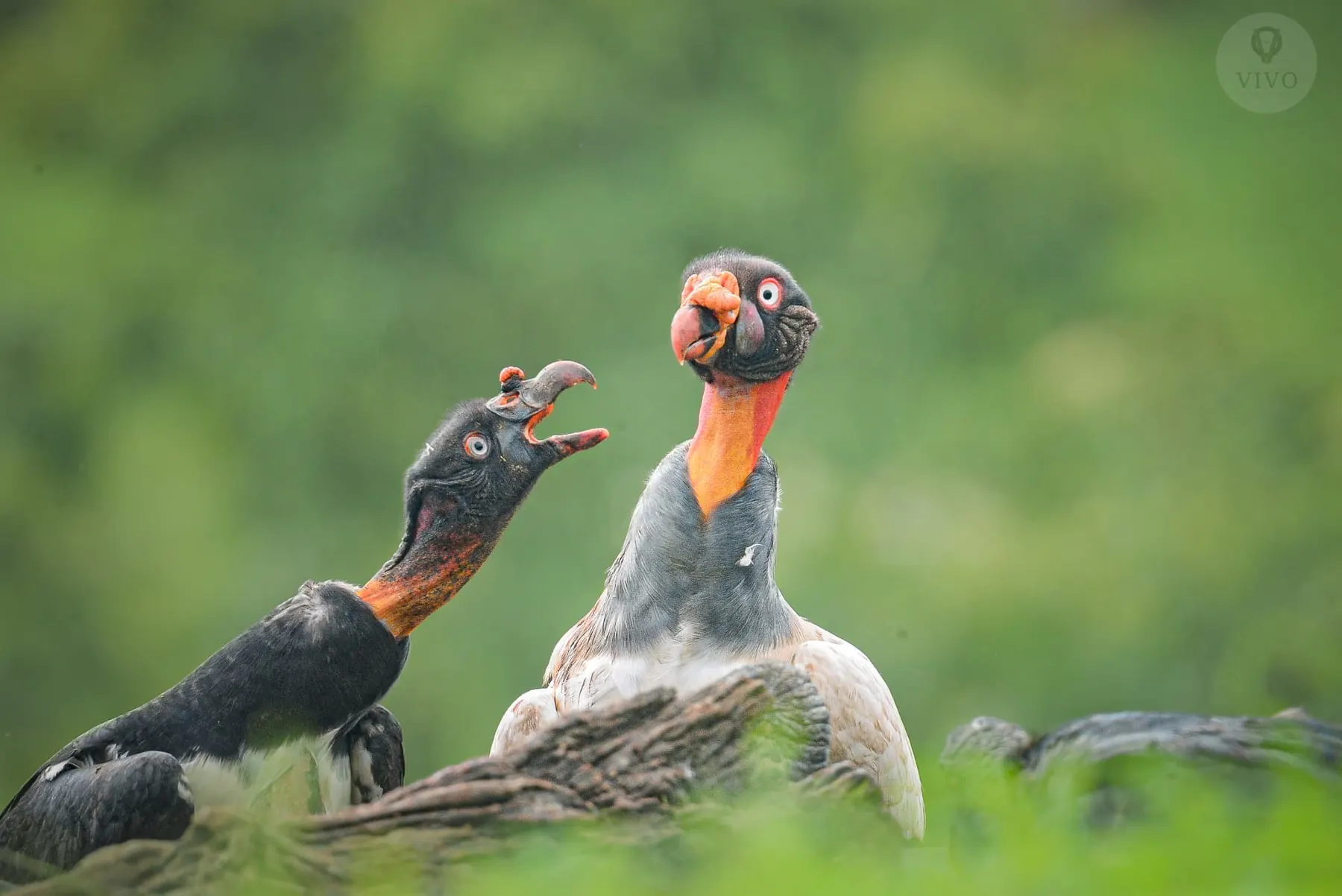
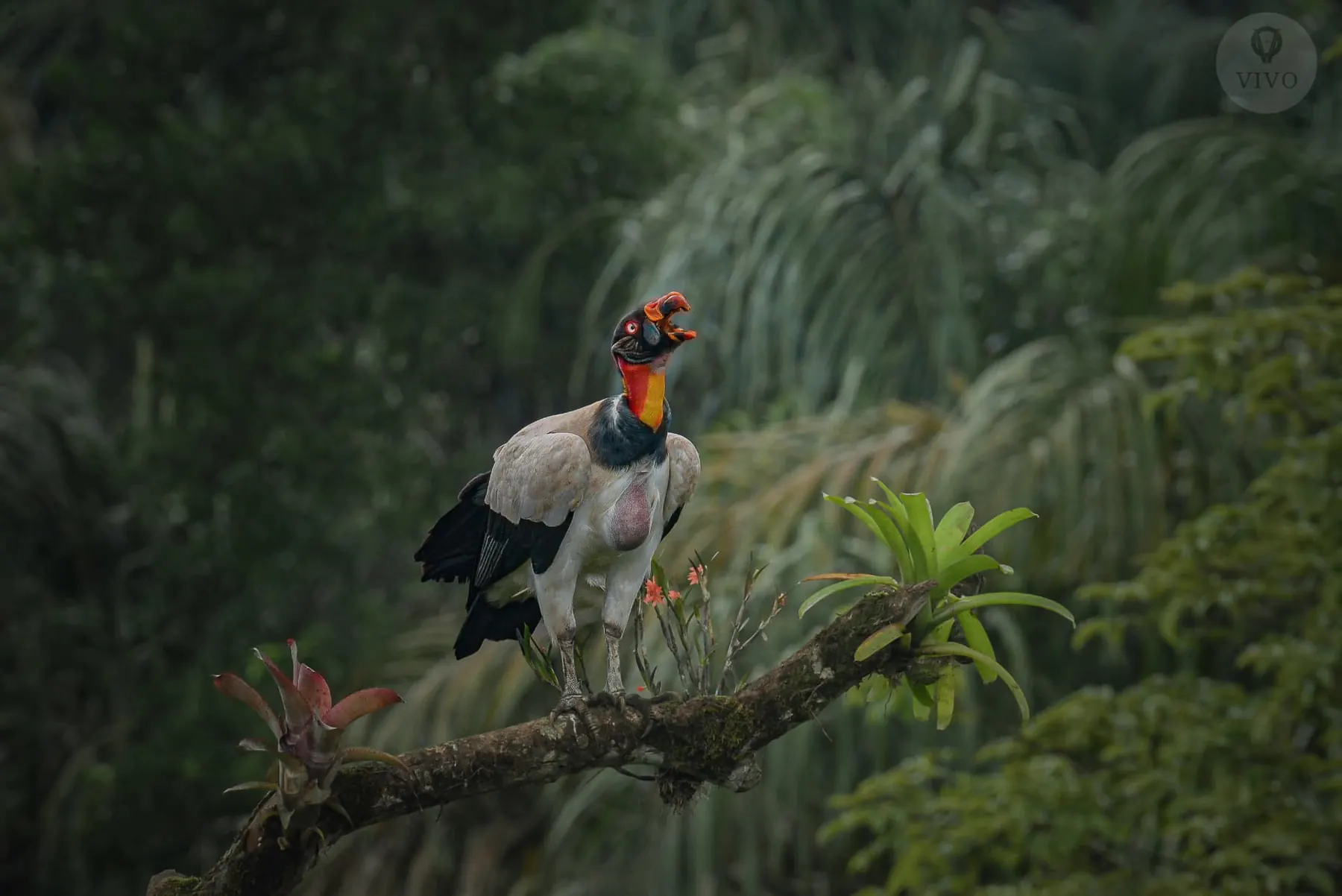
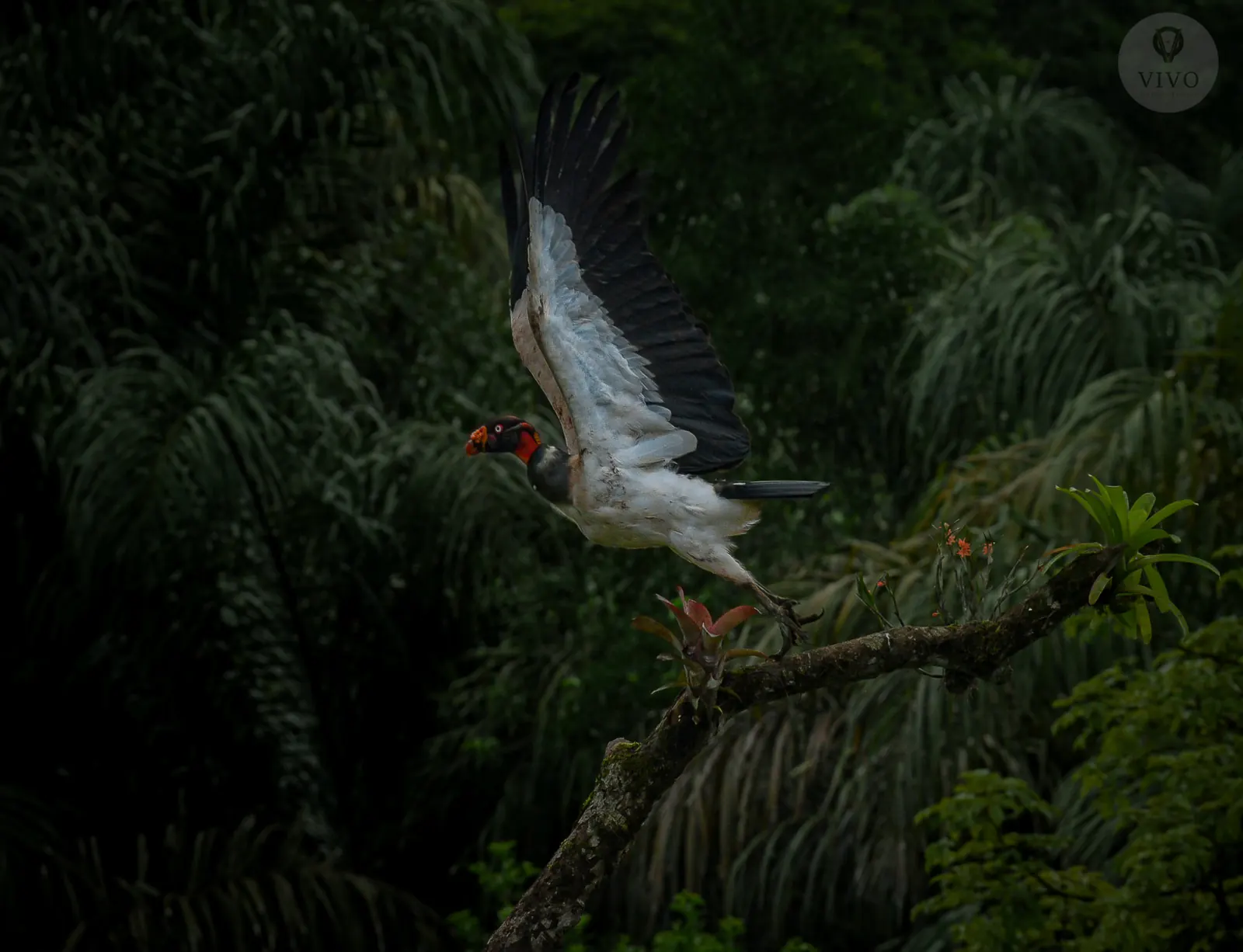
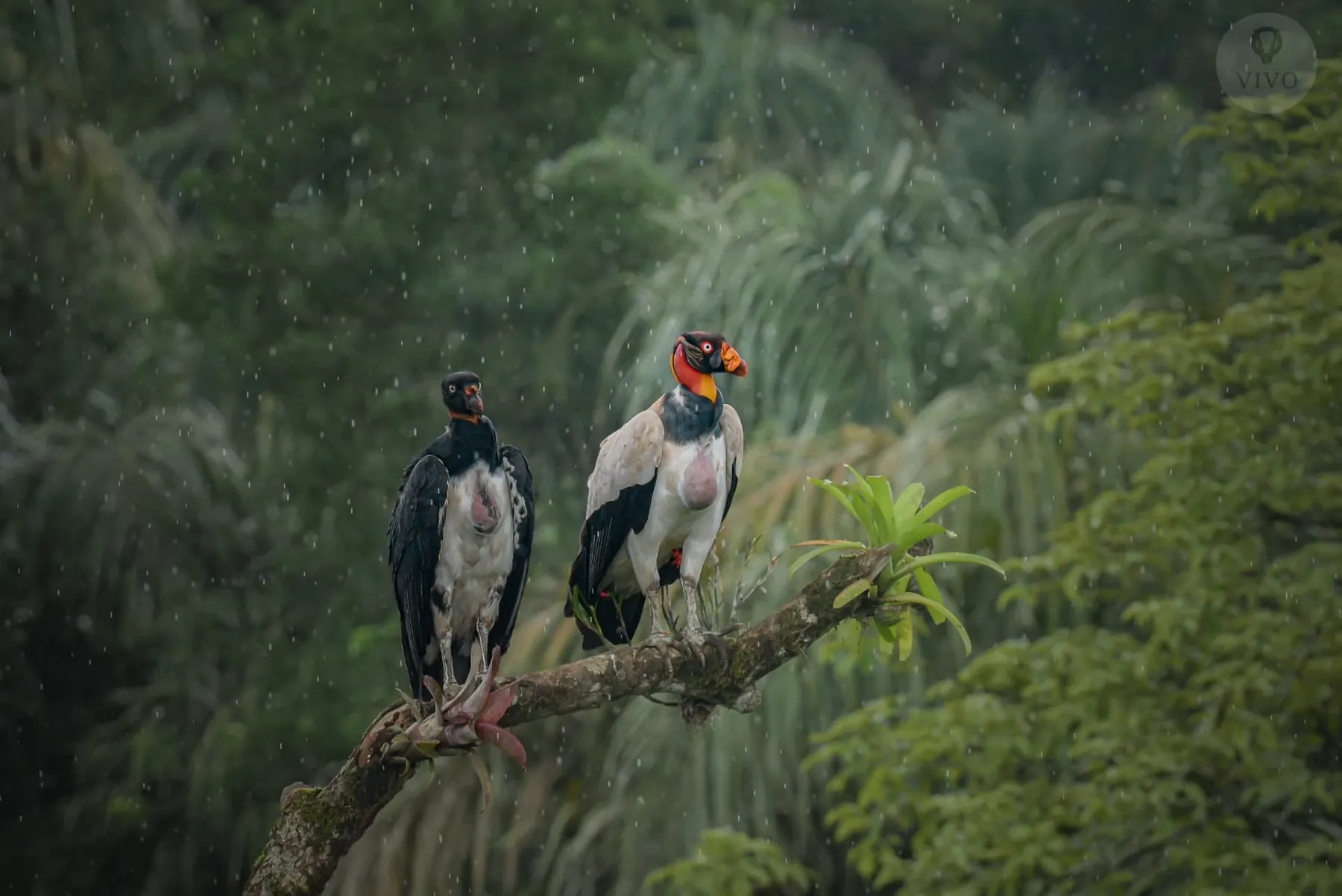
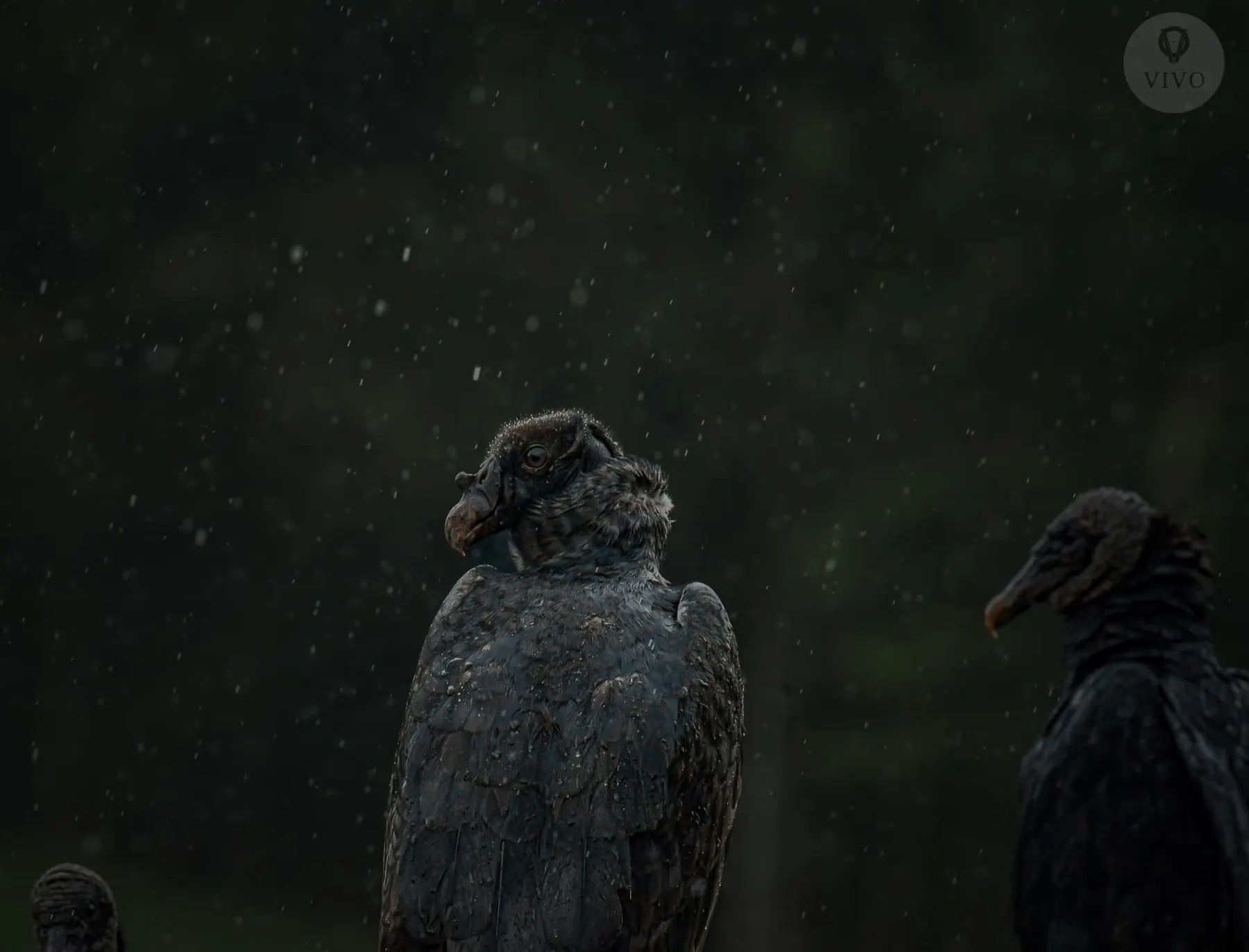
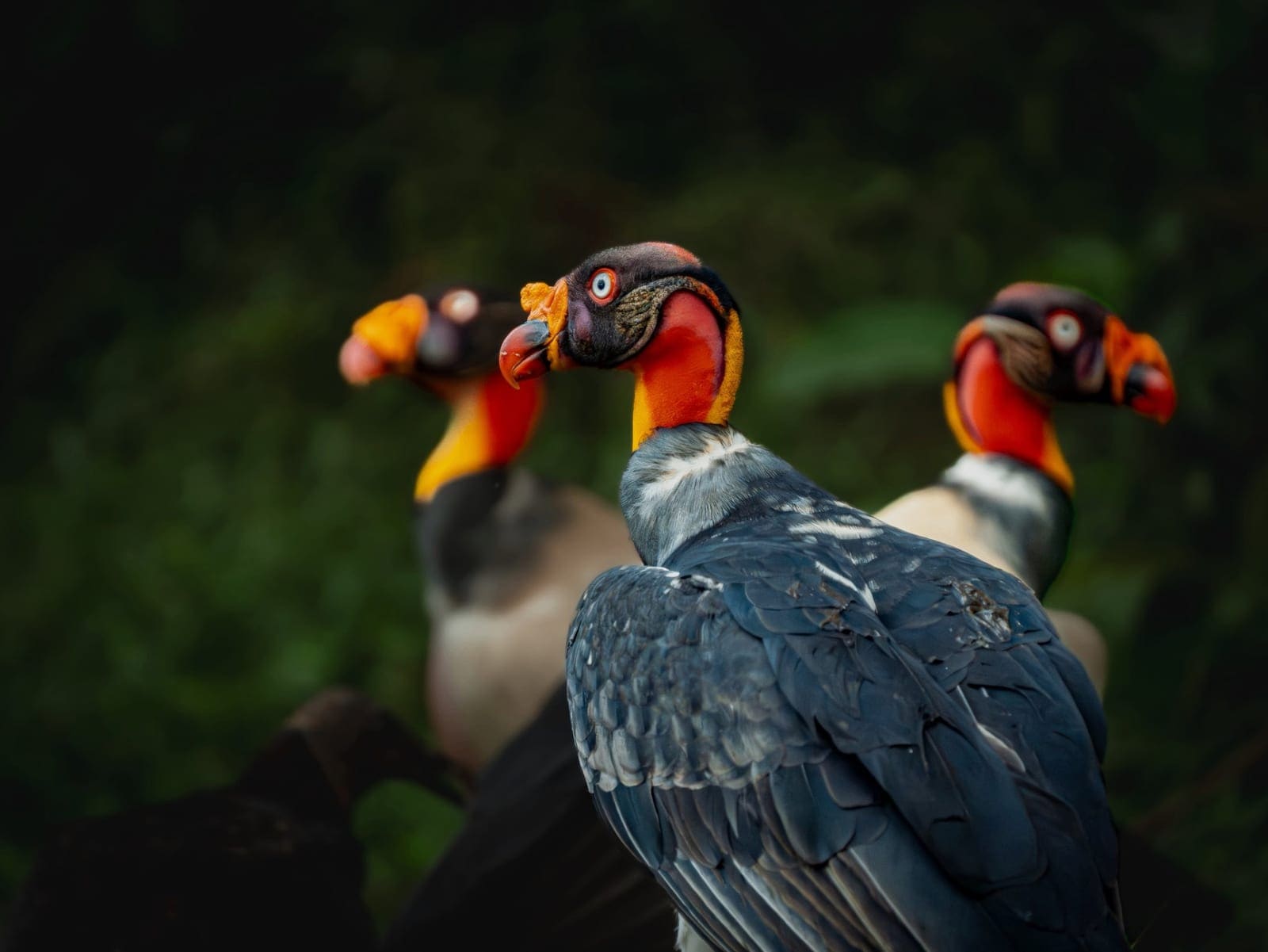
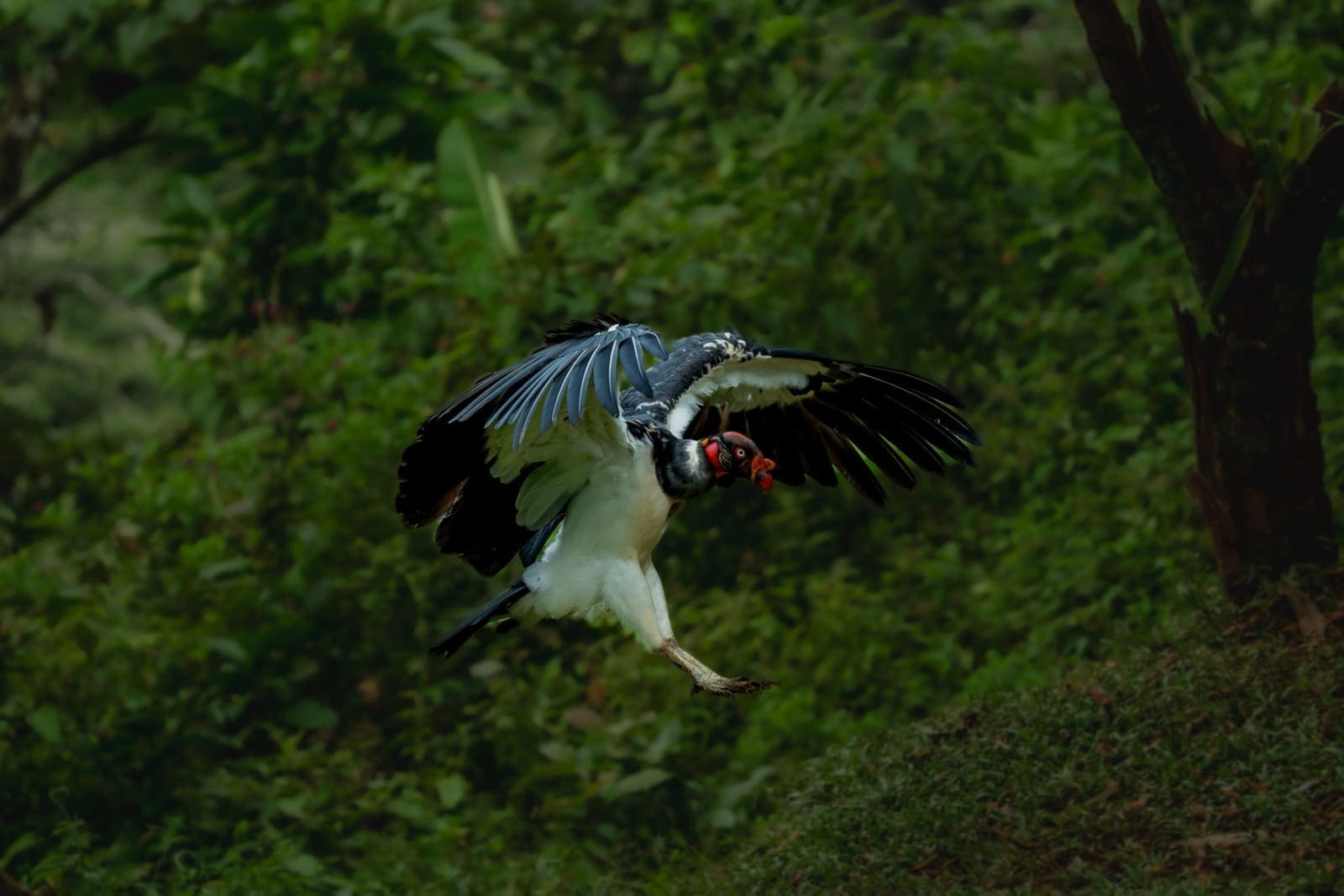
Purpose-built ground hide with baited perch. Costa Rica's most reliable King Vulture site.
2 hours
Boca Tapada·Boca Tapada
Hides at eye level, perches chosen for their background, and the waiting time that separates a snapshot from a portfolio frame.
Tell us your target species and lens — we sequence the stations by light.
Boca Tapada exists on the photography map because the infrastructure is built for cameras, not for foot traffic. Every station here — vulture hide, hummingbird garden, macaw nesting tree, heron colony — was positioned by someone who was thinking about background and light before he thought about access.
Sessions are sold individually so you can stack the ones your portfolio needs and skip the rest. Most photographers combine two or three in a day and repeat the strongest one at a different hour, when the light has moved.
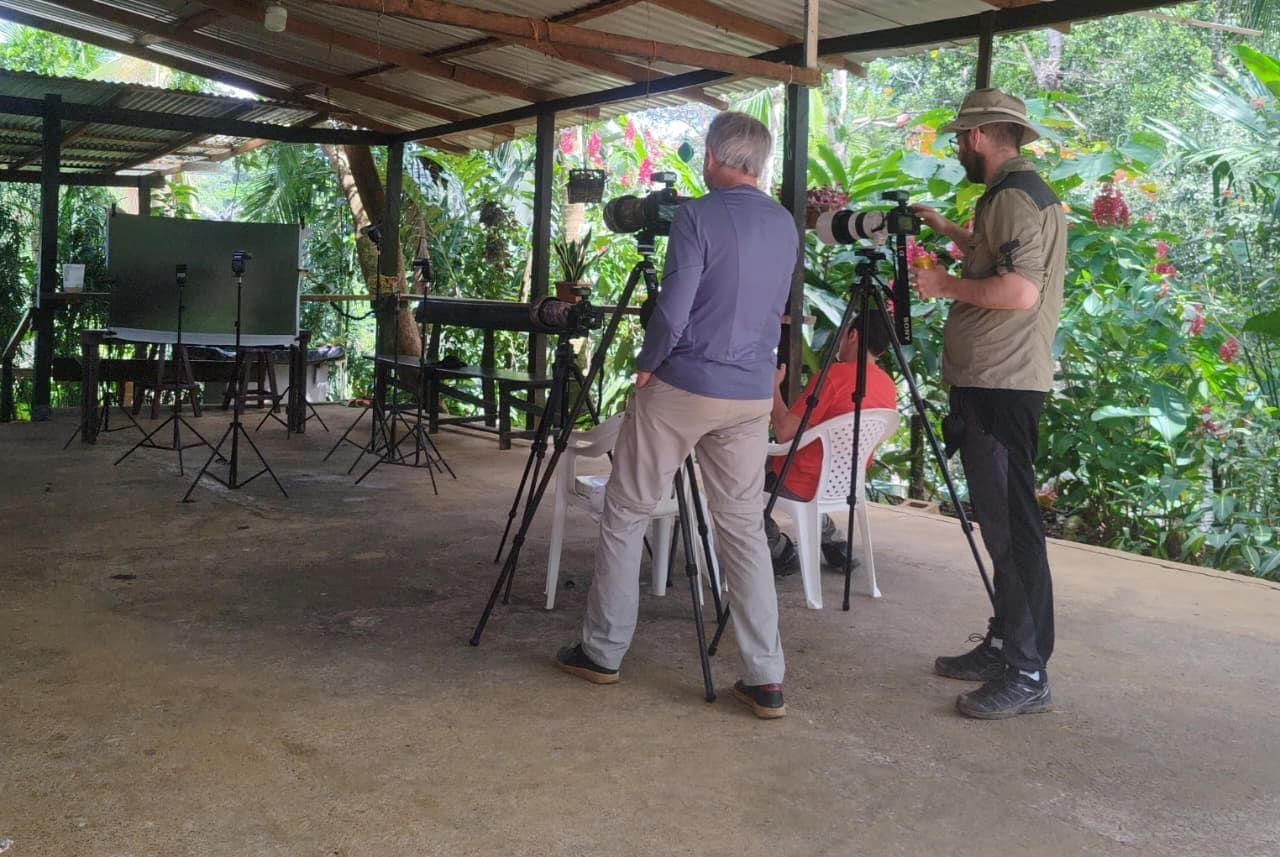
A permanent blind facing a baited clearing with a clean forest wall behind it. Birds arrive on their own schedule — usually within the first two hours — and the hide holds a small number of shooters at fixed apertures onto the same lit stage. This is a waiting session; bring something to sit on and patience for the whole window.
The hummingbird garden runs two ways: available light on natural flowering perches for a documentary look, or a multi-flash rig that freezes wing position against a controlled background. Both are set up before you arrive; the choice is yours per session, not per group.
Great Green Macaw nesting cavities and the Agami Heron colony are worked from fixed distances that keep the birds undisturbed — expect 500–600mm to fill the frame, and expect to be told where not to stand. Flight work happens on approach and departure; pre-focus on the perch and track out.
Up to six photographers per station, and fewer inside the hide. Sessions run 2–4 hours each. Nothing here is designed to be rushed, and stacking four stations into one day is the most common mistake first-time visitors make.
Photographic stations, ordered by how much control the setup gives you:
Purpose-built ground hide with baited perch. Costa Rica's most reliable King Vulture site.
2 hours
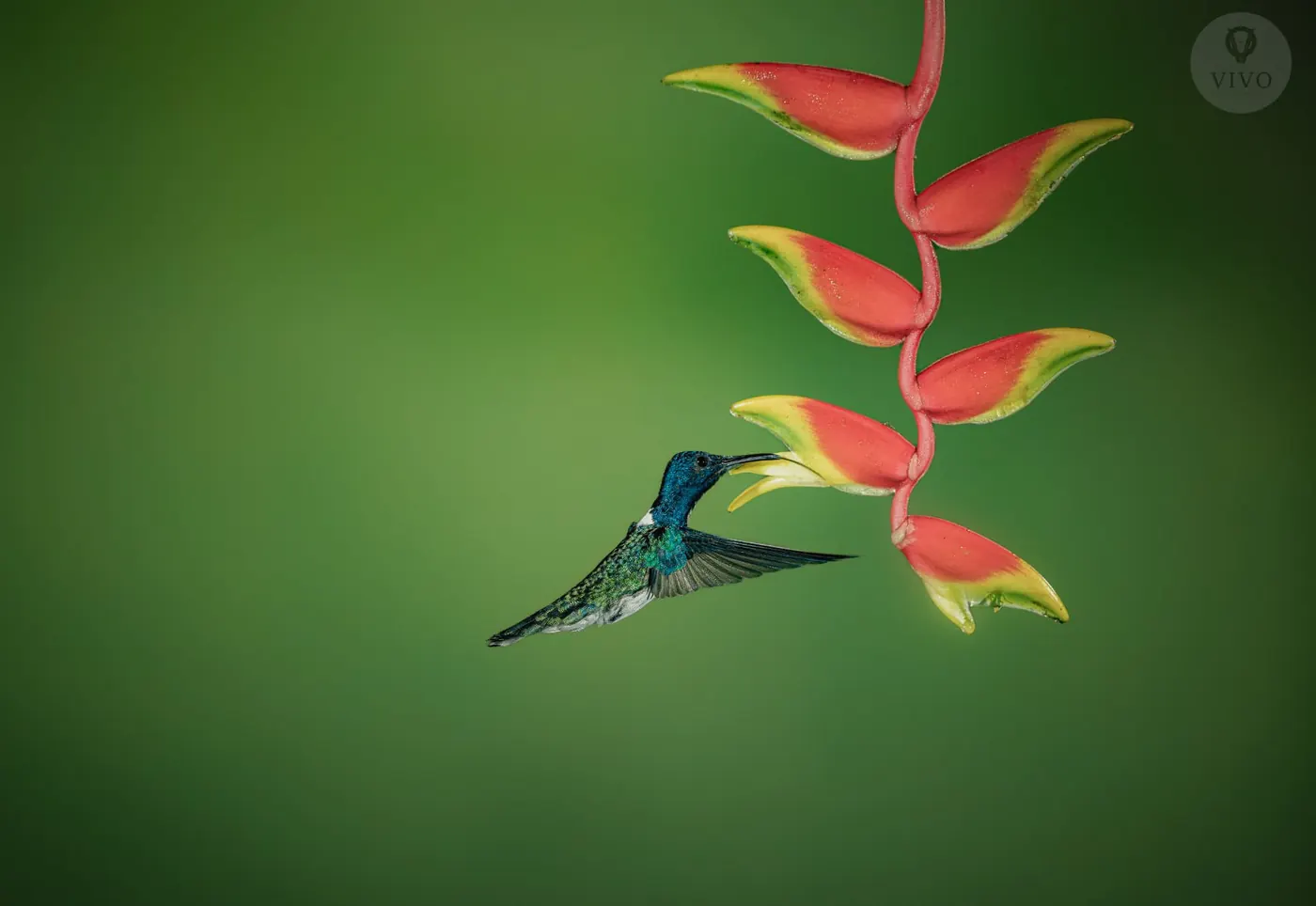
Professional multi-flash setup for wing-frozen hummingbird portraits — a fully configured session.
2 hours
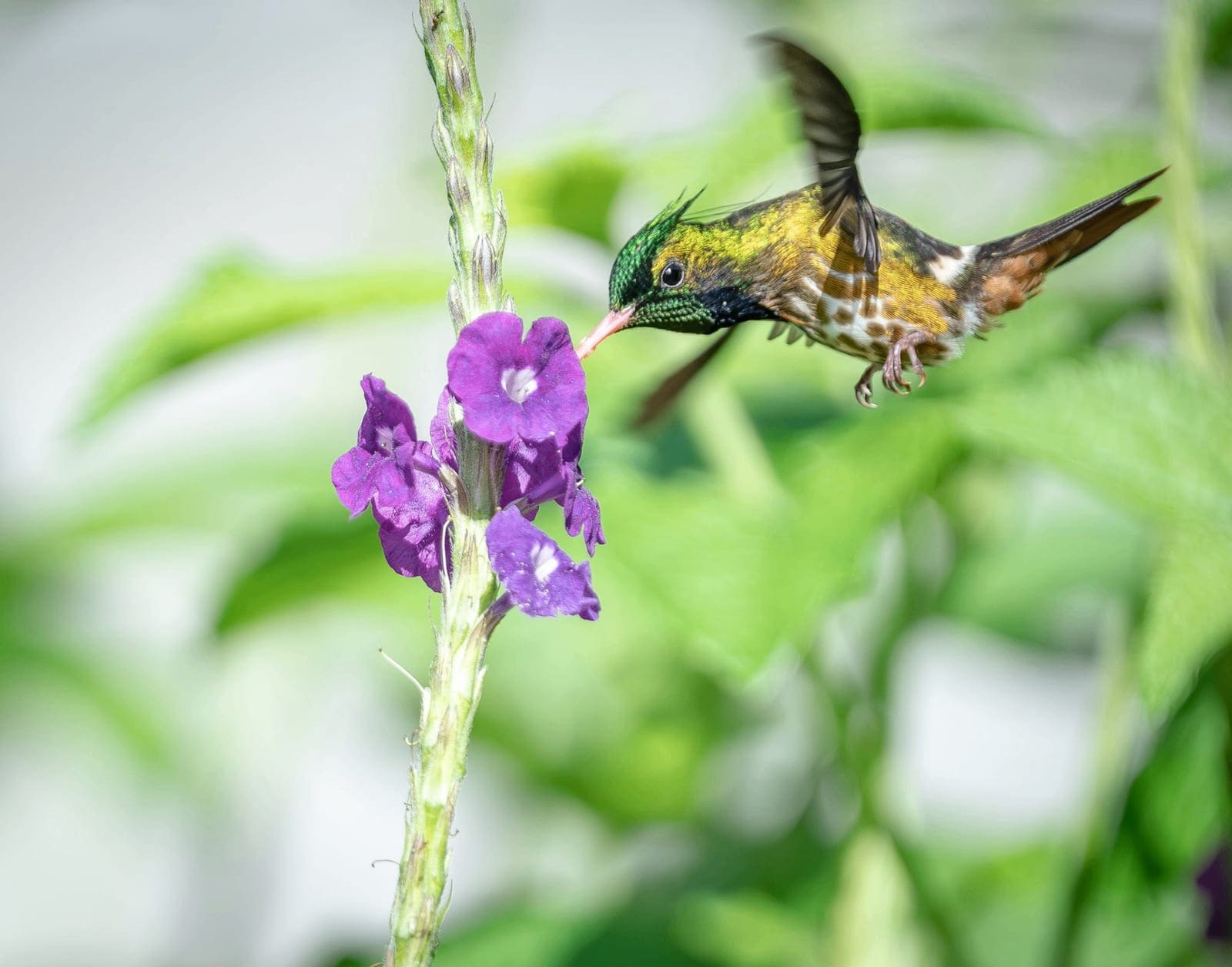
Six hummingbird species at close range, sugar feeders and native flowering plants.
2–3 hours
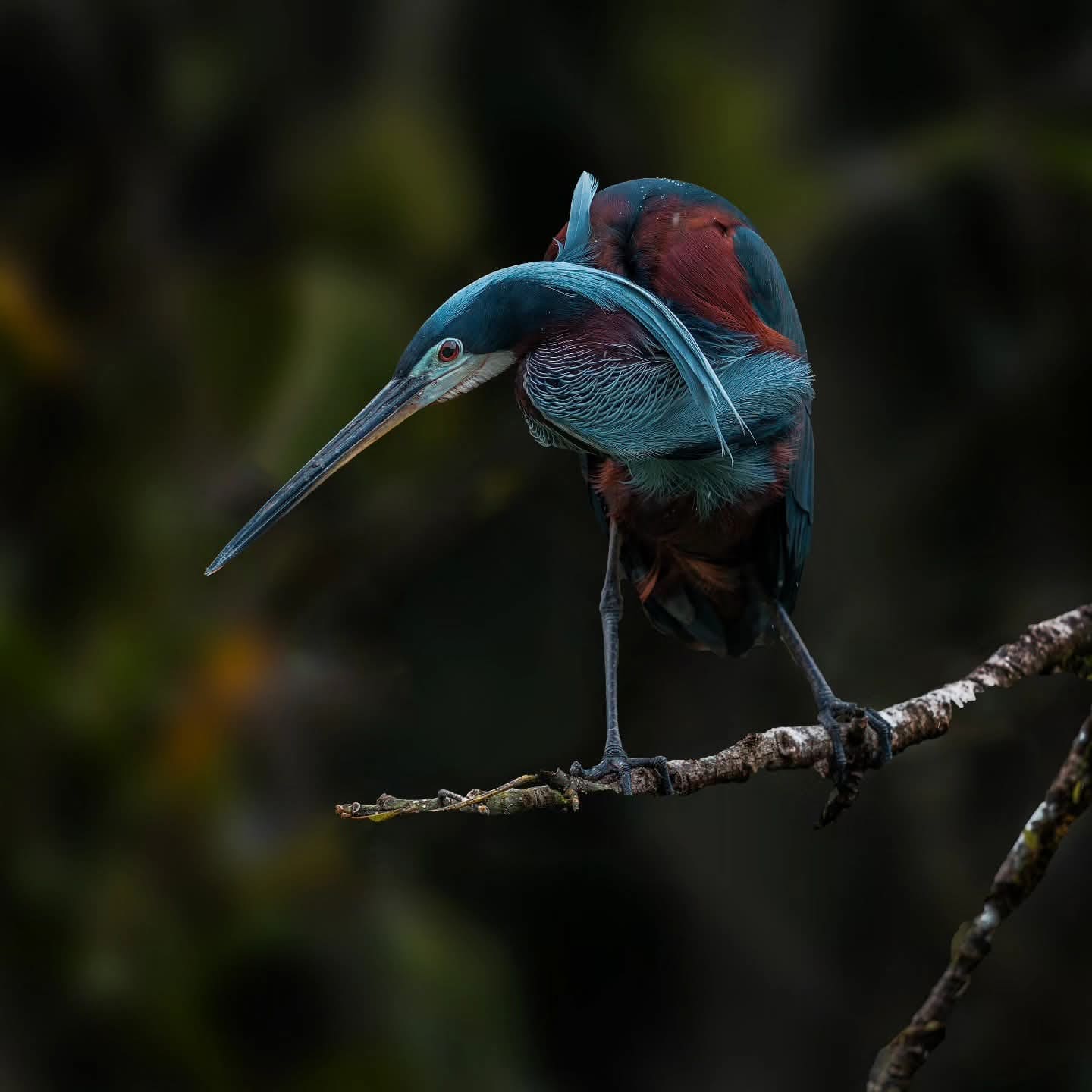
One of Central America's few accessible Agami Heron nesting colonies. Strictly ethical, low-impact.
4–5 hours
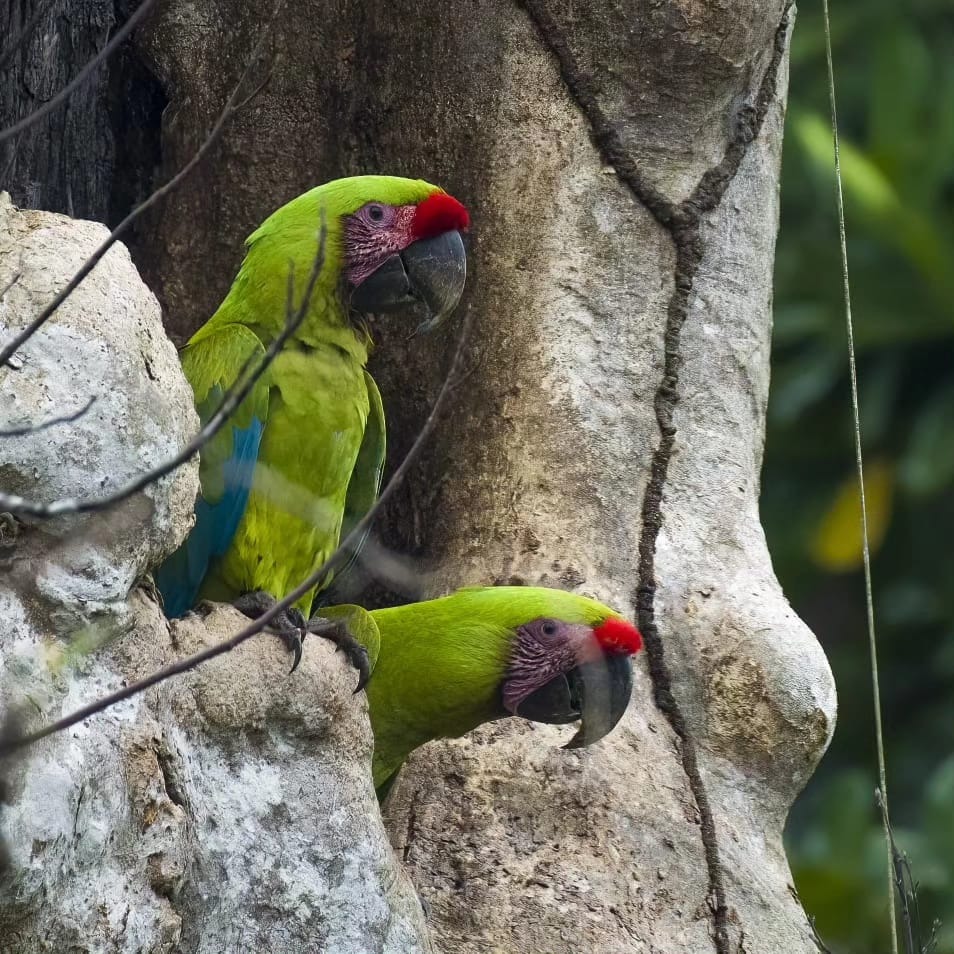
Endangered Great Green Macaws nesting in almendro trees on private conservation land.
3–4 hours
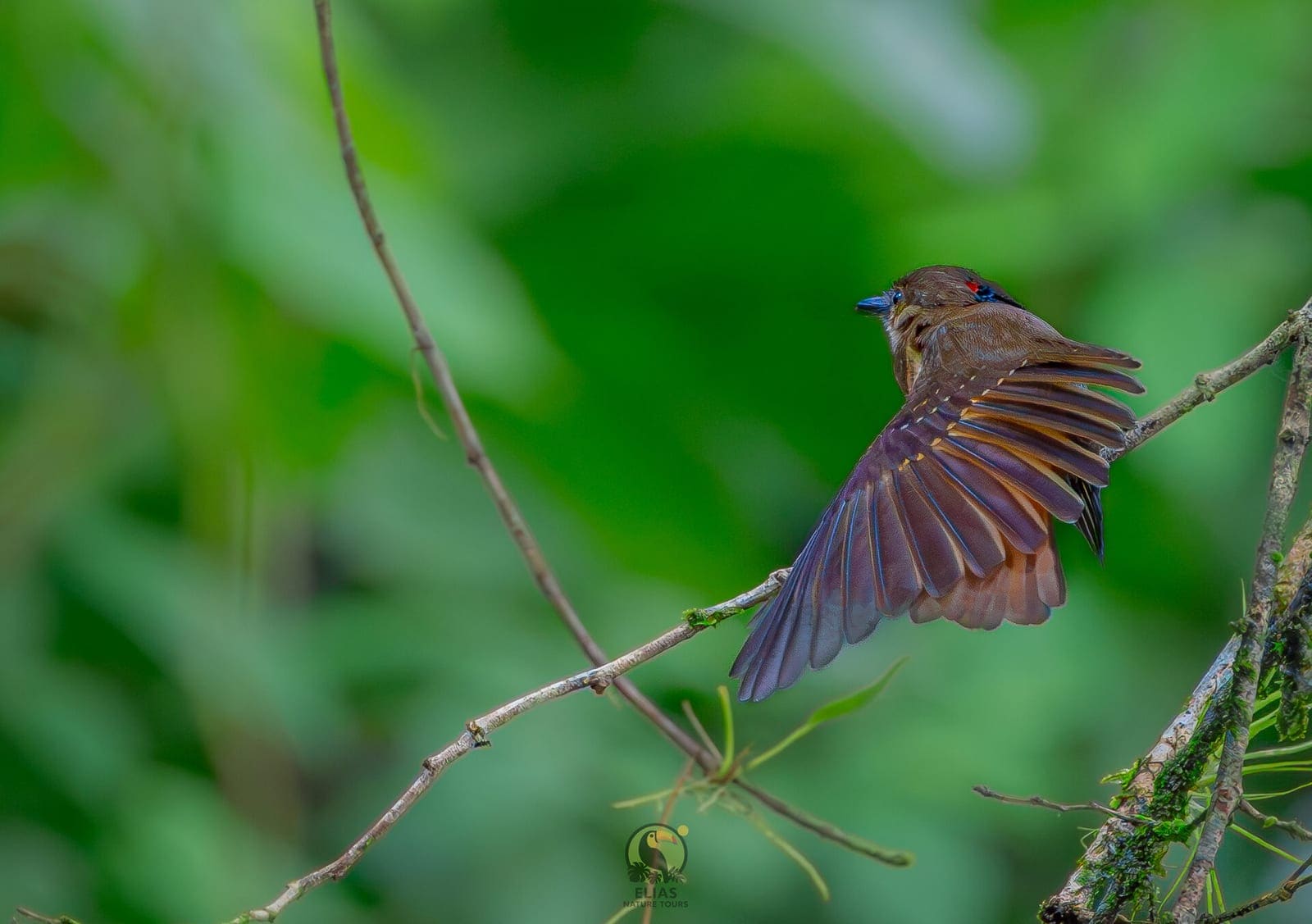
One of the tropics' most bizarre birds — long dangling pendant nest and hidden crimson crown.
3 hours
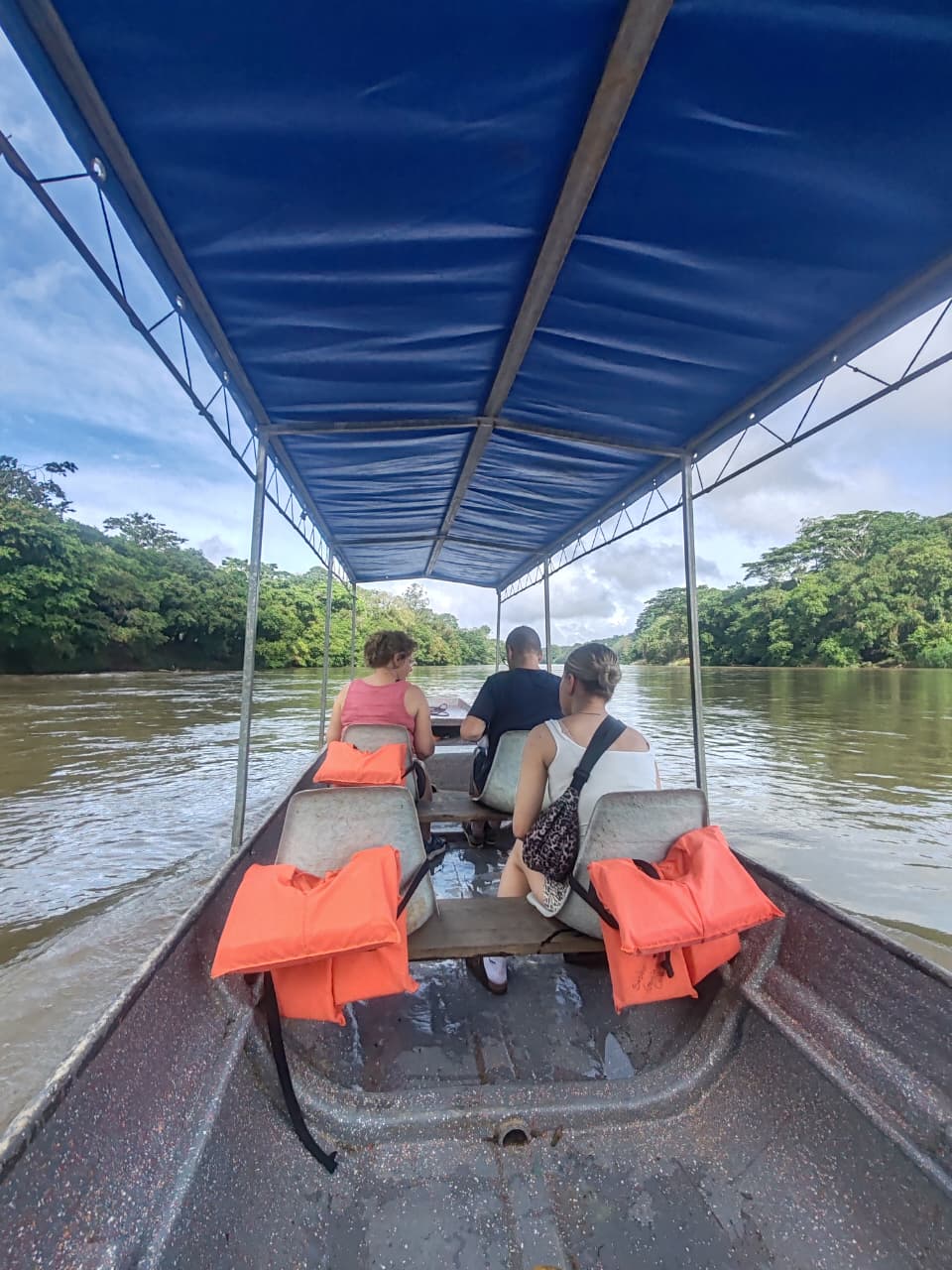
Slow riverboat along Río San Carlos and Río Tres Amigos, birding at eye level from the water.
2.5 hours
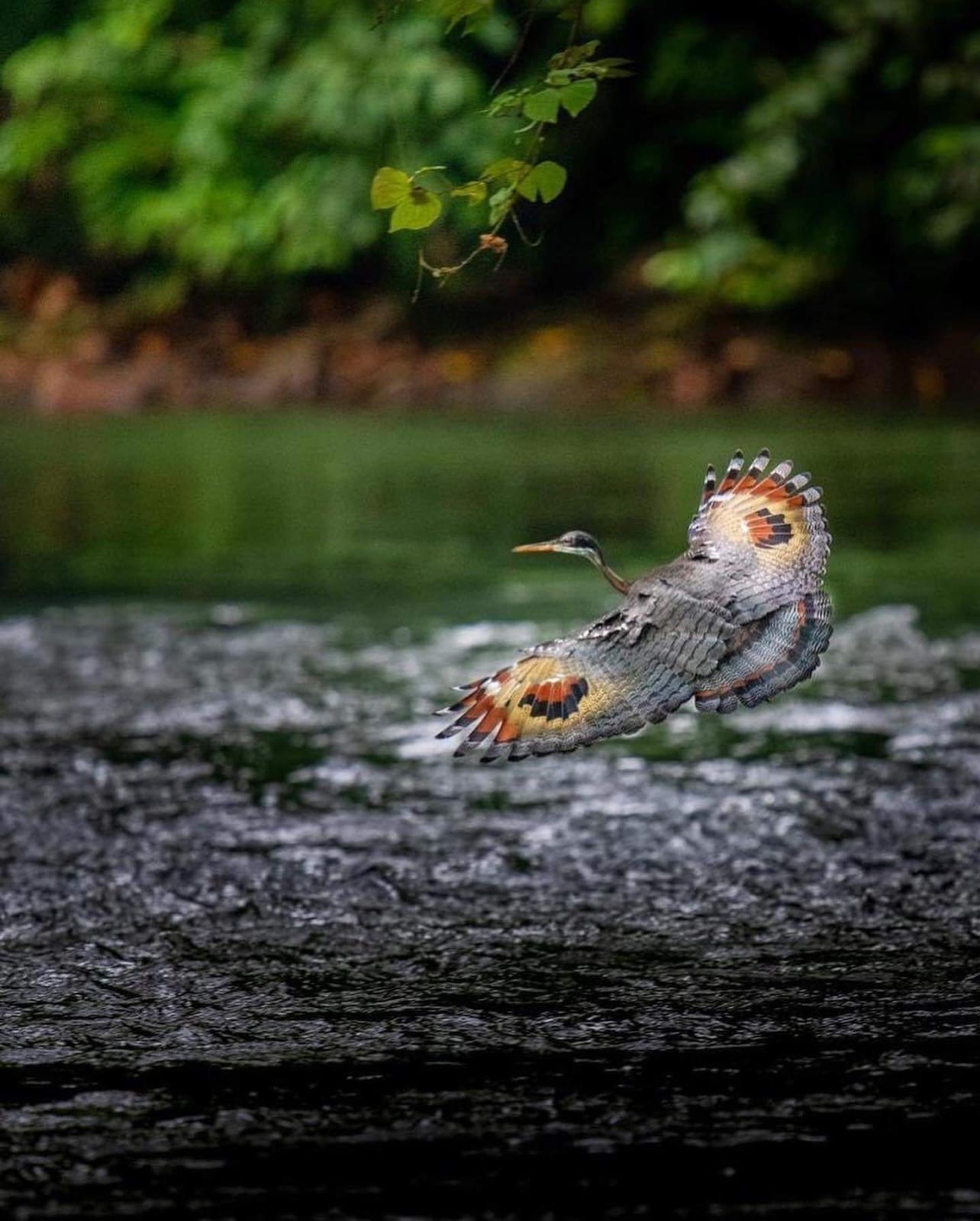
Reliable Sunbittern territory on a shaded forest stream — including the famous wing-spread display.
2.5 hours
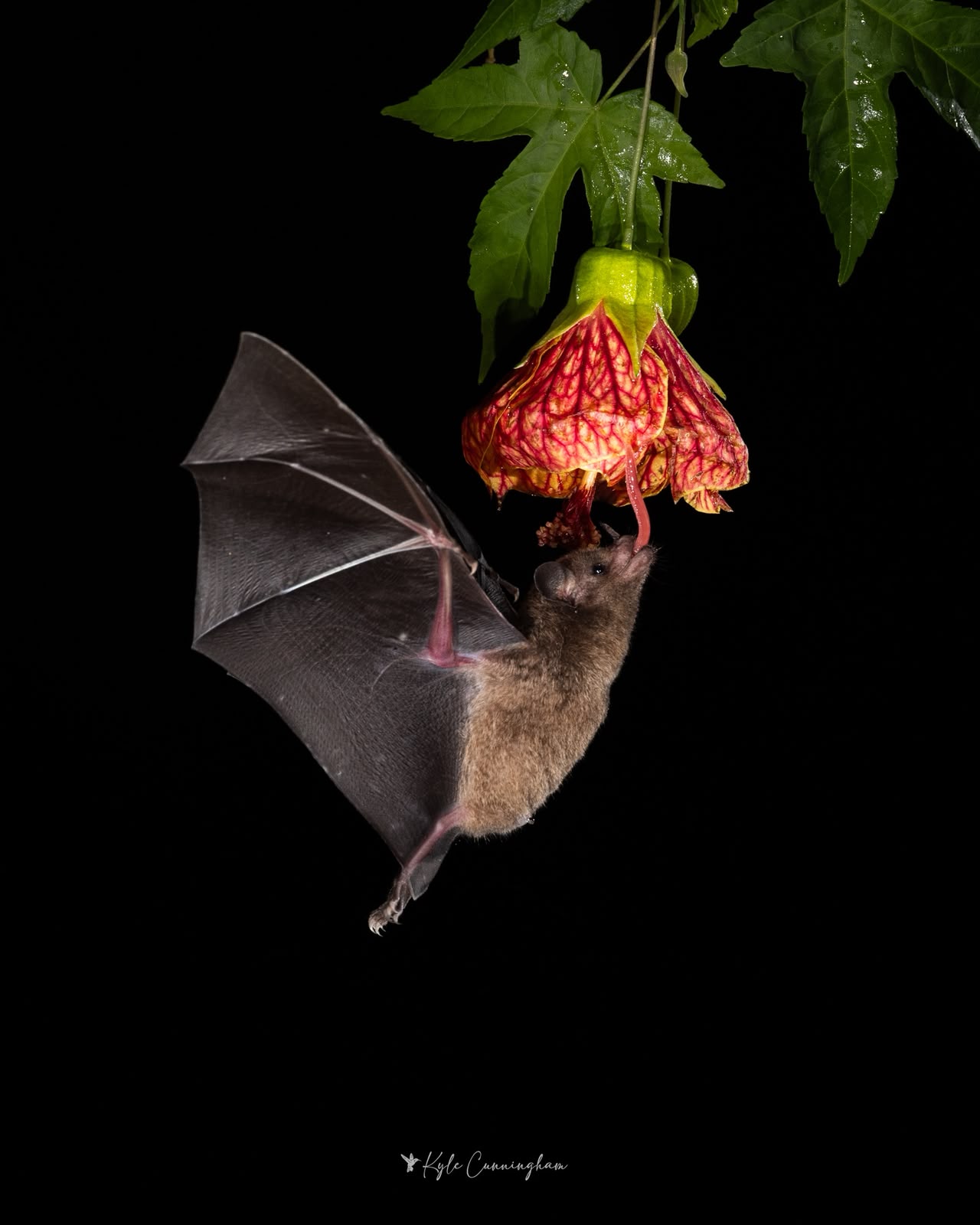
Professional 3-flash rig captures nectar-feeding bats mid-hover at Abutilon and balsa flowers.
3 hours
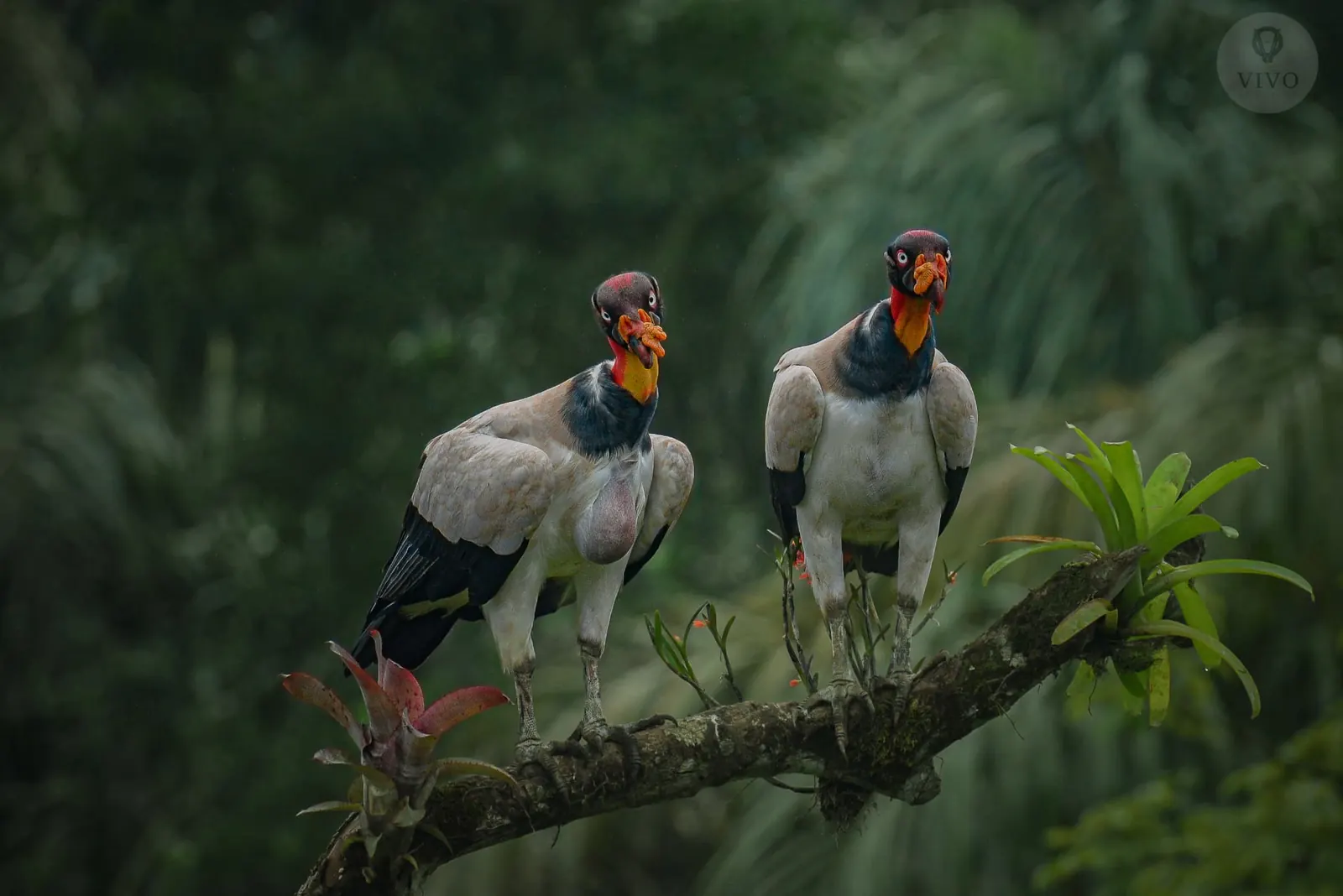
Hide and feeder work is scheduled by session rather than by tour, so the day is built out of blocks you reserve in advance.
Photographers usually pair these sessions with a night in the zone and a road leg from La Fortuna — quoted on our Transfers page. See transfer options
Photographic stations, ordered by how much control the setup gives you:
From Arenal & La Fortuna to Boca Tapada
Cross-zone photography experiences. These depart from another base and travel here for the day — they are not local departures.