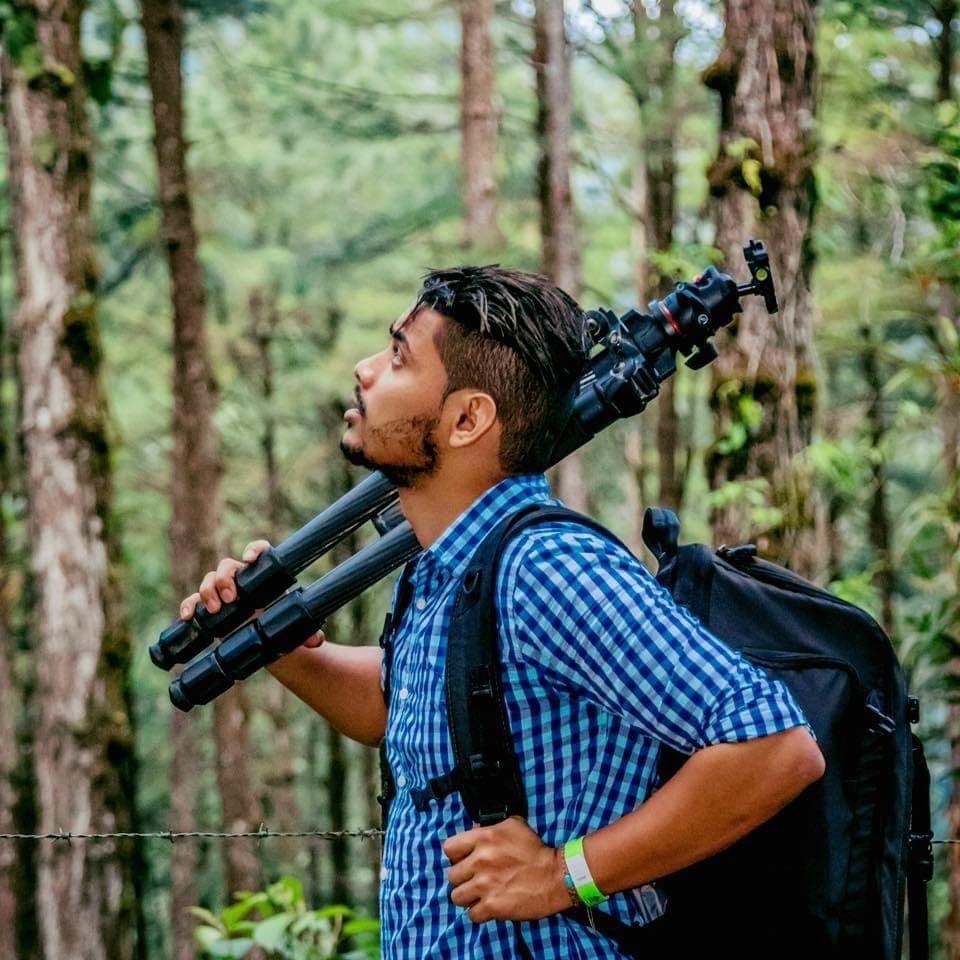
I've been guiding birding tours in La Fortuna since 2015. In that time, I've recorded over 420 species within a 90-minute radius of town — and I'm still adding new ones. La Fortuna sits at the intersection of Caribbean lowland forest, mid-elevation cloud forest, and open wetland: three distinct ecosystems that together make it one of the richest birding zones in Central America.
This guide covers the birds I'm most asked about, the hotspots I actually take clients to, and the practical information that tour aggregators never publish. If you're planning a birding trip to Costa Rica, bookmark this page.
6 Must-See Birds in La Fortuna
Species I reliably show clients — with the exact spots and times that work.
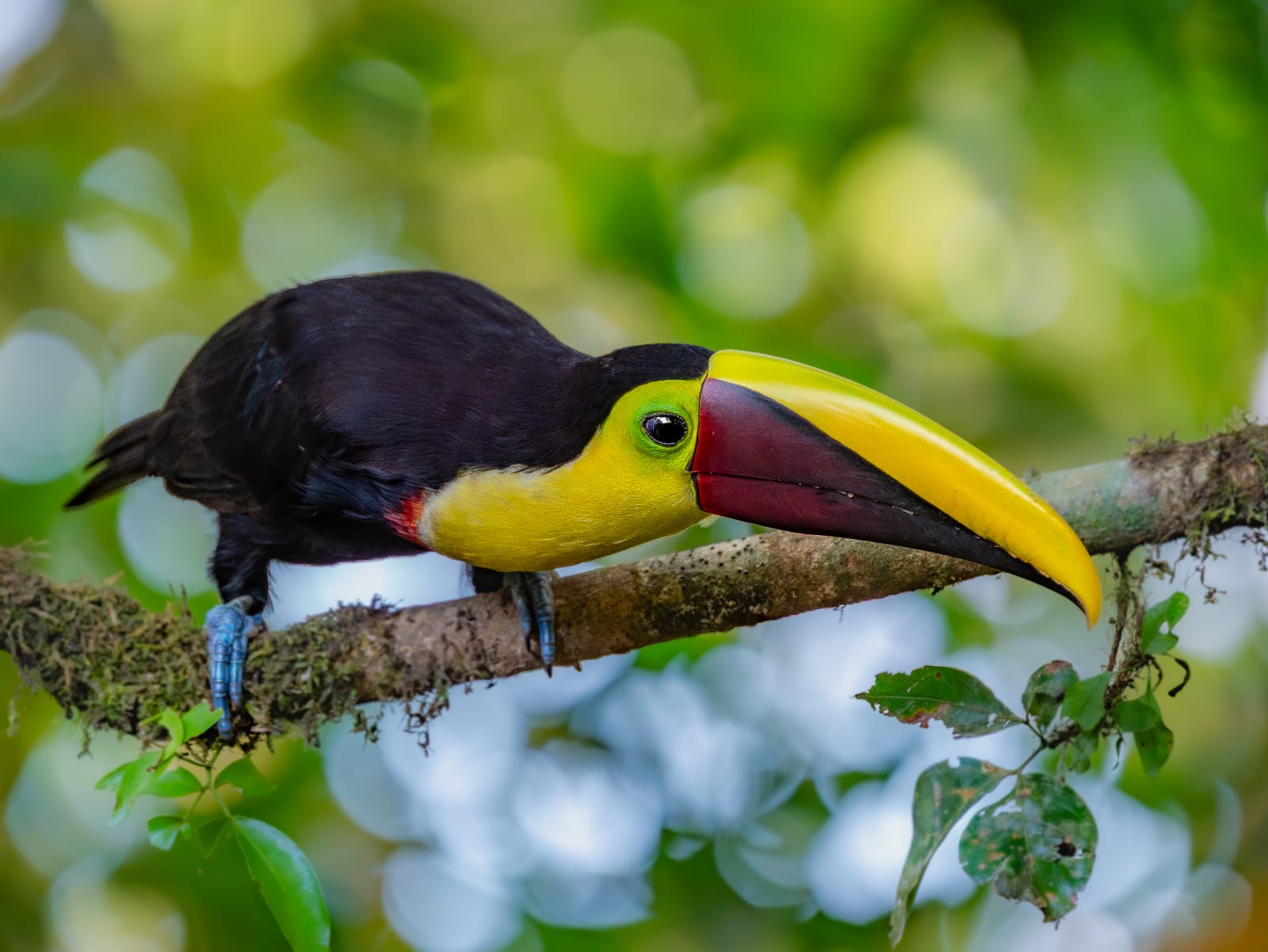
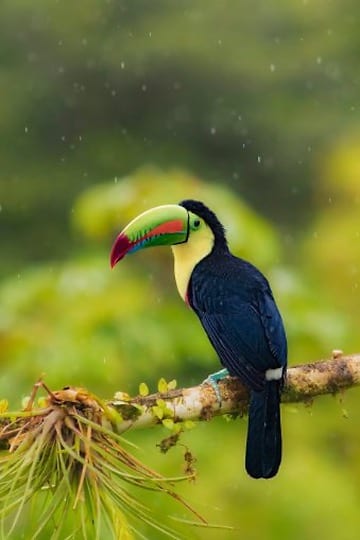
Keel-billed Toucan
Ramphastos sulfuratus
Costa Rica's most iconic bird. Their candy-colored bills are unmistakable and they tend to perch openly at forest edges, making them a reliable first sighting for any birder visiting La Fortuna.
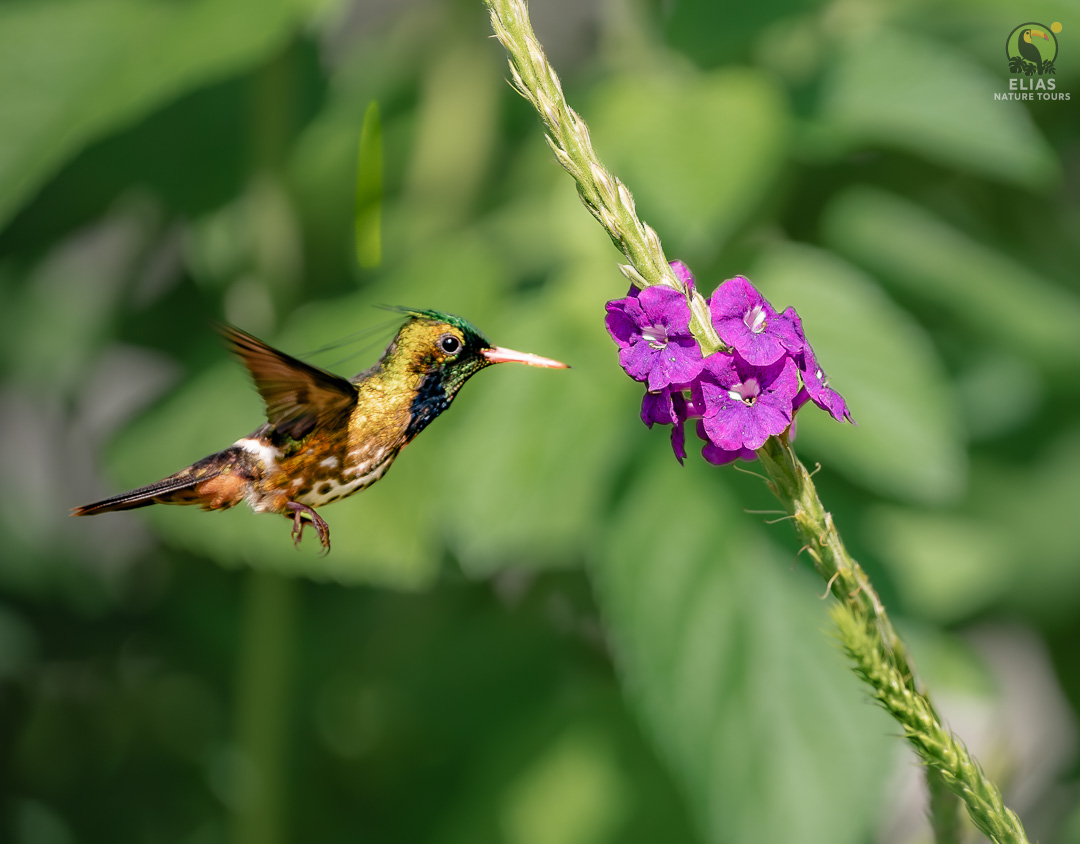
Violet Sabrewing
Campylopterus hemileucurus
The largest hummingbird in Central America and one of the most dramatic. Males are deep violet-blue with white tail spots. They dominate feeders at the Arenal Observatory and reward photographers with spectacular flight shots.
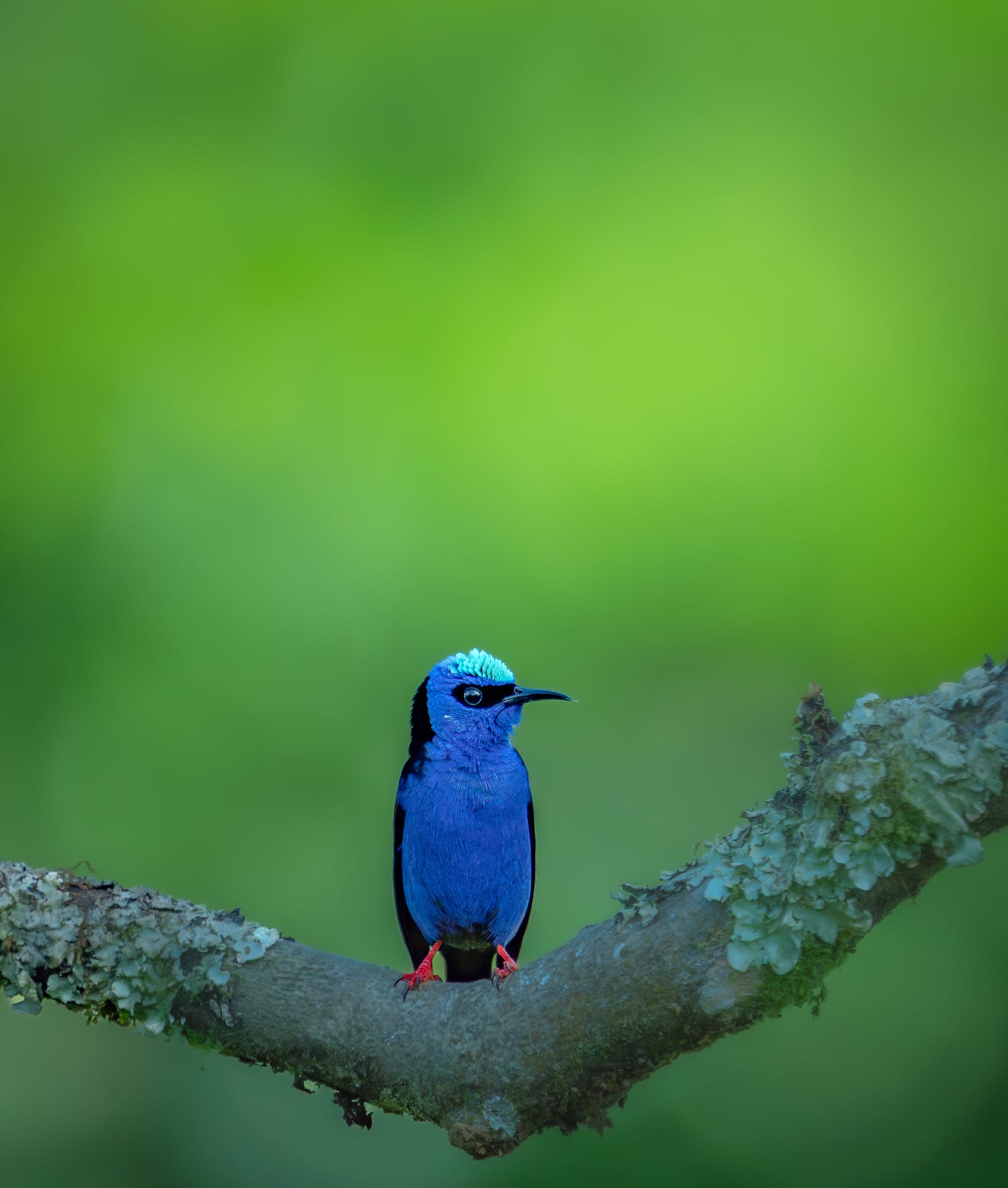
Red-legged Honeycreeper
Cyanerpes cyaneus
A jewel-toned tanager relative that moves fast through the mid-canopy. Despite its electric-blue plumage in males (with the diagnostic bright red legs that give it its English name), it travels in mixed flocks at fruiting trees — a cluster of 5–6 tanager species at one tree is not uncommon in La Fortuna.
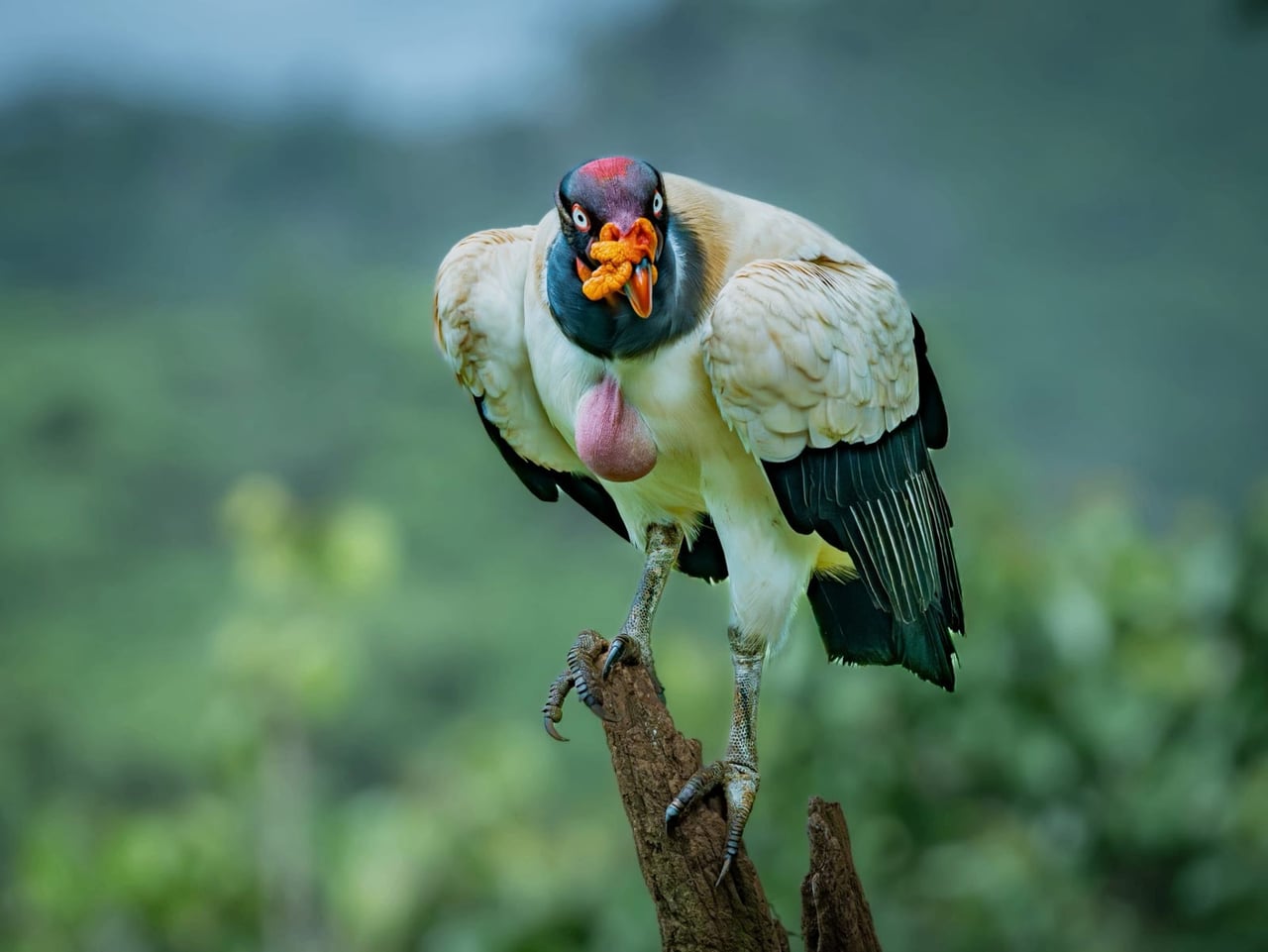
King Vulture
Sarcoramphus papa
One of Costa Rica's most sought-after birds by serious listers. The ornate orange-and-white head is unlike any other bird. We regularly see them soaring on thermals above Boca Tapada and the Observatory ridge. A full-day expedition to Boca Tapada gives the best odds.
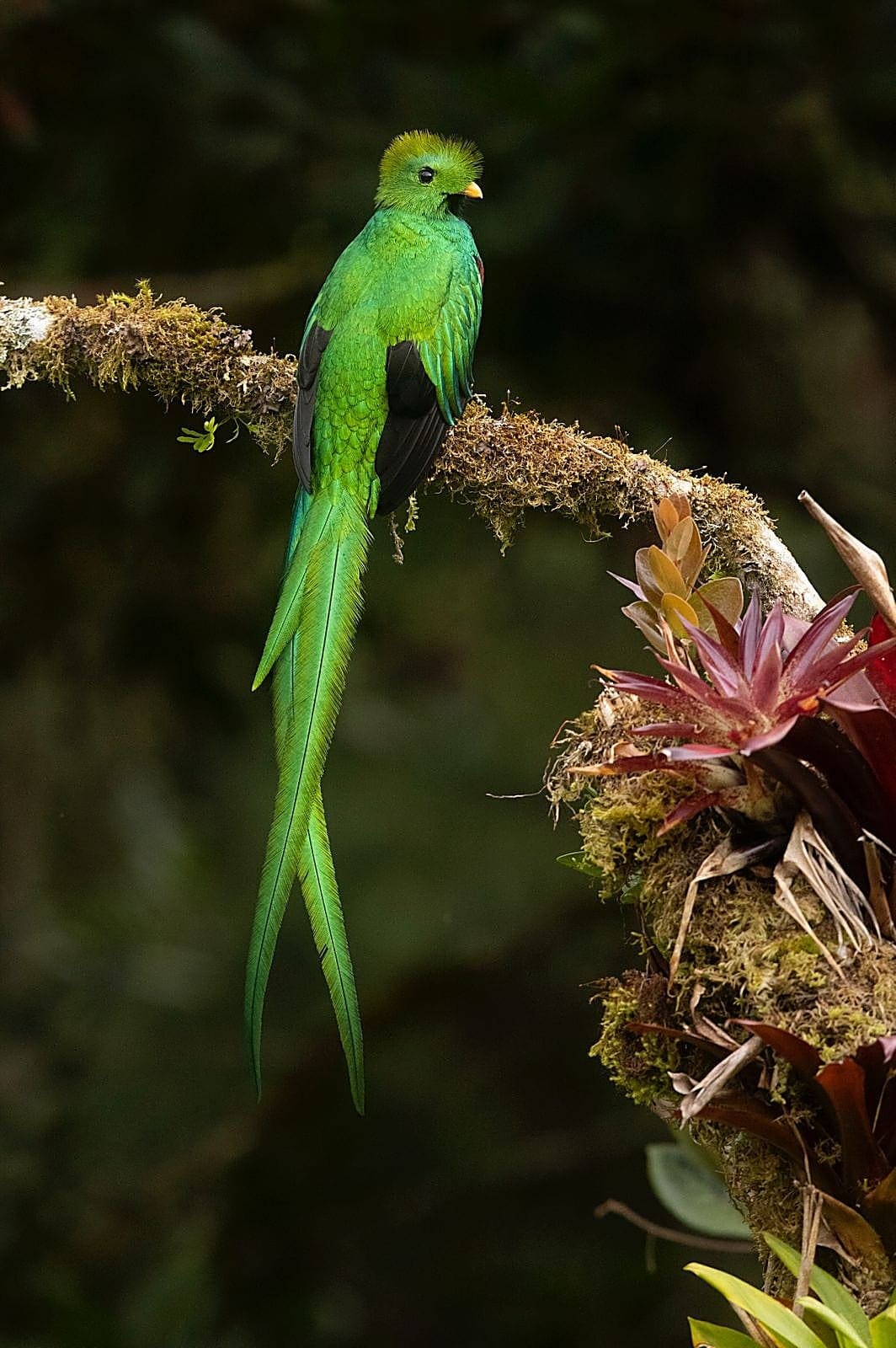
Resplendent Quetzal
Pharomachrus mocinno
The holy grail of neotropical birding. Males have iridescent green tail feathers up to 65 cm long. Not present in La Fortuna itself — they need cloud forest above 1,500 m — but our Valle de los Quetzales full-day tour puts you at a reliable nesting site within 3 hours.
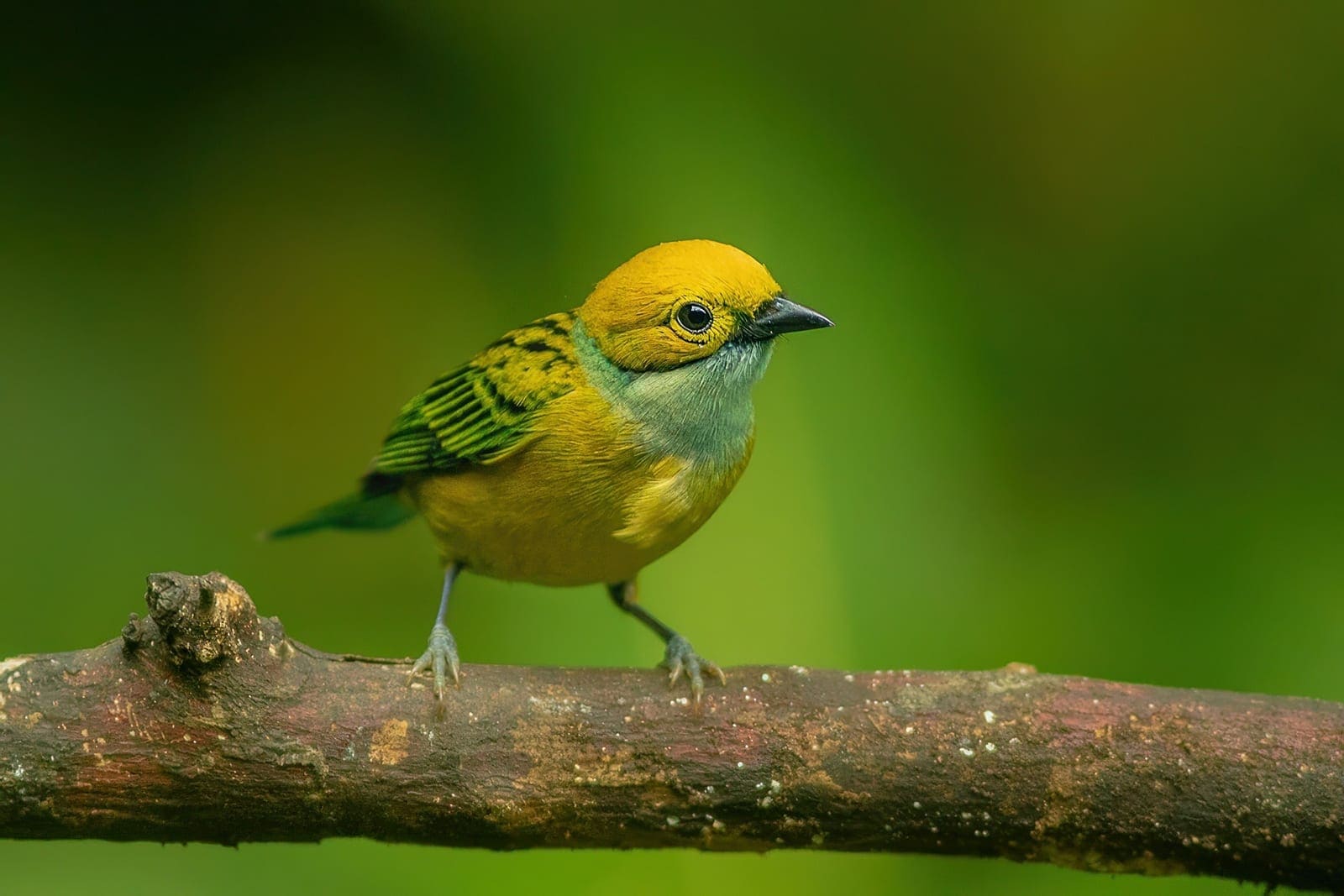
Silver-throated Tanager
Tangara icterocephala
A standout even in a country full of colorful tanagers. The yellow-green plumage and silver throat catch the early morning light beautifully. Usually travels in mixed flocks with other tanagers — finding one often means finding ten species at once.
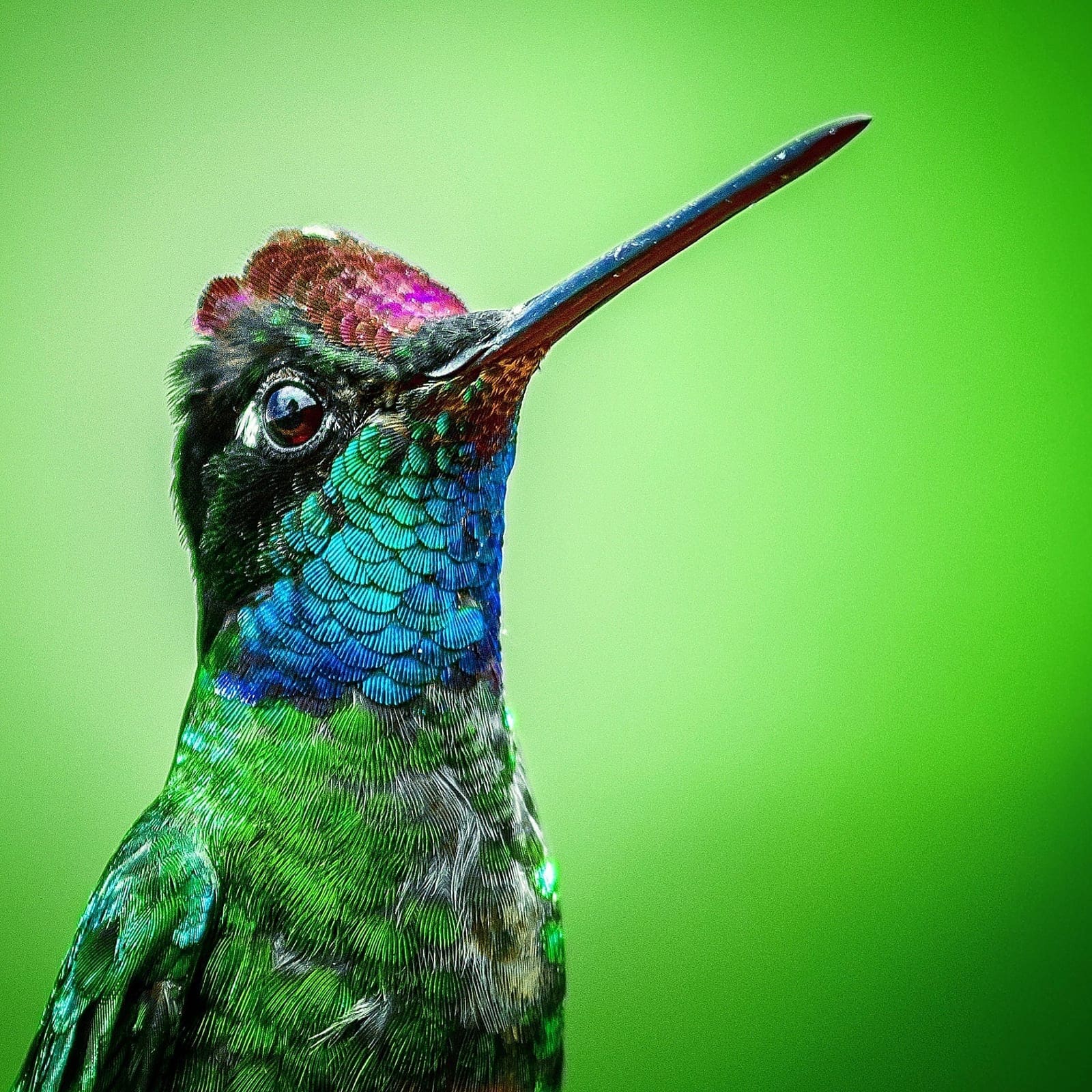
For photographers
We run dedicated multi-flash hummingbird photography sessions at dawn — the same technique used by BBC Wildlife photographers. You leave with frame-ready shots, not travel snapshots. Learn about our photography birding tour →
6 Best Birding Hotspots Near La Fortuna
In order of overall species richness and accessibility. I take clients to all six depending on their goals and fitness level.
Arenal Observatory Lodge & Trails
The single richest birding site near La Fortuna. Private trails at multiple elevations with a natural thermal updraft that brings raptors — including King Vulture — overhead. The lodge garden feeders attract 15+ hummingbird species at peak times.
Book this spot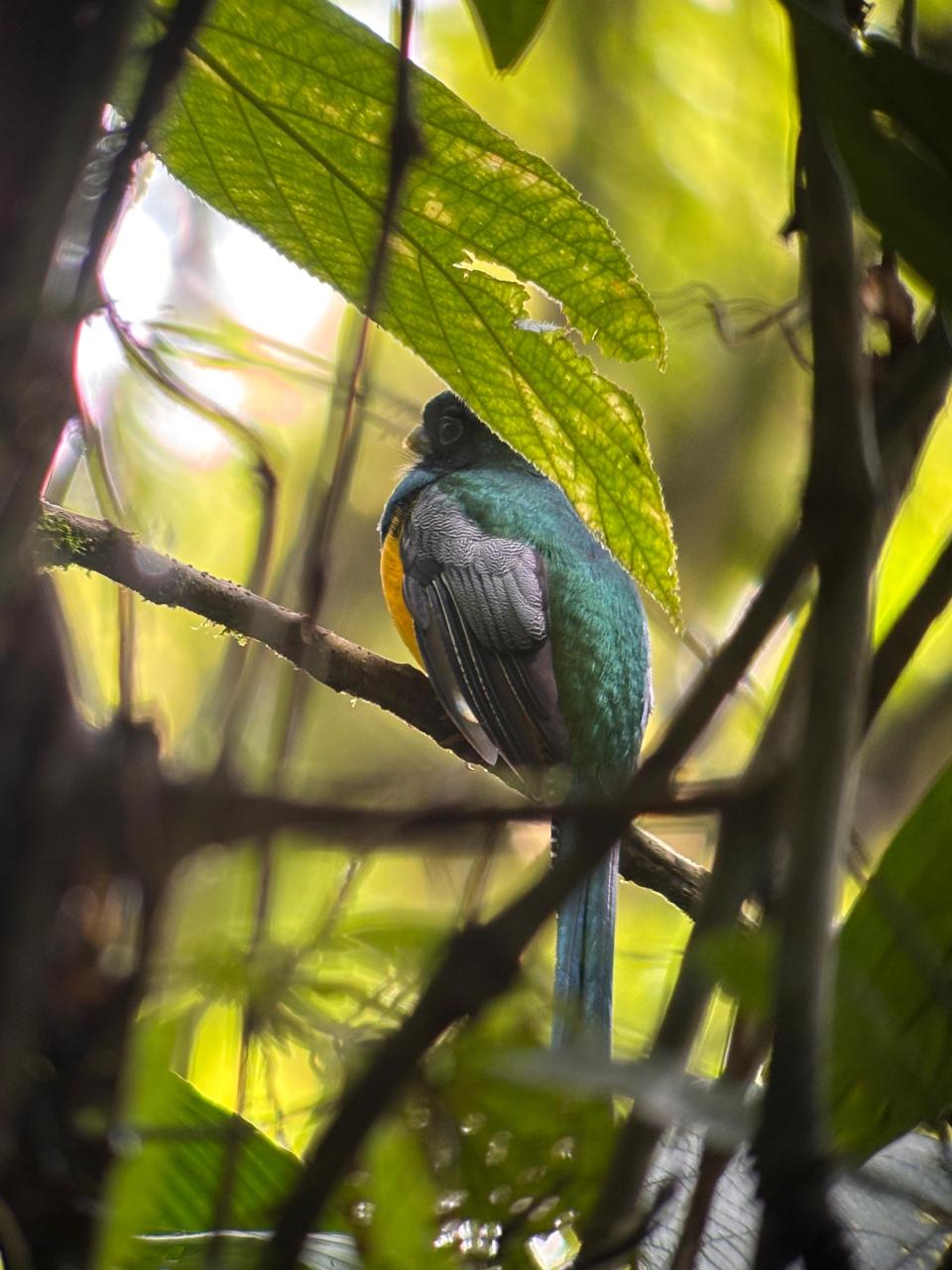
Bogarin Trail
La Fortuna's most underrated spot. A small private reserve bordering a river — the combination of riparian habitat and secondary forest creates exceptional bird diversity in a compact area. Easiest walk for families and photography beginners.
Book this spot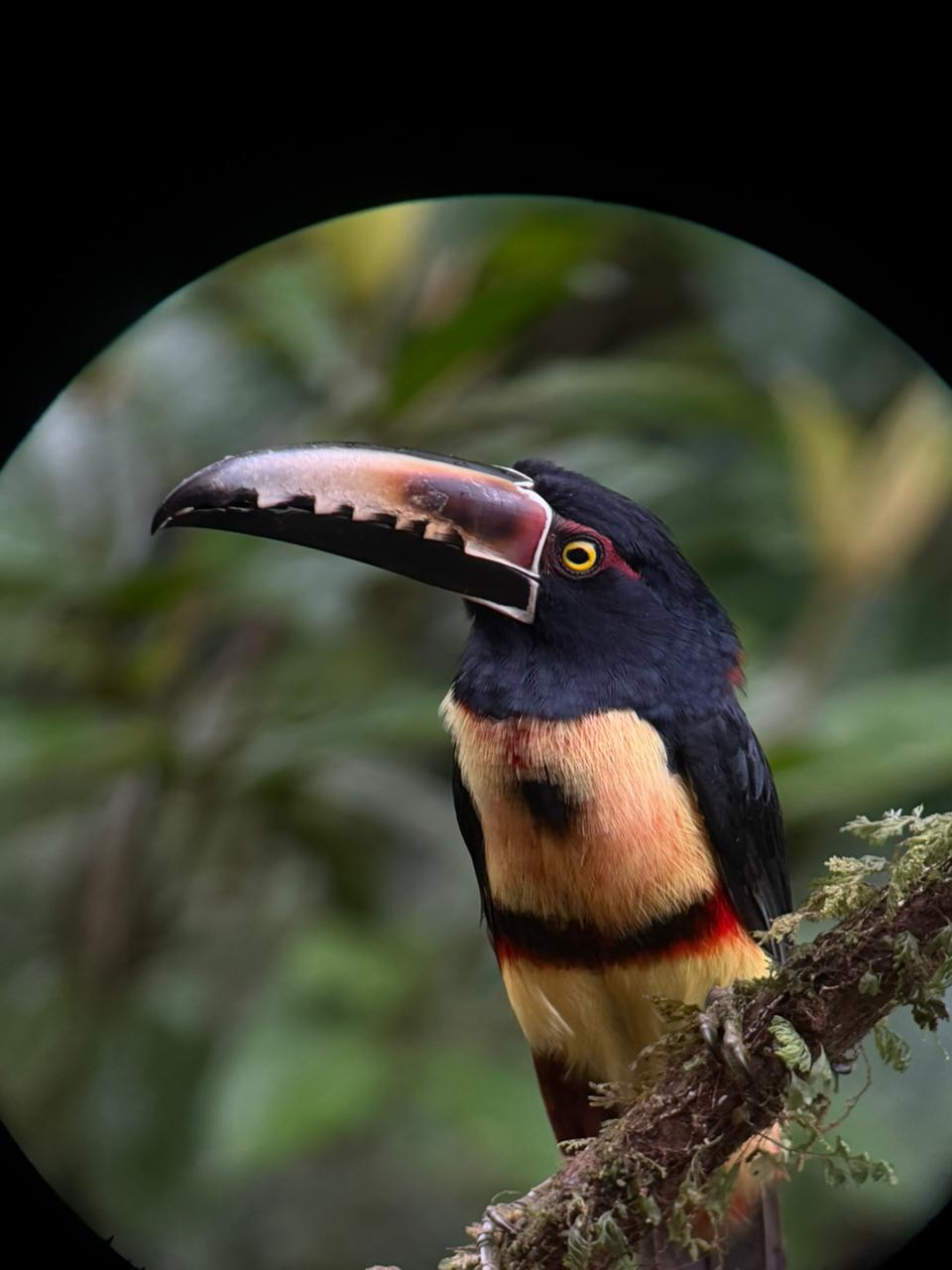
Ecocentro Danaus
A 5-hectare private reserve with wetlands, secondary forest, and gardens. Exceptional for waterbirds and edge species. The only place near La Fortuna where Sunbittern is reliably seen — a spectacular species that's on every serious birder's wish list.
Book this spot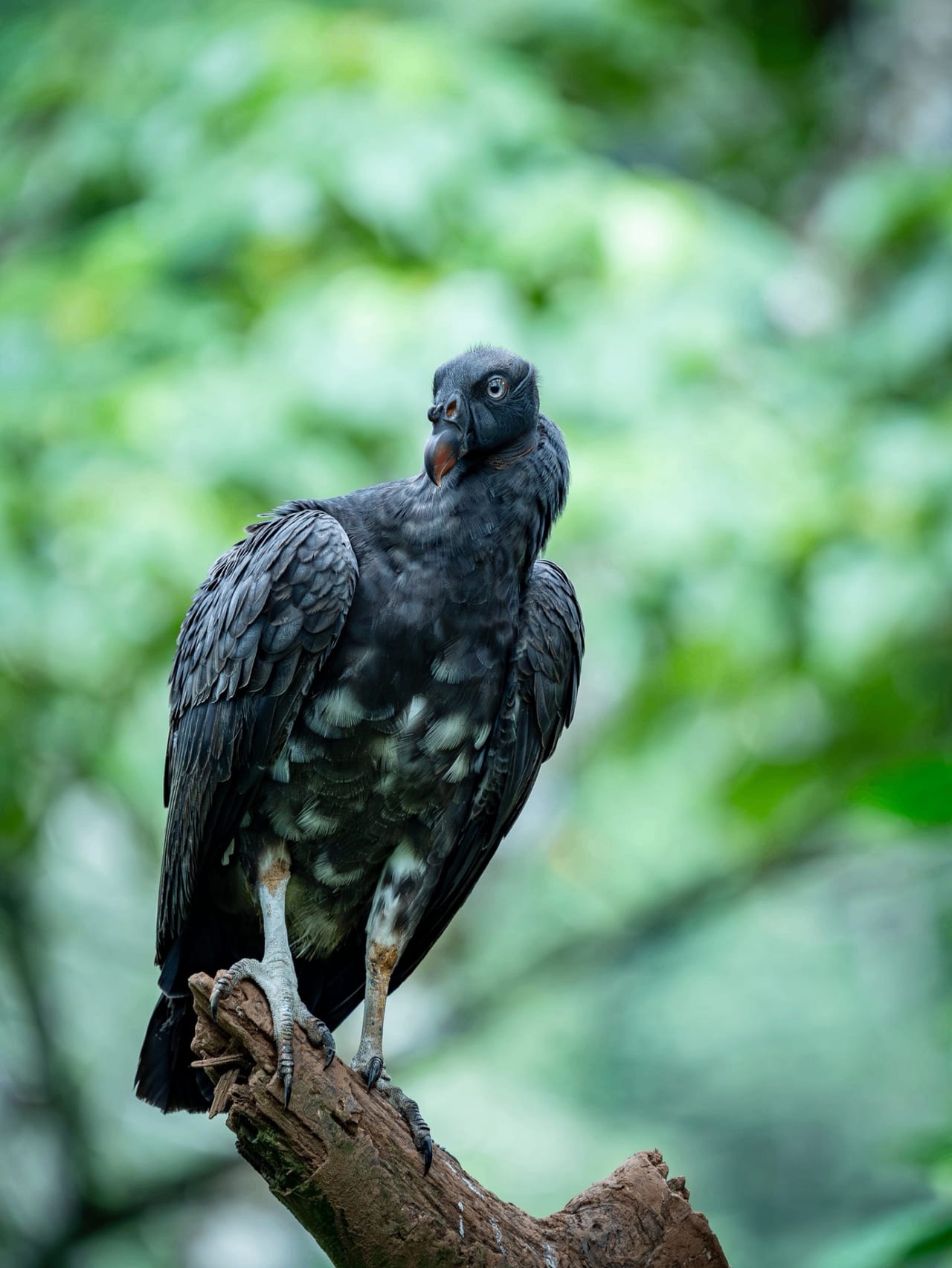
Boca Tapada Expedition
Our most advanced birding destination — a 2.5-hour drive north of La Fortuna into true lowland Caribbean rainforest. This is the stronghold of the Critically Endangered Great Green Macaw. Not for beginners, but an unmatchable experience for serious listers.
Book this spot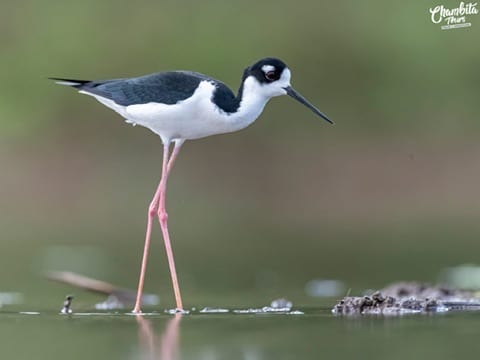
Caño Negro Wildlife Refuge
Costa Rica's top wetland birding site. A 90-minute drive from La Fortuna, this Ramsar wetland is unmatched for wading birds and waterbirds. The Jabiru Stork — tallest flying bird in the Americas — is reliably seen during wet season.
Book this spot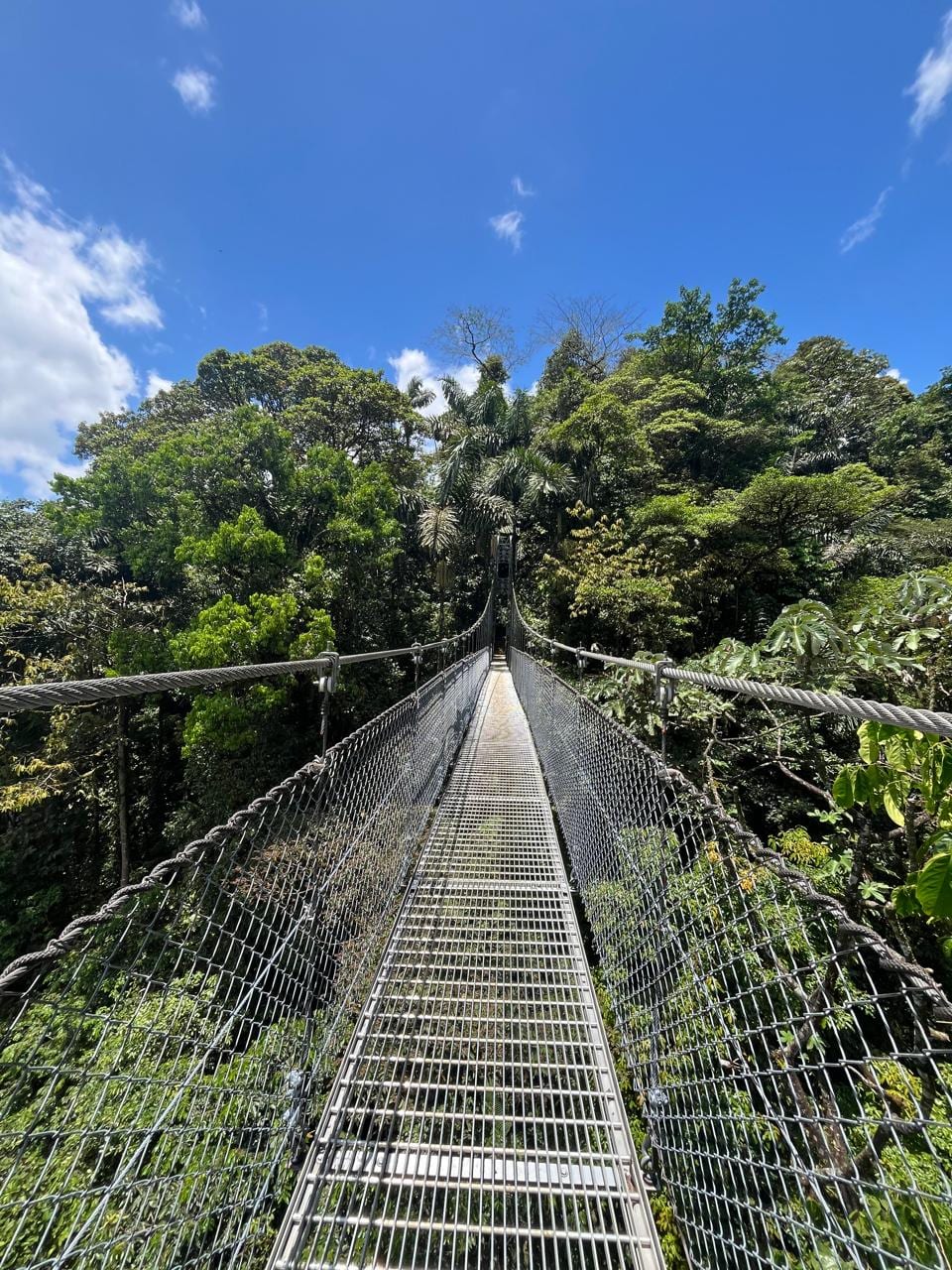
Mistico Hanging Bridges
Walking the canopy on hanging bridges gives you a bird's-eye view — literally. You're at eye level with the mid-canopy where toucans and trogons perch. The Broad-billed Motmot is a near-certainty here, as is the Blue-crowned Motmot.
Book this spot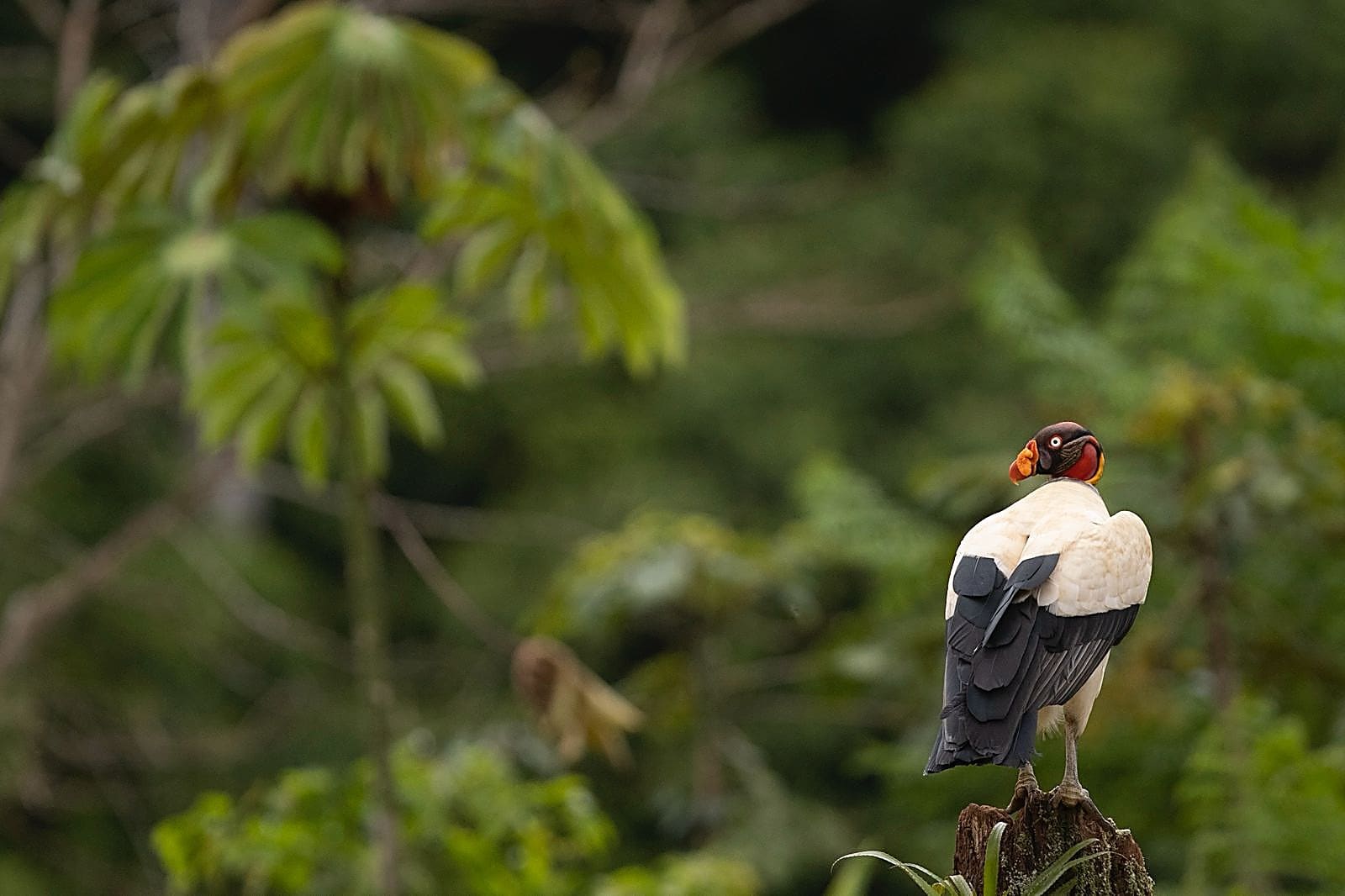
Field note — Boca Tapada
"We were three hours into the trail when the first King Vulture appeared overhead — then four more joined it on the thermal. Two of my clients had been chasing this species for years. The silence when they saw it through the scope was something I won't forget."
— Elias Peña, Naturalist Guide
Best Time to Go Birding in La Fortuna
Dry Season — Nov through Apr
North American migrants arrive: warblers, tanagers, flycatchers, vireos. Resident species are easier to spot with less foliage. Raptors soar on dry-season thermals.
Best for listers aiming for maximum species count.
Green Season — May through Oct
Breeding behavior, nesting activity, colorful mating plumage. Hummingbirds and tanagers at peak activity. Red-eyed tree frogs and glass frogs add spectacle for photographers.
Best for photographers and families. Fewer crowds, lower prices.
Month-by-Month Birding Guide (Arenal / La Fortuna)
Which species are realistically findable each month, and what our guides actually do differently that month. Compiled from our own departure logs around La Fortuna, Boca Tapada and Caño Negro.
Enero
Seca / altaTucán Pico Iris, Tucán de Swainson, reinitas (Chestnut-sided, Tennessee), Gavilán Aludo
El mes con más especies del año. Pickup 5:15 am — la actividad baja después de las 8 am.
Febrero
Seca / altaLapa Verde (anidación en Boca Tapada), Avesol, Pájaro Sombrilla (con suerte)
Inicia la anidación de la Lapa Verde — el mejor mes para el viaje a Boca Tapada.
Marzo
Seca / altaLapa Verde, Zopilote Rey, Coqueta Crestinegra, Jacamar Colirrufo
Mañanas despejadas y termales fuertes: el mejor mes para rapaces y fotos en vuelo.
Abril
TransiciónMigratorias en tránsito al norte, Tucán Pechiamarillo, Tangara Capuchidorada
Las migratorias se van a mitad de mes. Fin de abril trae las primeras lluvias y luz más verde.
Mayo
VerdeLeks de Saltarín Cuelliblanco, colonias de Oropéndola de Montezuma, despliegue de colibríes
Empieza el comportamiento reproductivo. Mejor mes para fotografía de conducta, menos visitantes.
Junio
VerdeRanas de ojos rojos (noche), Garza Cucharón, Rascón Cuellirrufo con polluelos
Mañanas normalmente secas; la lluvia llega después de las 2 pm. Combina caminata AM + tour nocturno.
Julio
VerdeTucanes anidando, Tucancillo Collarejo, Ibis Verde en el río Peñas Blancas
El "veranillo" de mediados de julio. Buena relación precio/clima, mañanas confiables.
Agosto
VerdeAvesol, Garza Agamí (Caño Negro), Halcón Murcielaguero, bandadas de pie de monte
Humedales llenos — los recorridos en bote de Caño Negro son excelentes para garzas y rascones.
Septiembre
VerdePaso del Elanio Tijereta, tangaras residentes, Carpintero Carinegro
Las semanas más lluviosas del lado de Arenal, pero los senderos más tranquilos del año.
Octubre
TransiciónPrimeras reinitas migratorias, ríos de rapaces (Zopilote, Aludo, Gavilán de Swainson)
A mediados de octubre la migración de rapaces mueve decenas de miles de aves en una mañana.
Noviembre
Seca / altaReinitas migratorias ya establecidas, Tangara Esmeralda, Pava Crestada, Pavón Grande
Empieza la estación seca. Los comederos y el borde de bosque del Arenal Observatory están en su mejor momento.
Diciembre
Seca / altaTraslape total de migratorias y residentes: 90–120 especies posibles en dos días
El mes con más demanda — las salidas guiadas se llenan 4–8 semanas antes.
| Mes | Temporada | Especies objetivo | Nota de campo |
|---|---|---|---|
| Enero | Seca / alta | Tucán Pico Iris, Tucán de Swainson, reinitas (Chestnut-sided, Tennessee), Gavilán Aludo | El mes con más especies del año. Pickup 5:15 am — la actividad baja después de las 8 am. |
| Febrero | Seca / alta | Lapa Verde (anidación en Boca Tapada), Avesol, Pájaro Sombrilla (con suerte) | Inicia la anidación de la Lapa Verde — el mejor mes para el viaje a Boca Tapada. |
| Marzo | Seca / alta | Lapa Verde, Zopilote Rey, Coqueta Crestinegra, Jacamar Colirrufo | Mañanas despejadas y termales fuertes: el mejor mes para rapaces y fotos en vuelo. |
| Abril | Transición | Migratorias en tránsito al norte, Tucán Pechiamarillo, Tangara Capuchidorada | Las migratorias se van a mitad de mes. Fin de abril trae las primeras lluvias y luz más verde. |
| Mayo | Verde | Leks de Saltarín Cuelliblanco, colonias de Oropéndola de Montezuma, despliegue de colibríes | Empieza el comportamiento reproductivo. Mejor mes para fotografía de conducta, menos visitantes. |
| Junio | Verde | Ranas de ojos rojos (noche), Garza Cucharón, Rascón Cuellirrufo con polluelos | Mañanas normalmente secas; la lluvia llega después de las 2 pm. Combina caminata AM + tour nocturno. |
| Julio | Verde | Tucanes anidando, Tucancillo Collarejo, Ibis Verde en el río Peñas Blancas | El "veranillo" de mediados de julio. Buena relación precio/clima, mañanas confiables. |
| Agosto | Verde | Avesol, Garza Agamí (Caño Negro), Halcón Murcielaguero, bandadas de pie de monte | Humedales llenos — los recorridos en bote de Caño Negro son excelentes para garzas y rascones. |
| Septiembre | Verde | Paso del Elanio Tijereta, tangaras residentes, Carpintero Carinegro | Las semanas más lluviosas del lado de Arenal, pero los senderos más tranquilos del año. |
| Octubre | Transición | Primeras reinitas migratorias, ríos de rapaces (Zopilote, Aludo, Gavilán de Swainson) | A mediados de octubre la migración de rapaces mueve decenas de miles de aves en una mañana. |
| Noviembre | Seca / alta | Reinitas migratorias ya establecidas, Tangara Esmeralda, Pava Crestada, Pavón Grande | Empieza la estación seca. Los comederos y el borde de bosque del Arenal Observatory están en su mejor momento. |
| Diciembre | Seca / alta | Traslape total de migratorias y residentes: 90–120 especies posibles en dos días | El mes con más demanda — las salidas guiadas se llenan 4–8 semanas antes. |
Birding Hotspot Map by Zone
Filter by zone to see coordinates, driving directions and the species each site is known for. Everything inside Arenal / La Fortuna is reachable as a morning trip from town.
Arenal Observatory Lodge
Pavón Grande, Pava Crestada, Coqueta Crestinegra, bandadas mixtas
Puentes Colgantes Mistico
Tucán Pico Iris, Pájaro Sombrilla (raro), trogones
Ecocentro Danaus
Garza Cucharón, caimanes, perezosos, Avesol
Papa's Place Tour Nocturno
Ranas de ojos rojos, martillas, búhos, serpientes (fauna nocturna)
Sendero Bogarín
Perezosos, Rascón Cuellirrufo, Carpintero Carinegro
Sendero Mariola
Perezosos, momotos, mieleros, sendero fácil
Reserva El Silencio
Bosque primario, especialistas de pie de monte, bandadas mixtas
Senderos Arenal 1968
Senderos de lava con colibríes, tangaras, vista al volcán
Catarata La Fortuna
Saltarín Cuelliblanco, Mosquero Negro en el río
Río Peñas Blancas
Avesol, Ibis Verde, Aninga, especialistas ribereños
Maquenque Eco-Lodge
Lapa Verde, Cotinga Nívea, Buco Pío
Laguna del Lagarto Lodge
Bastión de Lapa Verde, árboles frutales, bandadas mixtas
Refugio Caño Negro
Jabirú, Zanate Nicaragüense, Espátula Rosada, Aninga
Humedal Medio Queso
Avetoro Neotropical, Polluela Pechiamarilla, especialistas de humedal
Hotel & Reserva Savegre
Quetzal Resplandeciente, Capulinero Colilargo, Mirlo Negruzco
Paraíso Quetzal Lodge
Quetzal Resplandeciente, Colibrí Garganta de Fuego, Junco Paramero
Cerro de la Muerte (Páramo)
Junco Paramero, Soterrey de Páramo, endémicas de altura
Reserva Bosque Nuboso Monteverde
Quetzal, Pájaro Campana Tricarunculado, Pava Negra
Reserva Curi-Cancha
Quetzal en hábitat mixto, Trogón Vientre Anaranjado
Photographed on Our Own La Fortuna Departures
No stock photography and no AI images — every frame below was taken by our guides on a tour we operate. Media and blogs may reuse these with credit: see the birding media kit.
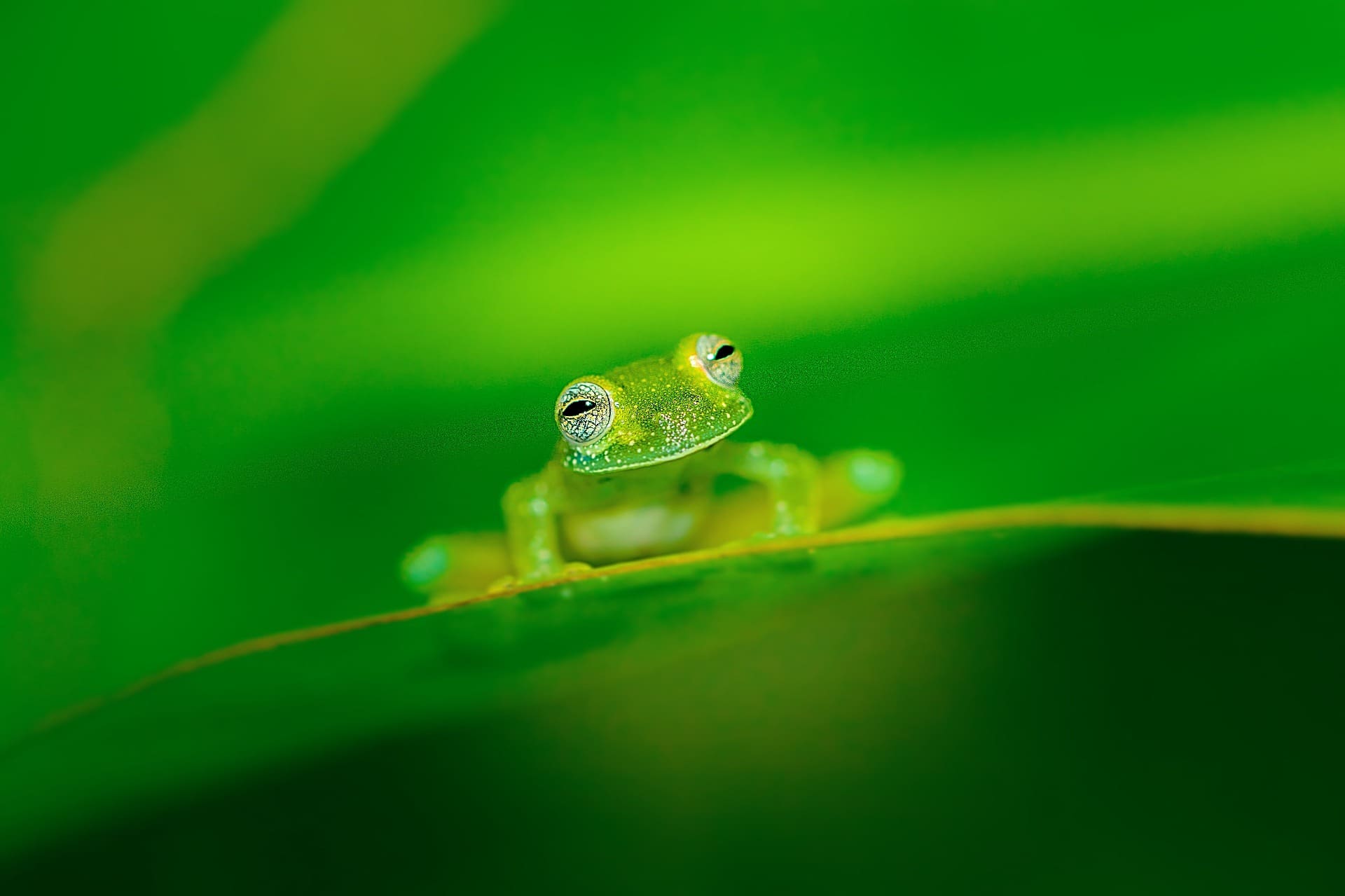
Glass frog on leaf — a green season highlight on our night wildlife tours. © VIVO Expeditions
Frequently Asked Questions
What is the best time of year for birdwatching in La Fortuna?
What time should I start a birding tour in La Fortuna?
How many bird species can I expect to see on a single tour?
Do I need binoculars or will the guide provide equipment?
Is La Fortuna good for bird photography?
Can beginners join birding tours?
Can you see Resplendent Quetzals in La Fortuna or Arenal?
What is the best month to see a Resplendent Quetzal in Costa Rica?
What time of day are quetzals most active?
How likely am I to actually see a quetzal on a day trip from La Fortuna?
Explore all birding tours
Every tour below includes me or Yehudi as your guide — not a subcontracted stranger — plus a high-end spotting scope.